The Benefits of Heat Pump Installation and Maintenance
Living in hot, humid climates like Savannah, Georgia, or coastal South Carolina means your air conditioning system is constantly working overtime. This intense demand often leads to higher energy bills and the constant worry of unexpected breakdowns. We understand the challenge of keeping cool without breaking the bank, and that’s precisely why many homeowners consider AC maintenance plans. Can these plans truly save you money and ensure comfort when temperatures soar? We believe they can.
In this comprehensive guide, we will explore the tangible financial advantages of regular AC maintenance, especially in high-heat, high-humidity environments. We’ll delve into how these plans can significantly reduce your energy costs, prevent costly emergency repairs, extend your unit’s lifespan, and even protect your manufacturer’s warranty. Our goal is to provide clear insights into making an informed decision about your home’s cooling system for years to come.
Before delving into the financial benefits of maintenance, it’s crucial to understand that a heat pump’s efficiency and longevity begin with its initial installation. In hot climates, where systems endure immense stress, proper installation isn’t just a recommendation—it’s a necessity. It sets the baseline for performance, determines long-term operating costs, and influences how effectively your system can handle the relentless demands of summer.
Selecting the Right Sizing During Heat Pump Installation
One of the most critical aspects of installation is ensuring your heat pump is correctly sized for your home. An undersized unit will struggle to cool your space, running constantly and never quite reaching the desired temperature, leading to excessive wear and tear and inflated energy bills. Conversely, an oversized unit will “short-cycle,” turning on and off too frequently. While this might seem like it’s saving energy, it’s actually less efficient, fails to adequately dehumidify the air (a major concern in humid climates), and puts unnecessary strain on components.
A professional installation includes a thorough load calculation, which considers factors like your home’s square footage, insulation levels, window types and orientation, ceiling height, and even the number of occupants. This precise calculation ensures the system’s cooling and heating capacity (measured in BTUs) perfectly matches your home’s unique energy demands.
Matching the system’s SEER2 ratings (Seasonal Energy Efficiency Ratio 2) with appropriate ductwork is also vital. Inadequate or leaky ductwork can negate the efficiency gains of even the highest-rated units, leading to significant energy waste as conditioned air escapes before reaching your living spaces.
Key Considerations for Heat Pump Installation in Coastal Climates
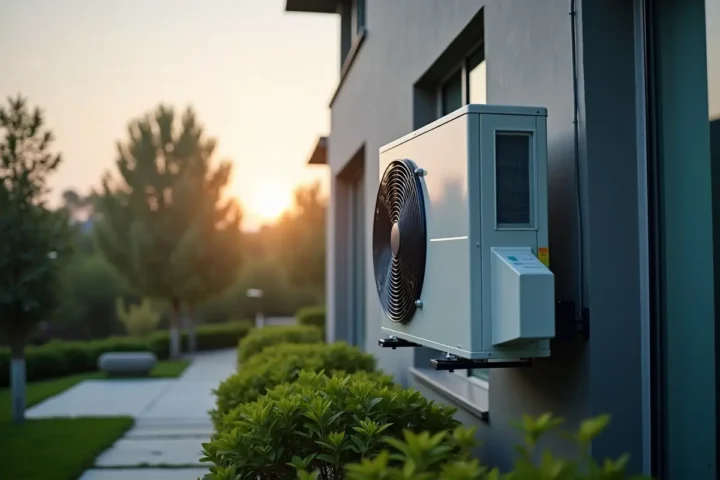
Coastal regions, such as those found in South Carolina, present unique challenges that demand specialized installation practices. High humidity is a constant battle, and an improperly installed system can struggle to manage moisture, leading to uncomfortable indoor environments and potential mold issues. Proper airflow optimization and condensate drainage are paramount to effectively remove humidity from your home.
Furthermore, the presence of salt air in coastal areas can accelerate corrosion on outdoor units. Professional installers in these regions often recommend specific units designed with enhanced corrosion resistance or advise on strategic unit elevation to protect components from ground-level salt spray.
Electrical configuration must also meet local codes and manufacturer standards, ensuring safe and efficient operation, especially given the potential for electrical surges during thunderstorms common in hot, humid seasons. Adhering to these manufacturer standards from day one ensures your heat pump begins its life operating at peak performance and is better equipped to withstand the rigorous demands of its environment.
Financial Advantages of Routine Maintenance Plans in Hot Climates
Once properly installed, the ongoing efficiency and cost-effectiveness of your heat pump depend heavily on regular, professional maintenance. In hot climates, where AC units can run for thousands of hours each season, maintenance plans aren’t just about extending lifespan; they are a direct investment in reducing your monthly operating costs and avoiding unexpected financial burdens.
Reducing Long-Term Operational and Energy Costs
One of the most compelling reasons for an AC maintenance plan is the significant reduction in energy consumption. A well-maintained HVAC system can operate 15% more efficiently than a neglected one. This efficiency gain translates directly into lower electricity bills, which can be substantial when your system is running almost continuously. For example, dirty coils, clogged filters, and low refrigerant levels force your system to work harder to achieve the same cooling effect. This increased effort means higher power draw and greater energy consumption.
Proper HVAC maintenance can cut electricity consumption and lower energy bills up to 38%. Think about that saving over a scorching summer! Routine tune-ups involve coil cleaning, checking refrigerant levels, lubricating moving parts, and ensuring all electrical connections are sound.
These actions restore your system’s efficiency recovery, preventing the gradual decline in performance that often goes unnoticed until your energy bill spikes. A neglected system can see its energy efficiency drop by approximately 5% every single year, meaning that over time, you’re paying significantly more to cool your home than you should be.
Preventing Catastrophic Component Failures
Beyond energy savings, maintenance plans act as a preventative measure against costly repairs. Nearly half of all repair costs come from issues that could have been identified and fixed during a routine maintenance visit.
Technicians performing early diagnostics can spot minor problems—like a loose wire, a struggling capacitor, or a slightly low refrigerant charge—before they escalate into major breakdowns. This proactive approach saves homeowners from the stress and expense of emergency repairs during the peak of summer.
Consider the compressor, often the most expensive component to replace. Overheating or continuous strain due to poor maintenance can lead to its premature failure. Neglected systems are up to 40% more likely to suffer a major component failure within the first ten years.
By ensuring components like the compressor are operating under optimal conditions, maintenance plans significantly reduce the risk of such catastrophic failures. For comprehensive insights into how regular service protects your system and your wallet, exploring resources on certified expertise and maintenance can provide valuable guidance.
Maximizing System Lifespan and Protecting Warranty Coverage
In the relentless heat and humidity of southern climates, your heat pump faces an uphill battle every day. Regular maintenance is not just about short-term savings; it’s about safeguarding your investment for the long haul and ensuring you remain covered by your manufacturer’s warranty.
Combating Extreme Heat and High Humidity Stress
The continuous runtime demanded of AC units in hot climates places immense thermal stress on all components. Without proper maintenance, this stress can significantly shorten the unit’s operational life. Regular checks ensure that refrigerant balance is optimal, preventing the system from overworking.
Technicians also inspect and clear the condensate drain line, a critical task in high-humidity environments. A clogged drain can lead to water backup, potential water damage, and even system shutdown due to safety float switches.
Regular maintenance can extend a unit’s lifespan up to five years longer. This is a substantial return on investment, especially when considering the cost of a full system replacement. A well-maintained system typically lasts between 15 and 18 years, providing consistent comfort and efficiency for nearly two decades.
In contrast, a neglected system often gives out between year 9 and 12, forcing homeowners into premature and often unexpected replacement costs. By proactively addressing wear and tear, maintenance plans ensure your system withstands the rigors of continuous operation, maximizing its useful life.
Protecting Manufacturer Warranties
Many heat pump manufacturers stipulate that annual professional maintenance is a condition for keeping your warranty valid. This is particularly true for larger, more expensive components like the compressor. Should a major part fail, and you cannot provide proof of regular service, the manufacturer may deny your claim, leaving you to bear the full cost of repair or replacement.
Maintenance plans provide documented proof of service, including detailed maintenance logs and invoices. These records serve as your official evidence that the unit has been properly cared for according to manufacturer guidelines.
In August 2026, as systems become more sophisticated, adhering to these warranty guidelines is more important than ever. It’s not just about fixing problems; it’s about preventing them and ensuring that if a defect does occur, you’re fully protected.
Frequently Asked Questions About Heat Pump Care
Homeowners in hot climates often have specific questions about how best to care for their heat pumps to ensure efficiency, reliability, and longevity. Here, we address some of the most common concerns.
How much money does a maintenance plan save on utility bills?
The financial savings from an AC maintenance plan can be quite significant, especially in regions with high cooling demands. As noted earlier, a well-maintained system can operate 15% more efficiently than a neglected one, and proper HVAC maintenance can cut electricity consumption and lower energy bills up to 38%.
These figures represent substantial energy savings over a cooling season. For example, if your average monthly electricity bill for cooling is $200, a 15% efficiency gain could save you $30 per month, or $180 over a six-month cooling season. If you achieve the higher end of the savings spectrum, a 38% reduction could mean saving $76 per month, totaling $456 over six months.
These savings often offset, and sometimes exceed, the annual cost of a maintenance plan, which typically ranges from $175-$350 annually, or $15-30 a month. Beyond direct energy savings, the reduced likelihood of costly emergency repairs further enhances the financial benefit, ensuring that your operating efficiency remains high and your reduced power consumption is consistent.
Does skipping annual service void manufacturer warranties?
In many cases, yes. Manufacturer warranties are designed to cover defects in materials or workmanship, not issues arising from neglect or improper maintenance. Most reputable HVAC manufacturers explicitly state in their warranty guidelines that regular, professional maintenance is required to keep the warranty valid.
This is particularly true for the most expensive components, like the compressor or heat exchanger. If a major component fails and you haven’t had your system serviced annually by a certified technician, the manufacturer may deny your warranty claim.
This means you would be responsible for the full cost of the part and labor, which can be thousands of dollars. An AC maintenance plan provides the necessary annual documentation and proof of service, ensuring that your claim requirements are met and your investment remains protected.
How often should a heat pump be serviced in southern regions?
Given the extreme demands placed on heat pumps in hot, humid southern regions, bi-annual maintenance is strongly recommended. This typically involves one service visit in the spring, before the peak cooling season begins, and another in the fall, to prepare the system for heating and ensure it’s ready for the cooler months (even if they are mild).
The spring check-up focuses on cooling components, ensuring everything is clean, charged, and calibrated for optimal performance during peak heat preparation. The fall visit addresses heating components and checks overall system health, ensuring a smooth transition between modes. This twice-yearly approach ensures that your system is always operating at its best, maximizing efficiency, extending its lifespan, and providing reliable comfort year-round.
Conclusion
In climates where the sun beats down relentlessly and humidity hangs heavy in the air, your heat pump is more than just an appliance—it’s a critical component of your home’s comfort and your family’s well-being. The question “Do AC maintenance plans save money in hot climates?” can be definitively answered with a resounding yes.
From the moment of proper installation, which lays the groundwork for efficiency, to the ongoing benefits of regular tune-ups, a comprehensive maintenance plan offers tangible financial advantages. We’ve seen how these plans dramatically reduce your energy bills by keeping your system operating at peak efficiency, potentially cutting electricity consumption by up to 38%.
They act as a crucial preventative measure, identifying minor issues before they escalate into costly catastrophic component failures, saving you from unexpected repair expenses that nearly half of all homeowners face due to neglected systems.
Furthermore, maintenance plans are instrumental in maximizing your system’s lifespan, extending it by up to five years longer than neglected units, and ensuring your valuable manufacturer’s warranty remains intact. In the face of continuous runtime, thermal stress, and high humidity, routine care is the shield that protects your investment.
Investing in an AC maintenance plan is not an expense; it’s a strategic decision for any homeowner in a hot, humid climate. It guarantees sustained efficiency, protects against unforeseen costs, extends the life of your equipment, and ultimately provides peace of mind that your home will remain a cool, comfortable sanctuary, even when temperatures outside are at their most extreme.