Signs It’s Time for Water Heater Repair or Replacement
When your water heater begins to show signs of distress, it’s crucial to pay attention. Ignoring these indicators can lead to more significant problems, including costly water damage or complete system failure. Proactive diagnosis can save you time, money, and a lot of headaches.
One of the most common complaints homeowners experience is unusual noises emanating from their water heater. A rumbling or popping sound often signals the presence of sediment buildup at the bottom of the tank. As the heating element or burner heats the water, these sediment layers trap small pockets of water, which then boil and burst, creating the noise. This not only reduces efficiency but can also damage the tank lining over time.
Another clear warning sign is discolored water. If you notice rusty or brownish water coming from your hot water taps, it’s a strong indication that the inside of your water heater tank is corroding. This internal rust can compromise the tank’s integrity, leading to leaks. Similarly, any visible leaks or puddles around the base of the unit demand immediate attention. A leak from the tank body itself almost always means the tank has failed and requires replacement.
Fluctuations in water pressure, especially when using hot water, can also point to issues within the water heater, such as sediment accumulation restricting flow or a failing pressure relief valve. For timely intervention and expert assessment of these critical issues, considering professional assistance for your water heater repair needs can prevent minor problems from escalating into major emergencies.
Diagnosing Minor Functional Issues
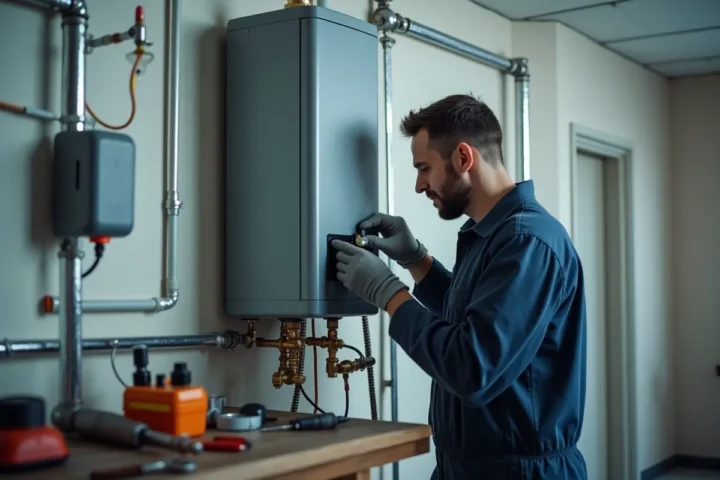
Not all water heater problems necessitate a full replacement. Many common issues can be resolved with targeted repairs. For instance, if your water isn’t getting hot enough, it could be due to a faulty thermostat that needs recalibration or replacement. Electric water heaters might suffer from a failing heating element, while gas models could have a pilot light that frequently goes out, indicating a problem with the thermocouple.
Mineral scale buildup on heating elements can also reduce efficiency and hot water output. Additionally, a malfunctioning pressure relief valve (T&P valve) can cause pressure fluctuations or small leaks, which, while minor, are important to address for safety. These components are generally replaceable, offering a cost-effective solution if the main tank is still in good condition.
Identifying Irreversible Structural Damage
While minor issues can often be repaired, some problems signal that your water heater is beyond saving. The most critical sign is a leak directly from the tank body. This is typically caused by internal corrosion, leading to tank base fractures or severe oxidation. Once the tank itself is compromised, repairs are generally not feasible or safe.
Bottom leaks, in particular, indicate a complete failure of the tank’s lining and structural integrity. Continuing to operate a water heater with such damage risks a catastrophic rupture, which can cause extensive flooding and property damage. In these scenarios, replacement is the only viable and safe option.
Navigating Water Heater Repair and Installation Options
When faced with a failing water heater, understanding your options for repair or installation is crucial. Modern technology offers a variety of choices beyond the traditional tank, each with its own advantages regarding fuel sources, space constraints, household demand, recovery rates, and energy efficiency.
Conventional Storage Units and On-Demand Upgrades
Conventional storage tank water heaters, powered by gas or electricity, remain a popular choice. They store and continuously heat a reservoir of water, providing a ready supply. When selecting a tank unit, the “first-hour rating” (FHR) is a key metric, indicating how much hot water the heater can deliver in an hour, which helps match the unit to your household’s peak demand. While generally more affordable upfront, they can be less energy-efficient due to standby heat loss—the energy expended to keep water hot even when not in use.
For those seeking greater efficiency and a continuous supply of hot water, tankless water heaters (also known as on-demand water heaters) are an excellent alternative. These units heat water only when needed, eliminating standby heat loss and offering virtually unlimited hot water. Their compact footprint also saves valuable space. However, tankless installations often require upgrades to gas lines or electrical systems, as well as specialized venting, which can increase initial installation costs.
Energy-Efficient Hybrid Heat Pump Systems
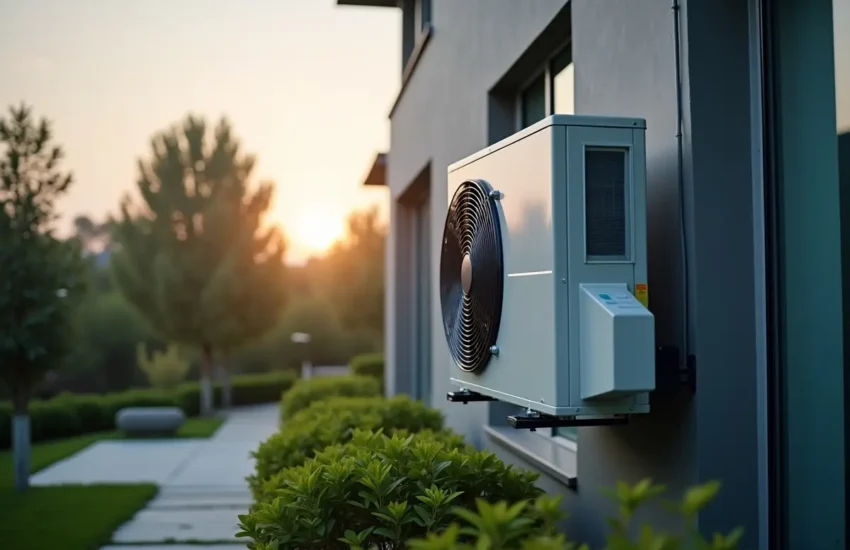
A third, increasingly popular option, especially for homeowners focused on energy conservation, is the hybrid heat pump water heater. These units combine a traditional electric storage tank with a heat pump that extracts heat from the ambient air to warm the water. This process makes them significantly more energy-efficient than standard electric resistance water heaters, often boasting Uniform Energy Factor (UEF) ratings 3 to 4 times higher.
While their upfront cost can be higher, the long-term utility savings are substantial. Heat pump water heaters typically require installation in areas with adequate air volume, such as basements, garages, or utility rooms, and perform best in environments that remain above 40°F year-round.
Code Compliance and Professional Installation Standards
Regardless of the type of water heater you choose, ensuring proper installation according to local building codes is paramount for safety, efficiency, and warranty validation. Municipal permits are almost always required for water heater replacement or installation, ensuring that the work adheres to established safety and plumbing standards.
Key code requirements often include the installation of an expansion tank, especially in closed-loop water systems (those with backflow preventers or pressure-reducing valves). An expansion tank manages thermal expansion, preventing excessive pressure buildup that can damage the water heater and plumbing system. Seismic strapping is also a common requirement in earthquake-prone areas to secure the unit.
Additionally, proper venting for gas units and correctly sized temperature and pressure (T&P) relief valve lines are critical safety components designed to prevent dangerous pressure buildups.
Workflow and Timeline for Water Heater Repair and Installation
A professional water heater installation typically follows a structured process. It begins with a thorough site assessment to evaluate the existing setup, fuel source, electrical capacity, and venting requirements. The old unit is then safely disconnected, drained, and removed. The new water heater is installed, involving precise plumbing connections, gas line or electrical hookups, and proper venting.
Once installed, the system undergoes a comprehensive commissioning process, including filling the tank, purging air from the lines, testing for leaks, calibrating thermostats, and verifying all safety features. A standard tank replacement usually takes between 2 to 5 hours, while tankless or hybrid installations can take 4 to 8 hours due to the additional complexities of venting, electrical, or gas line modifications.
Selecting Qualified and Licensed Installers
Choosing the right professional for your water heater repair or installation is as important as selecting the right unit. We strongly recommend hiring licensed and insured plumbers. Licensing ensures that the technicians have met rigorous training and examination standards, possessing the necessary plumbing knowledge and skills.
Liability insurance protects you from any damage or accidents that may occur during the installation process. Qualified installers will have an in-depth understanding of local building codes, ensuring your installation is compliant and safe. They should also possess specific certifications for working with gas lines, electrical systems, and combustion venting, guaranteeing a safe and efficient setup.
Sizing, Cost Factors, and Financial Incentives
Properly sizing your water heater is essential for meeting your household’s hot water demands efficiently. This involves considering the number of occupants, the number of bathrooms, and your peak hot water usage times.
For traditional tank units, sizing often depends on gallon capacity, with recommendations like 30-40 gallons for 1-2 people, 40-50 gallons for 2-4 people, and 65-80 gallons for larger households. Tankless units are sized based on their flow rate (gallons per minute, or GPM) to ensure they can deliver enough hot water for simultaneous uses.
Here are some of the major cost drivers during water heater installation:
- Equipment pricing: The cost of the water heater itself varies significantly by type (tank, tankless, hybrid) and brand.
- Labor rates: Professional installation services include the cost of skilled technicians.
- Venting retrofits: Upgrading or installing new venting systems, especially for tankless units, can add to the cost.
- Electrical upgrades: Some electric or tankless units may require dedicated circuits or electrical panel modifications.
- Gas line modifications: Converting to a gas unit or installing a high-demand tankless gas heater may necessitate gas line upgrades.
- Permit fees: Local municipal permits are a mandatory cost.
- Disposal of old unit: Hauling away and proper disposal of your old water heater.
- Ancillary components: Expansion tanks, drain pans, seismic straps, and new shut-off valves.
Budgeting for Water Heater Repair and Installation
While we cannot provide specific pricing, understanding the factors that influence the overall cost will help you budget effectively. Equipment pricing is a primary driver, with high-efficiency units like heat pump hybrids or tankless systems typically having a higher upfront cost than conventional tanks. Labor rates for professional installation account for the complexity of the job, including any necessary venting retrofits, electrical upgrades, or gas line modifications.
These infrastructure changes can significantly impact the total cost, particularly when converting from one fuel type to another or upgrading to a tankless system in a home that previously had a tank. Always obtain a detailed, upfront quote from your installer that itemizes all these potential costs.
Lifespan Expectations, Rebates, and Tax Credits
The lifespan of your water heater is an important consideration for long-term planning. Traditional tank-style water heaters generally last between 8 and 12 years, while tankless water heaters can last 15 to 20+ years with proper maintenance. Heat pump (hybrid) water heaters also offer excellent longevity.
To offset the initial investment, especially for high-efficiency models, homeowners should explore available financial incentives. Federal tax credits, such as those often available for ENERGY STAR certified heat pump water heaters, can provide significant savings. Many local utility companies also offer rebates for installing energy-efficient water heaters, recognizing their contribution to energy conservation. Researching these options can improve the long-term return on investment (ROI) and make upgrading to a more efficient system more accessible.
Preventative Maintenance to Extend Equipment Lifespan
Regular maintenance is the most effective way to extend the life of your water heater, improve its efficiency, and prevent unexpected breakdowns. Just like any other major appliance, a little proactive care goes a long way.
One of the most critical maintenance tasks is annual flushing of the tank. Over time, sediment and mineral deposits accumulate at the bottom of the tank, reducing heating efficiency and potentially leading to corrosion. Flushing helps remove these deposits, keeping your unit running smoothly. Another vital component to inspect is the sacrificial anode rod. This rod is designed to corrode before the steel tank does, protecting the tank’s interior. It should be inspected every few years and replaced when significantly depleted.
Maintaining your water heater’s temperature setting at 120°F is generally recommended for both safety (to prevent scalding) and efficiency. Higher temperatures can accelerate mineral buildup and increase energy consumption. Additionally, some professionals utilize thermal imaging inspections to detect potential issues like hidden leaks or uneven heating patterns before they become major problems. By adhering to a consistent preventative maintenance schedule, you can significantly extend your water heater’s lifespan and ensure a reliable supply of hot water for years to come.
Frequently Asked Questions About Water Heating Systems
How long does a standard water heater installation take?
The duration of a water heater installation can vary depending on the type of unit and the complexity of the job. A standard tank water heater replacement typically takes between 2 to 5 hours. This includes disconnecting and removing the old unit, installing the new one, making all necessary plumbing and fuel connections, and performing initial safety tests.
Tankless water heater installations, however, often require more time, usually ranging from 4 to 8 hours. This extended timeline is due to potential plumbing retrofits, such as rerouting water lines, upgrading gas lines, or installing new electrical circuits and specialized venting systems. Thorough safety testing and system commissioning are always part of the process, ensuring everything operates correctly before completion.
Do I need a permit to replace my water heater?
In most municipalities, yes, a permit is required to replace or install a new water heater. This requirement is in place to ensure that the installation adheres to local plumbing and building codes, which are designed to protect homeowners’ safety and the integrity of their homes. Obtaining a permit typically involves an official inspection by a municipal authority once the installation is complete.
This inspection verifies that the work was done correctly and safely. Failing to obtain a necessary permit can lead to issues with home insurance claims in the event of a problem, and it can also create complications when selling your home in the future. Always consult with your professional installer or local building department regarding permit requirements.
How do I know if I should repair or replace my existing unit?
Deciding whether to repair or replace your water heater often comes down to a few key factors: the age of the unit, the cost of the repair, and the overall condition of the system. A general rule of thumb, often called the “50 percent repair rule,” suggests that if a repair costs more than 50% of the price of a new unit, replacement is likely the more economical decision, especially if the unit is approaching or has exceeded its typical lifespan (8-12 years for tank models).
If your water heater is relatively new and the issue is a minor component failure (like a faulty thermostat or heating element), a repair is usually the best course of action. However, if the unit is old, showing signs of internal corrosion (like rusty water or leaks from the tank body), or requires frequent repairs, the replacement threshold has likely been met. A cost-benefit analysis should consider not only the immediate repair cost versus replacement cost but also potential energy savings from a new, more efficient unit and the peace of mind that comes with a reliable system.
Conclusion
Understanding the signs that signal a need for water heater repair or installation is paramount for maintaining comfort, efficiency, and safety in your home. From recognizing the early warning signs like strange noises or discolored water to understanding the different types of water heaters available, being informed empowers you to make the best decisions.
Prioritizing proactive replacement when a unit reaches the end of its lifespan, ensuring proper code-compliant installation, and committing to preventative maintenance are all crucial steps. By taking these measures, you can ensure a reliable supply of hot water, enhance your home’s energy efficiency, and enjoy lasting peace of mind.