Seasonal Home Maintenance Checklist for Busy Homeowners

Busy homeowners do not need a perfect house calendar. They need a short rhythm that catches expensive problems before water, weather, pests, or neglected equipment turn them into weekend emergencies.
This seasonal home maintenance checklist focuses on tasks with clear timing, measurable thresholds, and practical stop points. It is organized by season, with a few “hire or DIY” decisions built in for jobs that affect safety, insurance, or equipment life.
Spring: find winter damage before rain makes it worse
Start outside after the last hard freeze, when daytime temperatures stay above 45°F for several days. Walk the roofline from the ground with binoculars, looking for lifted shingles, missing flashing, sagging gutters, and exposed nail heads. The International Association of Certified Home Inspectors notes that valleys and penetrations are especially vulnerable to leaks because runoff concentrates where roof slopes meet and the roof covering is interrupted, which is why flashing is required at those points.
Clean gutters and downspouts before spring storms become regular. Downspouts should discharge at least 5 feet from the foundation, and soil should slope away from the house about 6 inches over the first 10 feet. If water pools near the foundation for more than 24 hours after normal rain, add soil grading or extend the downspout.
Check exterior caulk around windows, doors, hose bibs, and utility penetrations. Replace cracked or separated caulk when gaps exceed 1/8 inch, because wind-driven rain can enter small openings. Use exterior-rated polyurethane or siliconized acrylic caulk, and avoid sealing weep holes at the bottom of brick veneer or window frames.
Summer: control heat, moisture, and pests
Replace or clean HVAC filters every 30 to 90 days, depending on filter type, pets, dust, and wildfire smoke. The U.S. Department of Energy says a clean filter helps airflow and reduces strain on air-conditioning equipment. If the filter bows inward when the system runs, it is too restrictive or overloaded.
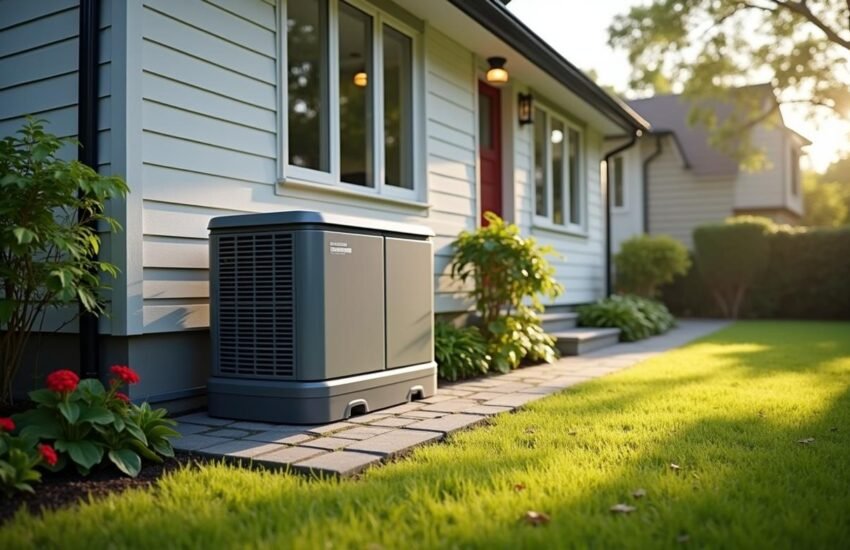
Keep shrubs at least 18 inches away from siding and 2 to 3 feet away from outdoor air-conditioning equipment. The condenser needs open airflow to reject heat. Rinse the exterior coil gently with a garden hose, spraying from the inside outward if you can access it safely after power is shut off at the disconnect.
Look for carpenter ants, termites, and moisture trails near sill plates, deck ledgers, crawl spaces, and garage corners. The Environmental Protection Agency advises reducing pest access by sealing cracks, removing wood-to-soil contact, and fixing moisture sources before relying on pesticides. Store firewood at least 20 feet from the house and 5 inches off the ground.
Test deck safety while the surface is dry. Railings should not move under firm hand pressure, and stair treads should not flex. If a deck ledger has rusted fasteners, missing flashing, or soft wood around the house connection, stop using the deck for gatherings until it is inspected.
Fall: prepare systems before freezing weather
Service the heating system before the first week you expect overnight lows below 40°F. For forced-air furnaces, replace the filter, clear supply and return registers, and confirm the thermostat changes modes correctly. If you have a gas furnace, the flame should appear mostly blue, not yellow or wavering.
Drain and disconnect garden hoses before the first freeze warning. Shut off interior valves for hose bibs when present, then open the outside faucet to let trapped water escape. Insulate exposed pipes in unheated areas with foam sleeves, especially on pipes within 3 feet of crawl-space vents or garage doors.
Clean the fireplace and chimney if soot buildup reaches 1/8 inch, or if you burned a cord of wood since the last cleaning. The Chimney Safety Institute of America identifies creosote buildup as a major chimney-fire cause. Check that the damper moves fully and the cap screen is not clogged with leaves or nesting material.
Change smoke alarm batteries if your model uses replaceable batteries, and test every alarm by pressing the test button. The National Fire Protection Association recommends smoke alarms inside each bedroom, outside sleeping areas, and on every level. Replace alarms that are 10 years old, using the manufacture date on the back.
Winter: protect pipes, air quality, and emergency access
Keep indoor temperatures at 55°F or higher during travel in freezing climates. Open cabinet doors below sinks on exterior walls when temperatures fall below 20°F, especially in older homes with little wall insulation. Letting a faucet drip can help during extreme cold, but fixing insulation gaps works better long term.
Watch indoor humidity during long heating cycles. Aim for 30% to 50% relative humidity, measured with a small hygrometer. Condensation on double-pane windows, damp drywall corners, or musty closets can signal poor ventilation, blocked returns, or attic air leaks.
Clear snow from furnace exhaust vents, dryer vents, and heat-pump outdoor units. Maintain at least 18 inches of clearance around sidewall vents after drifting snow. For heat pumps, light frost can be normal, but thick ice that remains after a defrost cycle needs service.
Create a 3-foot working space around the electrical panel, water shutoff, furnace, and main drain cleanout. Label the main water shutoff and test it once a year by turning it fully off and back on. If it does not close completely, a plumber can replace a standard interior shutoff valve for about $250 to $600.
What to do yourself and what to hire out
Some maintenance jobs are safe, visible, and forgiving. Others involve height, combustion, structural connections, or hidden water paths. Busy homeowners should reserve weekend time for high-value visual checks, then hire out tasks where a missed detail can create danger.
Use the table below to choose based on risk, not pride or tool ownership.
| Task | DIY fits when | Hire help when |
|---|---|---|
| Gutter cleaning | The roof edge is reachable from a stable ladder under one story | The house is two stories, the ground slopes, or power lines are nearby |
| HVAC filter and register checks | Filters are accessible and the system runs normally | Short cycling, burning odors, or weak airflow continues after filter replacement |
| Caulking windows and doors | Gaps are under 1/4 inch and surrounding trim is solid | Wood is soft, paint bubbles, or water stains appear inside |
| Chimney cleaning | You are only inspecting from the firebox with a flashlight | Creosote is 1/8 inch thick, tiles are cracked, or smoke enters the room |
| Deck inspection | You are checking boards, rails, and visible fasteners | Ledger flashing is missing, posts are rotted, or the deck moves laterally |
Choose DIY for visible, low-risk maintenance
DIY works best when the task happens at ground level, uses basic hand tools, and has a clear pass-fail result. Replacing HVAC filters, testing alarms, checking drainage slope, and trimming shrubs all fit this group. These jobs usually take 10 to 45 minutes each when supplies are ready.
Keep a small maintenance kit in one labeled bin. Include a flashlight, batteries, exterior caulk, painter’s tape, furnace filters, a hose-end sprayer, work gloves, and a permanent marker. Write filter sizes on the inside of the utility closet door so you do not remove the old filter twice.
Hire for height, combustion, structure, and active leaks
Hire when the work requires roof access, gas adjustments, electrical panel repairs, chimney sweeping, or structural judgment. Also hire when you see repeated staining after rain, because water can travel several feet before showing inside. A professional diagnosis is usually faster than opening random drywall.
Ask contractors for a written scope that names the material, area, and standard being followed. For example, roof flashing repairs should identify the vent, valley, chimney, or wall intersection. For HVAC service, the report should include temperature split, blower condition, condensate drain condition, and any combustion test results for fuel-burning equipment.
A realistic maintenance rhythm for a full calendar
Put four 90-minute blocks on your calendar, one near the start of each season. Use the first hour for inspection and simple tasks, then spend the last 30 minutes ordering filters, scheduling service, or photographing issues. Photos help you compare cracks, stains, and settlement over time.
Pair tasks with things you already do. Check exterior drainage when you bring out patio furniture. Test smoke alarms when clocks change, even if your phone updates automatically. Replace HVAC filters on the first Saturday of heavy heating or cooling months.
Keep one page of notes for the house. Record filter sizes, shutoff locations, appliance model numbers, roof age, water heater age, and the date of the last chimney or HVAC service. If a water heater is over 10 years old, inspect monthly for rust at fittings, dampness in the pan, and rumbling during recovery.