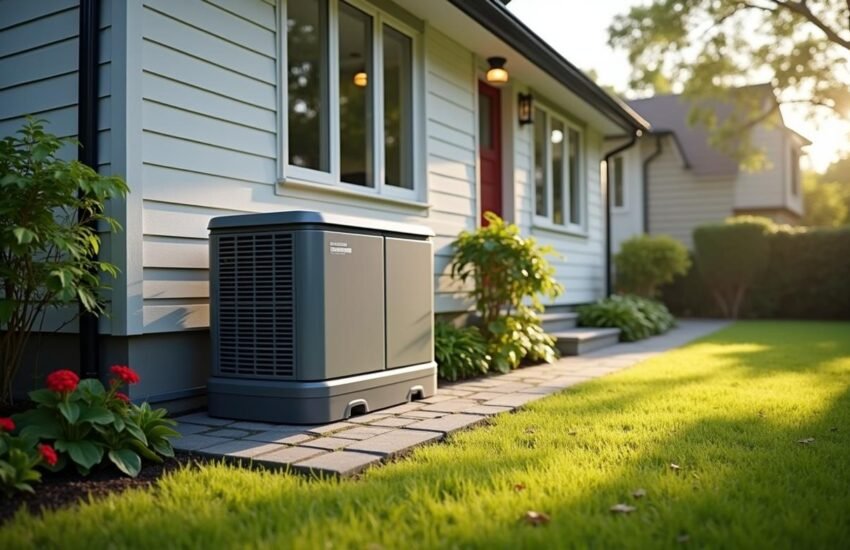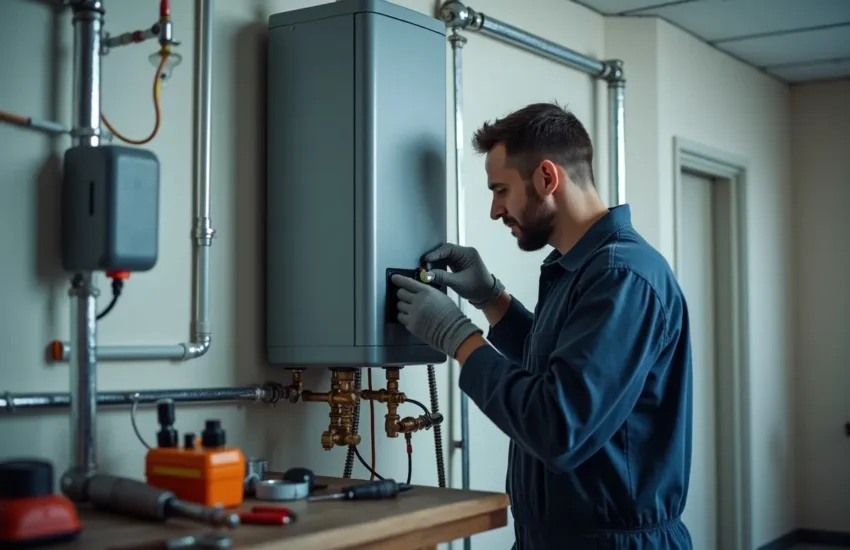
Preparing for Power Outages with Home Generator Installation
Investing in a professional home generator installation offers a multitude of advantages, particularly for homeowners in Bergen County, NJ, where weather patterns can be unpredictable. The primary benefit is uninterrupted power, which translates into continuous comfort and safety for your household. A professionally installed standby generator automatically detects a power outage and seamlessly switches your home’s power supply from the utility grid to the generator. This automatic transfer switch ensures that there’s virtually no disruption to your daily routine.
Continuous power means your essential home systems remain operational. This is crucial for food preservation, as refrigerators and freezers will maintain their temperatures, preventing spoilage and costly losses. For households relying on medical equipment, such as oxygen concentrators or powered wheelchairs, a standby generator provides a vital lifeline, ensuring these devices function without interruption.
Furthermore, home security systems, including alarms, surveillance cameras, and automated locks, stay active, maintaining your property’s protection even when the neighborhood goes dark. Beyond these critical functions, a generator keeps your heating and cooling systems running, maintaining comfortable indoor temperatures regardless of external conditions.
This is especially important for maintaining the efficiency of modern HVAC systems, including heat pumps, which provide both heating and cooling. For those considering comprehensive home energy solutions, exploring options for efficient heating and cooling, such as generator installation and replacement, can be a strategic move to ensure year-round comfort and resilience against power disruptions.
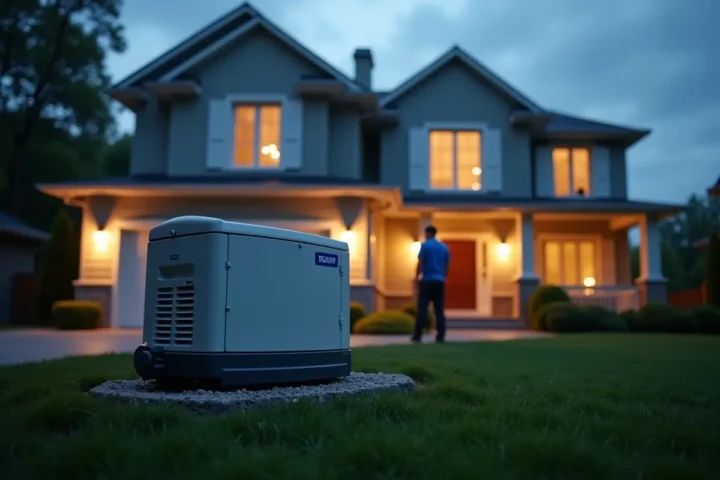
Selecting the Right Standby Generator for Your Property
Choosing the appropriate standby generator for your Bergen County home involves several key considerations to ensure it meets your specific power needs efficiently and reliably. The goal is to match the generator’s power capacity to your household’s electricity demands, preventing both under-powering and over-sizing.
Accurate generator sizing is paramount. An undersized generator won’t be able to power all the necessary appliances, while an oversized one will consume more fuel than required, increasing operational costs without providing additional benefit. This process typically begins with a detailed load calculation, which involves itemizing all the electrical devices and systems you wish to power during an outage.
Homeowners often weigh the option of powering only essential circuits, such as lights, a refrigerator, and a few outlets, against the desire for whole-house coverage, which includes larger appliances like air conditioning units, electric ovens, and water heaters. A professional assessment is highly recommended to accurately determine your home’s unique power requirements.
Sizing Your System for Home Generator Installation
Understanding your home’s wattage requirements is the first step in sizing a standby generator. Every electrical appliance and system in your home has a specific wattage rating, indicating the amount of power it consumes. When sizing, it’s important to differentiate between starting wattage and running wattage. Many appliances, especially those with motors like refrigerators, washing machines, and HVAC systems, require a higher surge of power (starting wattage) for a few seconds when they first turn on, before settling into a lower continuous power draw (running wattage).
For instance, while a heat pump might have a running wattage, its starting wattage could be significantly higher. A professional load calculation will account for these surges, ensuring the generator can handle the initial demand of multiple appliances turning on simultaneously or sequentially. This assessment considers factors like your home’s square footage, insulation, window efficiency, and the number and type of electrical devices you own.
It’s not just about adding up the running wattages; it’s about understanding the cumulative peak demand. An expert will help you prioritize essential circuits and potentially implement a managed power system, which can cycle high-demand appliances to avoid overloading the generator, ensuring your critical systems, including efficient heating and cooling, remain operational.
Fuel Options for Standby Power Systems
Standby generators operate on various fuel types, each with its own set of advantages and considerations for homeowners in Bergen County. The most common options include natural gas, liquid propane (LP), and diesel fuel.
Natural gas generators are often favored for their convenience. If your home is already connected to a natural gas utility line, the generator can be directly plumbed into this existing supply, providing an unlimited fuel source during an outage. This eliminates the need for on-site fuel storage tanks and the hassle of refueling. However, natural gas lines can be vulnerable to disruption during severe weather events like earthquakes or floods, which might also cause power outages.
Liquid propane (LP) generators are another popular choice. LP is stored in tanks on your property, offering a reliable fuel supply independent of utility lines. This can be a significant advantage if natural gas isn’t available in your area or if you prefer the redundancy of on-site storage. The size of the LP tank will determine how long your generator can run, so proper sizing of the tank is crucial. Regular monitoring of fuel levels and scheduled refills are necessary.
Diesel fuel generators are highly efficient and durable, often used in commercial and industrial settings due to their robust performance. For residential use, diesel generators require a dedicated fuel storage tank on your property, and diesel fuel has a limited shelf life, requiring stabilizers or periodic replacement. They also tend to be louder and produce more emissions than natural gas or LP models.
The choice of fuel type depends on factors such as local utility availability, personal preference for on-site storage versus utility connection, and the desired run-time during an extended outage. A professional installer can help you evaluate these options against your home’s specific needs and local regulations.
The Step-by-Step Process of Standby Generator Setup
The professional installation of a standby generator is a multi-stage process that requires careful planning, adherence to local regulations, and expert execution. It typically begins long before the generator unit arrives on your property, ensuring a smooth and compliant setup.
The initial phase involves securing the necessary permitting from local authorities in Bergen County. This ensures that the installation complies with all local building codes, electrical codes, and zoning ordinances. Skipping this crucial step can lead to fines, delays, and potential safety hazards. Once permits are in hand, preparations for the generator’s physical placement begin. This often includes pouring a concrete pad to provide a stable, level foundation for the unit, which is essential for its long-term performance and safety.
Following the site preparation, the core of the installation involves connecting the generator to your home’s electrical system and its fuel source. These utility hookups must be performed by licensed electricians and plumbers to ensure safety and compliance.
Finally, once all connections are made, a thorough system testing is conducted. This involves simulating a power outage to verify that the automatic transfer switch functions correctly, the generator starts reliably, and it provides stable power to your home. This comprehensive process guarantees that your generator will be ready to perform when you need it most.
Preparing Your Property for Home Generator Installation
Proper site preparation is a critical phase in ensuring a successful and compliant home generator installation. The location of your standby generator is not arbitrary; it must adhere to specific guidelines and considerations.
Site selection involves choosing a spot that is easily accessible for maintenance, yet discreet enough not to detract from your home’s aesthetics. Crucially, there are strict clearance requirements regarding proximity to windows, doors, and combustible materials to ensure safety and proper ventilation. Homeowners in communities with Homeowners Association (HOA) guidelines must also ensure the chosen location and unit type comply with any aesthetic or noise restrictions.
Once the ideal location is identified, the physical preparation of the site begins. This may involve minor excavation to level the ground and prepare for the foundation. The pouring of a concrete pad is typically required to provide a stable, non-combustible base for the generator. This foundation helps to absorb vibrations, keeps the unit level, and protects it from ground moisture, contributing to its longevity and reliable operation. All these steps are meticulously planned and executed by professional installers to meet safety standards and optimize generator performance.
Electrical and Utility Integration
The heart of a standby generator system lies in its seamless integration with your home’s electrical and fuel utilities. This is a highly specialized task that must be performed by certified professionals to ensure safety, efficiency, and compliance with all codes.
A key component of this integration is the subpanel installation, or direct wiring into your main electrical panel, which manages the circuits that the generator will power. This often involves the installation of an automatic transfer switch, which is the brain of the system. This switch constantly monitors the utility power and, upon detecting an outage, safely disconnects your home from the grid and connects it to the generator. When utility power is restored, it reverses the process, allowing the generator to shut down.
Simultaneously, the gas line connection is established, linking your generator to its fuel source, whether it’s a natural gas line or a liquid propane tank. This connection involves precise piping and fittings, followed by rigorous pressure testing to detect and prevent any leaks.
Once all electrical and fuel connections are securely made and tested, a final inspection by local authorities is often required to certify that the installation meets all safety and building code standards. This meticulous process ensures your standby generator is ready to provide reliable, safe power whenever needed.
Frequently Asked Questions About Standby Generators
Homeowners often have numerous questions when considering a standby generator, reflecting common concerns about their functionality, maintenance, and overall impact on their property. Addressing these frequently asked questions helps demystify the process and provides clarity on the benefits of investing in reliable standby power. From understanding how long a unit will last to what kind of upkeep it demands, having clear answers can guide your decision-making process.
How long does a standby generator last?
The lifespan of a standby generator is a common concern for homeowners looking to make a long-term investment. With proper care and maintenance, a well-installed standby generator can typically last between 15 to 20 years, or even longer. The engine durability is a key factor, as these units are designed with robust components capable of handling demanding operational cycles.
Modern standby generators are engineered for reliability, often featuring a weekly self-test function. This brief exercise ensures all components are working correctly and keeps the engine lubricated and ready for immediate deployment. Consistent adherence to the manufacturer’s recommended maintenance schedule, including regular inspections and servicing, plays a significant role in extending the equipment lifespan.
Just like your car, a generator that receives routine attention will perform optimally and serve your home for many years, providing dependable backup power for all your needs, including the efficient operation of your home’s heating and cooling systems.
What maintenance does a home generator require?
To ensure your home generator remains reliable and ready for action, regular maintenance is absolutely essential. Just like any other complex mechanical system, a standby generator requires periodic attention to perform optimally and extend its lifespan.
Key maintenance tasks include routine oil changes, typically performed annually or after a certain number of operating hours, similar to vehicle maintenance. Alongside oil changes, filter replacement for both air and fuel filters is crucial to ensure clean combustion and prevent engine strain. An annual inspection by a qualified technician is highly recommended.
During this comprehensive check-up, professionals will assess all major components, connections, and fluid levels. Battery testing is another critical step, as a weak battery can prevent the generator from starting when needed most. Finally, spark plugs may need periodic inspection and replacement to ensure efficient ignition. Adhering to these maintenance protocols not only ensures the generator’s immediate readiness but also protects your investment and helps avoid costly repairs down the line.
Can a standby generator power an entire house?
Yes, a standby generator can certainly be sized to power an entire house, providing comprehensive backup during an outage. However, the feasibility and cost-effectiveness of whole-house power depend on your specific needs and the size of the generator.
For homes aiming for full coverage, a professional load calculation is crucial to determine the total wattage required to run all appliances, including high-demand items like electric ovens, water heaters, and particularly, air conditioning units or central heat pumps. While a generator can power these, homeowners might opt for a managed power system. This intelligent system prioritizes essential circuits and can implement load shedding, temporarily turning off less critical appliances to prevent overloading the generator during peak demand.
This approach optimizes fuel consumption and ensures that critical systems remain operational. Even with whole-house power, it’s about efficient and managed power distribution rather than simply turning everything on at once. Consulting with an expert will help you design a system that perfectly balances your desire for comprehensive power with practical considerations for efficiency and cost.
Conclusion
In Bergen County, NJ, where the comfort and security of your home can be challenged by unexpected power outages, proactive planning with a home generator installation offers unparalleled peace of mind. Investing in a reliable backup power solution means safeguarding your family’s comfort, protecting valuable assets like food and medical supplies, and maintaining essential services like heating, cooling, and security systems.
The decision to install a standby generator is a strategic one, providing long-term protection against the inconveniences and potential hazards of grid instability. With professional installation, proper sizing, and routine maintenance, your generator will stand ready to seamlessly take over when the lights go out. We encourage homeowners to consider the enduring value of reliable backup power, ensuring your home remains a sanctuary of comfort and safety, no matter what the future holds.