
Choosing the Right Athletic Tapes for Sports Performance
Gymnastics demands incredible strength, flexibility, and precision. Behind every flawless routine is often careful preparation, including the strategic use of athletic tape. For gymnasts, tape is more than just an accessory; it’s a vital tool. It helps with joint stability, protecting skin, and preventing injuries.
In this extensive guide, we will explore athletic tape for gymnastics. We will dive into why it’s so important for athletes. We will cover the different types of tapes, their specific uses, and how to apply them correctly. From enhancing athletic performance to understanding how tape protects against common gymnastics ailments, we will provide comprehensive insights. Finding the right professional-quality athletic tapes is key to supporting intense training and competition.

Understanding the Role of Athletic Tapes for Sports
Athletic tapes play a multifaceted role in the demanding world of sports, particularly in gymnastics. Their primary functions revolve around providing crucial support to joints, helping to manage and enhance range of motion, facilitating muscle function, and offering targeted pain relief. For gymnasts, whose bodies are subjected to immense forces and repetitive movements, tape acts as an external layer of defense and assistance.
It can stabilize a joint that might otherwise be prone to hyperextension or sprains, allowing the gymnast to execute complex maneuvers with greater confidence and reduced risk. By limiting undesirable movements, tape allows muscles to focus their energy more efficiently, potentially improving performance. Furthermore, for athletes recovering from minor strains or experiencing chronic discomfort, certain taping methods can provide a sensation of relief, enabling them to continue training or competing.
Rigid Trainer’s Tape vs. Kinesiology Athletic Tapes for Sports
When we consider the array of athletic tapes available, two main categories often emerge: rigid trainer’s tape and kinesiology tape. Each serves distinct purposes due to their fundamental differences in material and design.
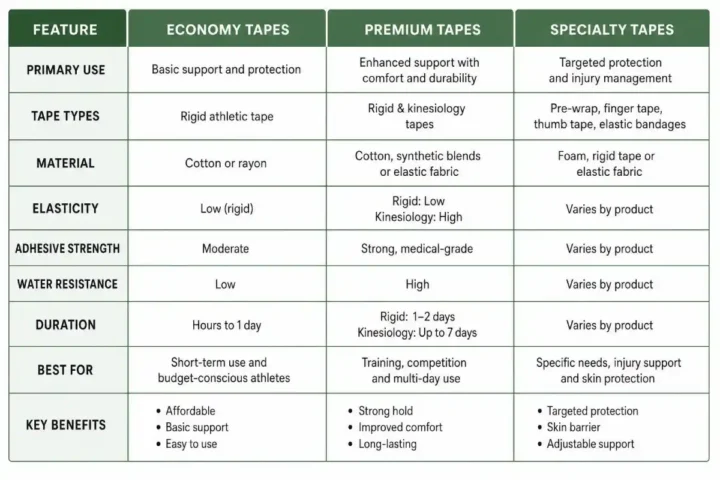
Rigid Trainer’s Tape, often referred to as traditional athletic tape, is characterized by its high tensile strength and non-elastic properties. Typically made from a cotton backing, it features a strong, medical-grade adhesive, frequently zinc oxide-based, which ensures a secure hold. This type of tape is primarily used for immobilization or to severely restrict the range of motion of a joint.
For gymnasts, this might mean securing a wrist to prevent hyperextension during vault landings or providing robust support to an ankle after a minor sprain. Its lack of elasticity means it offers maximum stability, creating a firm barrier against movements that could lead to injury. The downside is that it can limit blood flow if applied too tightly and isn’t designed for long-term wear.
In contrast, Kinesiology Athletic Tapes, such as KT Tape Pro, are designed with elasticity in mind. These tapes mimic the skin’s own elasticity, allowing for a full range of motion while still providing support. Made from a blend of cotton and synthetic fibers, kinesiology tape stretches with the body, lifting the skin slightly to promote blood flow and lymphatic drainage.
This can help reduce swelling, alleviate pain, and facilitate muscle movement. For gymnasts, kinesiology tape offers dynamic support, meaning it assists muscles and joints without restricting their natural movement patterns. Its water-resistant properties and durable adhesive mean it can often stay on for several days, with brands like KT Tape Pro specifically designed to last up to 7 days, even through showers and intense training sessions. This makes it a popular choice for ongoing support during long training blocks or multi-day competitions.
Specialty Tapes: Pre-Wrap, Finger Tape, and Elastic Bandages
Beyond the two primary categories, gymnasts also utilize a range of specialty tapes and accessories tailored to specific needs.
Pre-wrap, or pre-taping foam, is an indispensable component for many gymnasts. This thin, foam material is applied directly to the skin before any adhesive tape. Its main purpose is to create a protective barrier between the skin and the sticky adhesive, significantly reducing friction, preventing skin irritation, and making tape removal much easier.
For gymnasts who tape frequently, pre-wrap is crucial for maintaining skin health. Statistics show that pre-taping foam rolls for gymnastics commonly measure 2.75 inches x 30 yards and are available in various pack sizes, offering versatile options for athletes and training facilities.
Finger tape and thumb tape are smaller, often narrower versions of rigid athletic tape, specifically designed for the intricate joints of the hands. Gymnasts frequently tape their fingers and thumbs to prevent hyperextension, particularly during routines on apparatus like the uneven bars or rings, where fingers are subjected to immense stress and gripping forces. This targeted support helps protect against sprains and dislocations, allowing gymnasts to maintain a secure grip without fear of injury.
Elastic bandages, while not always strictly “tape,” are often used in conjunction with or as an alternative to athletic tape for compression. These bandages provide adjustable compression, which is vital for managing swelling after an acute injury or for supporting a larger area than traditional tape might cover. They are reusable and can be applied to various body parts, offering flexible support and reducing discomfort.
Key Features to Look For in Sports Performance Tapes
Choosing the right athletic tape is not a one-size-fits-all decision, especially in a sport as demanding as gymnastics. Several key features must be considered to ensure the tape provides optimal support, protection, and comfort. We look for material quality, tensile strength, ease of tearability, and water resistance to ensure the tape performs under pressure.
Adhesive Strength and Residue Prevention
The adhesive is arguably the most critical component of any athletic tape. For gymnasts, who sweat profusely and engage in high-impact, dynamic movements, the tape’s ability to stay put is paramount. We look for medical-grade adhesives that offer superior stickiness without compromising skin health. A strong adhesive ensures the tape provides consistent support throughout an entire training session or competition, resisting sweat and friction.
However, strong adhesion must be balanced with clean removal. Tapes that leave behind excessive sticky residue can be frustrating to clean off and may lead to skin irritation over time. The best tapes are designed for high-impact durability and sweat resistance while still allowing for relatively easy and clean removal.
For instance, the enduring popularity of products like Dimora Athletic Tape, with over 3,600 customer reviews and a 4.4 out of 5-star rating, and ADMITRY Athletic Tape, with over 10,000 packs bought in the past month, speaks to their perceived balance of strong adhesion and user satisfaction. Kinesiology tapes, like KT Tape Pro, are specifically engineered to stay on for up to 7 days and are water-resistant, highlighting the importance of long-lasting, reliable adhesion for gymnasts.
Flexibility, Breathability, and Hypoallergenic Properties
Beyond adhesion, the physical characteristics of the tape itself significantly impact comfort and effectiveness.
Flexibility is crucial, especially for kinesiology tapes that need to move with the body without restricting natural motion. Even rigid tapes need a certain degree of pliability to conform smoothly to body contours without creating uncomfortable creases.
Breathability is another vital feature. Tapes that trap moisture can lead to skin maceration, discomfort, and even fungal growth. Materials that allow air circulation help keep the skin dry and healthy, especially during extended wear.
Finally, hypoallergenic properties are essential for protecting gymnasts’ skin. Many athletes have sensitivities to latex or certain adhesives, which can result in rashes, itching, or blistering. Opting for latex-free options and tapes specifically marketed as hypoallergenic can prevent adverse skin reactions, ensuring that the tape is a benefit, not a burden. We always recommend performing a patch test on a small area of skin if there’s any concern about sensitivity.
Here’s a quick comparison of tape types:
Application Techniques for Injury Prevention and Skin Protection
Proper application is just as important as choosing the right tape. Even the highest quality tape will fail to provide adequate support or protection if not applied correctly. Our focus is always on maximizing injury prevention and ensuring skin integrity.
Skin Preparation
Before applying any tape, thorough skin preparation is crucial. The skin should be clean, dry, and free of oils, lotions, or hair. We often recommend cleaning the area with rubbing alcohol and allowing it to air dry completely. For areas with significant hair, shaving can help the tape adhere better and reduce pain during removal. This meticulous preparation ensures optimal adhesion and prevents skin irritation.
Tension Control
The amount of tension applied during taping is critical. Too much tension can restrict blood flow, cause discomfort, or even damage the skin. Too little tension will render the tape ineffective. The goal is to apply enough tension to provide the desired support without creating undue pressure. This often requires practice and a nuanced understanding of anatomical structures.
Taping Wrists, Ankles, and Joints for High-Impact Sports
For gymnasts, certain joints are particularly vulnerable due to the repetitive, high-impact nature of the sport. Wrists and ankles are prime examples, frequently requiring support to prevent injuries like wrist hyperextension or ankle sprains.
Wrist Taping
For wrist support, we typically begin with anchor strips around the forearm and hand. Then, we apply support strips in various patterns, such as a figure-eight, to limit specific movements while allowing others. Locking strips are then used to secure the support strips in place. This method provides robust support against hyperextension, a common injury during handsprings, vaults, and tumbling passes. The image above, showing pre-wrap and rigid tape being applied to a gymnast’s wrist, illustrates the foundational steps of this process.
Ankle Taping
Ankle taping often involves a similar principle, starting with anchor strips around the lower leg and foot. Stirrups are then applied from one anchor, under the foot, and up to the other anchor, providing medial and lateral stability. Figure-eight patterns and heel locks further reinforce the ankle, protecting against inversion and eversion sprains common during landings and uneven terrain work.
These techniques require precision and an understanding of biomechanics. Many coaches and athletic trainers are skilled in these applications, and we always recommend seeking their guidance for proper instruction.
Comparing Athletic Tapes for Sports to Grips and Guards
While athletic tape is a versatile tool for joint support and skin protection, it’s important to understand how it compares to other hand protection options gymnasts use, such as rip guards and grips.
Gymnastics Grips are specialized pieces of equipment, typically made of leather or synthetic materials, designed to be worn on the hands for apparatus like the uneven bars, high bar, and rings. Their primary function is to provide a secure grip on the bar, reducing friction on the palms and preventing painful rips and blisters. Grips enhance performance by allowing gymnasts to swing more effectively and maintain control. They offer a custom fit and are engineered for specific apparatus.
Rip Guards are simpler, often made of fabric or thin leather, and are used to cover existing rips or prevent new ones on specific areas of the hand. They are more localized than full grips and are often secured with athletic tape.
Athletic Tape, on the other hand, provides a different kind of protection. While it can offer some friction protection, its main role is joint support, stabilization, and preventing skin abrasions in various areas, not just the hands. For example, tape can protect the skin on the feet from mat burns or secure a finger joint. Unlike grips, tape doesn’t necessarily enhance grip on apparatus but rather protects the underlying structures.
It’s also worth noting the distinction between athletic tape and other adhesive solutions mentioned in broader discussions about gymnasts’ attire. For instance, “body adhesives” or “butt glue” are used for apparel security, ensuring leotards stay in place during routines.
While these are also adhesives, their purpose is entirely different from athletic tape, which is focused on physical support and injury prevention. The choice between tape, grips, or guards depends entirely on the specific need: joint stability, skin protection from friction, or enhanced grip on apparatus. Often, gymnasts will use a combination of these methods for comprehensive protection.
Frequently Asked Questions About Athletic Tapes
We often encounter common queries from athletes and parents regarding the practical aspects of using athletic tape. Here, we address some of the most frequently asked questions to provide clear, actionable insights.
Is athletic tape eligible for FSA or HSA reimbursement?
Many athletes and their families are looking for ways to manage healthcare costs. The good news is that many types of athletic tape are indeed eligible for reimbursement through Flexible Spending Accounts (FSA) or Health Savings Accounts (HSA). These tax-advantaged accounts allow individuals to set aside pre-tax money for eligible medical expenses.
Generally, items considered “medical necessities” or those used for the prevention, diagnosis, or treatment of an injury or illness qualify. Since athletic tape is widely used for injury prevention, support during recovery, and pain relief, it typically falls under these guidelines.
However, it’s always best to check with your specific FSA or HSA plan administrator for their exact reimbursement guidelines, as policies can vary. Keeping receipts and having a clear understanding of the medical purpose for which the tape is used will facilitate the reimbursement process.
How long does athletic tape typically last during intense training?
The longevity of athletic tape can vary significantly depending on several factors, including the type of tape, the area of application, the intensity of the activity, and individual body chemistry (e.g., sweat rate).
- Rigid Trainer’s Tape: Due to its non-elastic nature and strong adhesive, rigid tape can often last through a single intense training session or competition. However, prolonged wear, especially with heavy sweating, can cause the adhesive to break down, reducing its effectiveness. It’s generally recommended to remove rigid tape after each session to allow the skin to breathe and to prevent irritation.
- Kinesiology Tape: Designed for extended wear, kinesiology tapes like KT Tape Pro are engineered to stay on for up to 7 days, even with daily showers and intense physical activity. Their water-resistant properties and flexible design allow them to move with the body, maintaining adhesion for longer periods. This makes them ideal for ongoing support or recovery over several days.
- Specialty Tapes (Finger/Thumb Tape): These tapes, often smaller and subjected to extreme friction, might need reapplication more frequently, sometimes even mid-session if they start to fray or lose adhesion.
The wear duration is also influenced by how well the skin was prepared prior to application. Clean, dry, hair-free skin will always provide the best adhesion. It’s important for gymnasts to monitor their tape; if it starts to peel, roll, or feel loose, it’s time for reapplication to ensure continued support.
What is the safest way to remove athletic tape without skin irritation?
Removing athletic tape improperly can lead to painful skin irritation, redness, or even epidermal stripping (where the top layer of skin is pulled off). To minimize discomfort and protect skin health, we recommend the following steps:
- Use an Adhesive Solvent or Oil: The most effective way to loosen tape adhesive is by using a specialized medical adhesive remover, available at pharmacies or medical supply stores. Alternatively, household items like baby oil, mineral oil, or even olive oil can work. Apply the solvent or oil generously over the tape, allowing it to soak in for a few minutes. This helps to dissolve the adhesive bond.
- Peel Slowly, in the Direction of Hair Growth: Once the adhesive has softened, begin peeling the tape back slowly, pulling it close to the skin surface. Always pull in the direction of hair growth to reduce discomfort. Avoid ripping the tape off quickly or pulling it straight up from the skin.
- Press Down on the Skin: As you peel, use your free hand to press down on the skin behind the tape, gently pushing the skin away from the adhesive. This helps to separate the tape from the skin rather than pulling the skin up with the tape.
- Clean and Condition the Skin: After removal, wash the taped area with mild soap and water to remove any residual adhesive or oil. Pat the skin dry and apply a moisturizing lotion to rehydrate and soothe the skin. This step is crucial for preventing dryness and irritation, especially for gymnasts who tape frequently.
By following these steps, gymnasts can safely remove tape, minimizing skin irritation and maintaining healthy skin for future applications.
Conclusion
In the demanding world of gymnastics, athletic tape stands out as an indispensable tool for performance enhancement, injury prevention, and skin protection. We’ve explored the diverse landscape of athletic tapes, from the rigid stability of trainer’s tape to the dynamic support of kinesiology tape, and the targeted protection offered by specialty options like pre-wrap and finger tape.
Understanding the unique properties of each—be it tensile strength, elasticity, adhesive quality, or hypoallergenic features—empowers gymnasts and their support teams to make informed choices.
Proper application techniques, including meticulous skin preparation and precise tension control, are paramount to harnessing the full benefits of taping, whether for stabilizing wrists during high-impact landings or protecting ankles from sprains. Furthermore, we’ve clarified how athletic tape complements, rather than replaces, other protective gear like grips and guards, each serving distinct yet equally crucial roles in a gymnast’s arsenal.
As of July 2026, the market offers an impressive array of options, with products designed for longevity, comfort, and effectiveness. From navigating FSA/HSA reimbursements to mastering safe removal techniques, we aim to equip gymnasts with the knowledge to integrate athletic tape seamlessly and safely into their training and competition routines. By prioritizing careful selection, correct application, and thoughtful care, gymnasts can leverage athletic tape to enhance their performance, extend their careers, and continue pushing the boundaries of what’s possible in their sport.