
Beyond the Blues: Finding the Right Therapy for Adjustment Disorder
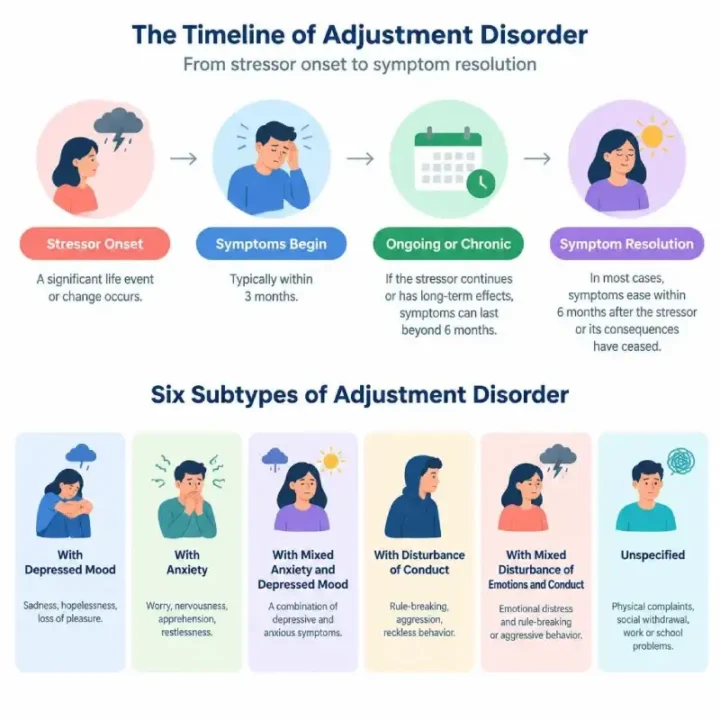
Adjustment disorder is a psychological response to an identifiable stressor, a significant life event or change that triggers emotional or behavioral symptoms. Unlike typical stress reactions, the response in an adjustment disorder is considered excessive or unhealthy, causing marked distress that is out of proportion to the severity or intensity of the stressor, or leading to significant impairment in social, occupational, or other important areas of functioning. These symptoms typically emerge within three months of the stressor’s onset, as outlined by the DSM-5-TR criteria.
The stressors themselves can be diverse, ranging from major life transitions like divorce, job loss, or moving, to more acute events such as a natural disaster, a serious illness diagnosis, or even positive changes like retirement or the birth of a child. What makes a stressor impactful is often subjective; an event that one person navigates with relative ease might profoundly affect another.
The functional impairment can manifest as difficulty concentrating at work or school, withdrawing from social interactions, or struggling with daily responsibilities. Emotional disturbances might include persistent sadness, anxiety, irritability, or feelings of hopelessness, while behavioral changes could involve acting out, reckless behavior, or changes in sleep and appetite.

Understanding Adjustment Disorder: Symptoms, Subtypes, and Triggers
To better understand the nuances of this condition, mental health professionals categorize adjustment disorders into six distinct subtypes, each characterized by a predominant set of symptoms.
Diagnostic Differences: Adjustment Disorder vs. Major Depression and PTSD
Differentiating adjustment disorder from other mental health conditions like Major Depressive Disorder (MDD) and Post-Traumatic Stress Disorder (PTSD) is a critical step in accurate diagnosis and effective treatment. While all three can present with overlapping symptoms, their underlying causes, symptom profiles, and duration often differ significantly.
One key distinction lies in the nature of the stressor. Adjustment disorder arises in response to any identifiable psychosocial stressor, which can be positive or negative, but is generally not life-threatening. PTSD, in contrast, is exclusively triggered by exposure to actual or threatened death, serious injury, or sexual violence.
The trauma threshold for PTSD is much higher, involving events that are distressing and often outside the realm of common experience. While adjustment disorder can involve acute stress, it does not typically involve the re-experiencing, avoidance, negative alterations in cognitions and mood, or alterations in arousal and reactivity characteristic of PTSD.
Normal bereavement is another important differential. While the death of a loved one can certainly trigger an adjustment disorder, the symptoms must exceed what would be considered a normal grief response for that individual’s cultural and religious background. If the symptoms are primarily those of grief and do not lead to significant functional impairment beyond the expected period of mourning, it may not be an adjustment disorder.
When comparing adjustment disorder to Major Depressive Disorder (MDD), the primary difference often lies in the severity and pervasiveness of symptoms, and their direct link to a specific stressor. In adjustment disorder with depressed mood, the depressive symptoms are a reaction to a specific event and typically resolve once the stressor is removed or adapted to.
MDD, however, presents with a more pervasive and persistent low mood, often without a clear, singular precipitating stressor, and its symptoms are generally more severe and enduring, meeting specific diagnostic criteria for a major depressive episode.
Here is the information organized into a clear, easy-to-read comparison table:
| Feature | Adjustment Disorder | Major Depressive Disorder (MDD) | Post-Traumatic Stress Disorder (PTSD) |
|---|---|---|---|
| Stressor Type | Any identifiable psychosocial stressor (positive or negative, generally not life-threatening) | Not necessarily linked to a specific, identifiable stressor | Exposure to actual or threatened death, serious injury, or sexual violence |
| Symptom Onset | Within 3 months of stressor | Not time-bound to a specific stressor | Can be delayed, but typically begins within 6 months of trauma |
| Symptom Duration | Usually resolves within 6 months after stressor ends | Persistent (at least 2 weeks) and often chronic without treatment | Lasts more than 1 month, often chronic |
| Symptom Severity | Distress out of proportion to stressor severity or significant functional impairment | Clinically significant distress or impairment meeting specific MDE criteria | Significant distress or impairment involving re-experiencing, avoidance, cognition/mood changes, and arousal |
| Key Symptoms | Depressed mood, anxiety, conduct disturbance, or a combination | Pervasive sadness, anhedonia, sleep/appetite changes, fatigue, worthlessness, suicidal ideation | Intrusive memories, nightmares, flashbacks, avoidance of reminders, negative thoughts/mood, hypervigilance, exaggerated startle response |
| Functional Impact | Significant impairment in social or occupational functioning due to stress reaction | Significant impairment across multiple life domains | Significant impairment, often severe, due to trauma-related symptoms |
The Role of Personalised Psychological Treatment for Adjustment Disorders
When facing the emotional and behavioral challenges of an adjustment disorder, finding the right therapeutic path is paramount. While the condition is often time-limited, intervention can significantly alleviate suffering, prevent chronicity, and foster healthier coping mechanisms. We have found that personalised psychological treatment is often the most effective approach, as it directly addresses the individual’s unique response to their specific stressor.
Brief psychotherapy is typically the cornerstone of treatment for adjustment disorders. This approach acknowledges the time-limited nature of the condition while providing targeted support. The primary goals are to diminish nonadaptive responses, enhance the individual’s capacity to cope with the stressor, and develop a robust support system.
Therapeutic engagement often begins by identifying the precise stressor and exploring its meaning to the individual. This process helps clarify and reframe the stressor, allowing for a more constructive interpretation of the event.
A strong therapeutic alliance between the client and therapist is crucial. Within this supportive and non-judgmental space, individuals can safely explore their concerns and conflicts, learn new coping skills, and gain perspective.
Stressor modification, where possible, is also a key component. This might involve practical steps to reduce the impact of the stressor or developing strategies to manage it more effectively. The aim is not just symptom elimination but also the development of resilience and adaptive skills that can be applied to future life challenges.
Evidence-Based Modalities in Personalised Psychological Treatment
Several evidence-based psychotherapeutic modalities are particularly effective in treating adjustment disorders. These approaches are often integrated into a personalised psychological treatment plan, tailored to the individual’s specific symptoms, needs, and the nature of their stressor.
- Cognitive Behavioral Therapy (CBT): A highly effective approach, CBT helps individuals identify and challenge negative thought patterns and distorted beliefs associated with the stressor. By restructuring these thoughts, individuals can develop more realistic and positive ways of viewing their situation. CBT also equips clients with practical coping strategies, such as problem-solving skills, communication techniques, and anger management, enabling them to respond to stressors more adaptively.
- Stress Inoculation Training (SIT): Often integrated within CBT, SIT focuses on teaching individuals skills to manage stress before, during, and after a stressful event. This includes relaxation techniques, cognitive restructuring, and self-instructional training, effectively “inoculating” them against the overwhelming effects of stress.
- Behavioral Activation: This technique encourages individuals to engage in activities that bring a sense of accomplishment and joy, even when they don’t feel motivated. By gradually increasing positive behaviors, individuals can counteract the withdrawal and anhedonia often seen in adjustment disorders, reinforcing positive experiences and improving mood.
- Problem-Solving Therapy: This modality helps individuals systematically identify, define, and solve problems related to their stressor. It focuses on developing concrete action plans and evaluating their effectiveness, empowering clients to take control of their circumstances.
- Interpersonal Therapy (IPT): IPT focuses on improving interpersonal relationships and social functioning, recognizing that many stressors are relational in nature (e.g., divorce, loss of a loved one). It helps individuals address grief, role disputes, role transitions, and interpersonal deficits, strengthening their support systems and communication skills.
These modalities, often combined and adapted, form the core of effective Personalised psychological treatment for adjustment disorders. The goal is to provide individuals with the tools and insights they need to navigate their current challenges and build lasting mental resilience.
Adapting Personalised Psychological Treatment for Children, Teens, and Adults
The presentation and treatment of adjustment disorders can vary significantly across different age groups. Therefore, a personalised psychological treatment approach must be adapted to suit developmental stages, cognitive abilities, and typical stressors for children, adolescents, and adults.
For children, adjustment disorders often manifest behaviorally, such as acting out, increased irritability, or changes in school performance. Stressors might include a family move, parental divorce, or difficulties at school.
Treatment often involves play therapy or art therapy to help children express feelings they might not yet verbalize. Family therapy is particularly beneficial here, focusing on improving family dynamics, communication, and providing a supportive home environment. Parents are guided on how to talk to their children about stressful events and offer reassurance.
Adolescents may exhibit a mix of emotional and behavioral symptoms. They might withdraw from peers, show increased defiance, engage in risky behaviors, or struggle with school challenges. Issues around identity, sexuality, and peer relationships can exacerbate their response to stressors.
Individual therapy, often incorporating CBT techniques, helps teens develop problem-solving skills, manage impulses, and improve emotional regulation. Peer group therapy can also be highly effective, providing a sense of belonging and an opportunity to develop social and interpersonal skills in a supportive setting.
In adults, adjustment disorders often present with more pronounced depressive or anxious symptoms. Stressors can include job loss, relationship breakdowns, financial difficulties, or significant health diagnoses. Treatment for adults typically involves individual psychotherapy, such as CBT or interpersonal therapy, to address negative thought patterns, improve coping strategies, and strengthen support networks.
The focus is on helping adults regain their previous level of functioning and build resilience for future challenges. In all age groups, the aim is to tailor the therapeutic intervention to the individual’s unique context, ensuring the most effective and compassionate care.
Evaluating Medication and Adjunctive Approaches in Clinical Care
While psychotherapy remains the primary treatment for adjustment disorders, there are instances where medication or other adjunctive approaches may be considered. Pharmacotherapy for adjustment disorders typically aims to ameliorate specific, debilitating symptoms rather than treating the disorder itself. The research indicates that medicines have very limited value as a standalone treatment for adjustment disorders, and psychotherapy should always be the first line of defense.
Pharmacotherapy limitations stem from the nature of adjustment disorders as reactions to specific stressors, which are often best addressed through psychological means that build coping skills. However, if symptoms such as severe insomnia, acute anxiety, or significant depressive features are causing substantial distress and impairing daily functioning, a healthcare provider might consider short-term medication.
- Antidepressant Considerations: For individuals experiencing prominent depressed mood or anxiety that significantly impacts their ability to engage in therapy or daily life, antidepressants (such as SSRIs) might be prescribed. These are generally considered when symptoms are severe enough to resemble a comorbid anxiety or depressive disorder, or if psychotherapy alone has not yielded sufficient improvement after a reasonable period (e.g., three months). The decision to use antidepressants is a matter of clinical judgment, often weighing the benefits of symptom relief against potential side effects.
- Benzodiazepine Risks: For acute anxiety or severe insomnia, benzodiazepines might be used for a very short duration. However, their use is approached with caution due to the risk of dependence, withdrawal symptoms, and potential for misuse. They are generally not recommended for long-term management of adjustment disorder symptoms.
- Sleep Disturbances: Beyond benzodiazepines, other sleep aids might be considered for short-term insomnia, always in conjunction with sleep hygiene practices and psychotherapy.
Any medication should be used as an adjunct to psychotherapy, not a replacement. The goal is to manage symptoms enough for the individual to actively participate in therapy and develop sustainable coping mechanisms.
Natural remedies, such as certain plant extracts (e.g., kava-kava, valerian) or dietary supplements (e.g., bioactive peptides and magnesium), have shown some promise in managing anxiety symptoms in adjustment disorders in preliminary studies, offering potential alternatives for those seeking non-pharmacological options. However, these should always be discussed with a healthcare professional.
Prognosis, Complications, and Lifestyle Strategies for Resilience
The outlook for individuals diagnosed with an adjustment disorder is generally very positive, especially with timely and appropriate intervention. We know that with the right help and support, most people get better quickly. The problem usually does not last longer than six months, unless the stressor continues to be present. This “six-month recovery” is a hallmark of the condition, indicating that symptoms typically resolve once the individual adapts to the stressor or the stressor itself is removed.
However, if adjustment disorders are left untreated, they can lead to potential complications. These may include the development of more severe mental health conditions, such as Major Depressive Disorder, Generalized Anxiety Disorder, or even substance misuse disorder, as individuals might turn to alcohol or drugs to cope with their distress.
Untreated adjustment disorders can also lead to significant impairment in relationships, academic or occupational performance, and overall quality of life. There’s also an increased risk of suicidal thoughts or attempts, underscoring the importance of early intervention and support.
Building resilience and adopting healthy lifestyle strategies are crucial for preventing adjustment disorders and facilitating recovery. These proactive measures can significantly enhance an individual’s capacity to adapt to change and manage stress effectively.
- Cultivating a Strong Support System: Connecting with positive and supportive family members, friends, and peer groups provides a vital buffer against stress. Open communication and sharing feelings can significantly reduce feelings of isolation and overwhelm.
- Practicing Self-Care: Regularly engaging in enjoyable activities, setting aside “me time,” and pursuing hobbies can help maintain emotional balance. This includes activities that bring a sense of accomplishment and purpose.
- Maintaining a Healthy Lifestyle: A balanced diet, regular physical activity, and sufficient sleep are foundational to mental well-being. Aerobic exercise, in particular, can stabilize the autonomic nervous system and induce positive mood states.
- Mindfulness and Relaxation Techniques: Practices such as journaling, prayer, meditation, or yoga can help individuals stay present, reduce anxiety, and improve emotional regulation.
- Developing Coping Skills: Learning from past experiences, identifying personal strengths, and proactively planning to handle problems can build confidence and adaptability. Facing fears and accepting challenges, rather than avoiding them, can also foster growth.
- Avoiding Harmful Substances: Steering clear of alcohol, illicit drugs, and other addictive substances is critical, as these can exacerbate symptoms and hinder recovery.
By integrating these strategies, individuals can not only recover from an adjustment disorder but also develop a robust toolkit for navigating future life transitions with greater ease and emotional well-being.
Frequently Asked Questions About Adjustment Disorder
We often encounter common questions about adjustment disorders, particularly regarding their duration, when to seek help, and whether they can be prevented. Here, we address some of these key concerns.
How long do symptoms of adjustment disorder typically last?
The typical timeline for adjustment disorder symptoms is relatively short-term. Symptoms usually begin within three months of a specific stressful event and, in most cases, resolve within six months after the stressor or its consequences have ceased. This is often referred to as an “acute” adjustment disorder. The problem usually does not last longer than six months, unless the stressor continues to be present.
However, if the stressful event is ongoing or has long-term implications (e.g., chronic illness, ongoing financial hardship), the symptoms can persist for more than six months. In such cases, the condition may be classified as a “chronic” adjustment disorder. With appropriate treatment and support, recovery is still very possible, and symptoms often resolve within this six-month timeframe or shortly thereafter.
When should someone seek professional help for an adjustment disorder?
It’s advisable to seek professional help if the symptoms of an adjustment disorder are causing significant distress or impairment in your daily life. This means if your emotional or behavioral reactions to a stressor are stronger than expected, persistent, and interfere with your relationships, work, school, or other important activities.
Specific indicators that it’s time to contact a mental health professional include:
- Marked distress: Your emotional reaction feels overwhelming and you’re struggling to cope.
- Functional impairment: You find it difficult to perform daily tasks, maintain social connections, or fulfill responsibilities.
- Symptoms persist: Your symptoms don’t improve after a few weeks, or they worsen.
- Suicidal thoughts: If you or someone you know is having thoughts of self-harm or suicide, seek immediate help by calling emergency services, a crisis hotline (such as 988 in the U.S. or local crisis lines), or going to the nearest emergency room.
- Substance use: If you’re turning to alcohol or drugs to cope, this is a sign that professional intervention is needed.
Early discovery and professional help can significantly reduce symptom severity and improve your quality of life.
Can adjustment disorders be prevented prior to major life transitions?
While it’s not always possible to prevent all stressors or their emotional impact, we can certainly take proactive steps to build resilience and improve our coping mechanisms, which can reduce the likelihood or severity of an adjustment disorder. This involves a combination of proactive coping strategies and stress management techniques.
- Proactive Coping: Anticipate potential stressors, such as an upcoming move, retirement, or a significant family event. Plan ahead by researching, preparing, and discussing expectations with those involved.
- Resilience Training: Engage in activities that build mental and emotional toughness. This includes developing problem-solving skills, fostering a positive outlook, and learning from past challenges.
- Transitional Support: Lean on your support system during times of change. This might involve talking to friends and family, joining support groups, or seeking guidance from mentors.
- Stress Management: Regularly practice stress-reducing techniques like mindfulness, meditation, deep breathing exercises, and physical activity. Maintaining a healthy lifestyle with adequate sleep, nutrition, and exercise is also crucial.
By consciously developing these adaptive skills, we can better navigate life’s inevitable changes and minimize the risk of developing an adjustment disorder.
Conclusion
Adjustment disorders, while common and often transient, represent a significant challenge to emotional well-being when left unaddressed. We’ve explored how these conditions arise from excessive emotional or behavioral reactions to identifiable stressors, manifesting in diverse ways across different subtypes and age groups. Understanding the distinctions between adjustment disorders, Major Depressive Disorder, and PTSD is crucial for accurate diagnosis and tailored treatment.
Our focus has been on the power of personalised psychological treatment, particularly evidence-based modalities like Cognitive Behavioral Therapy, stress inoculation, and problem-solving therapy. These approaches equip individuals with adaptive skills, enabling them to process stressors, reframe negative thoughts, and cultivate resilience. We’ve also highlighted the importance of adapting these treatments to the developmental needs of children, adolescents, and adults, often incorporating family and peer support.
While pharmacotherapy may play a supportive role in managing acute symptoms like anxiety or insomnia, it is generally an adjunct to psychotherapy, not a standalone solution. The prognosis for adjustment disorders is overwhelmingly positive, with most individuals recovering within six months with appropriate care. However, untreated conditions can lead to more severe complications, underscoring the value of early intervention.
Fostering holistic recovery involves not only professional therapeutic support but also proactive lifestyle strategies. Building strong support systems, practicing self-care, maintaining a healthy lifestyle, and developing robust coping mechanisms are vital for navigating life’s transitions with greater ease and emotional fortitude. By embracing these principles, we can move beyond the blues and cultivate lasting emotional well-being.