Essential Steps for Improving Indoor Air Quality
Many of us in Cleveland, Ohio, might think the air outside is our biggest concern, but by July 2026, research consistently shows that we spend about 90% of our lives indoors, where pollutant levels can be two to five times higher than outdoors. This hidden reality means that improving indoor air quality isn’t just a comfort; it’s a critical step for our family’s health and long-term well-being.
Poor indoor air can trigger allergies, worsen asthma, and contribute to various health issues. This extensive guide will walk you through essential strategies for achieving a healthier indoor environment, focusing on practical steps to identify, control, and eliminate common airborne threats in our homes.
The Three Pillars of Improving Indoor Air Quality
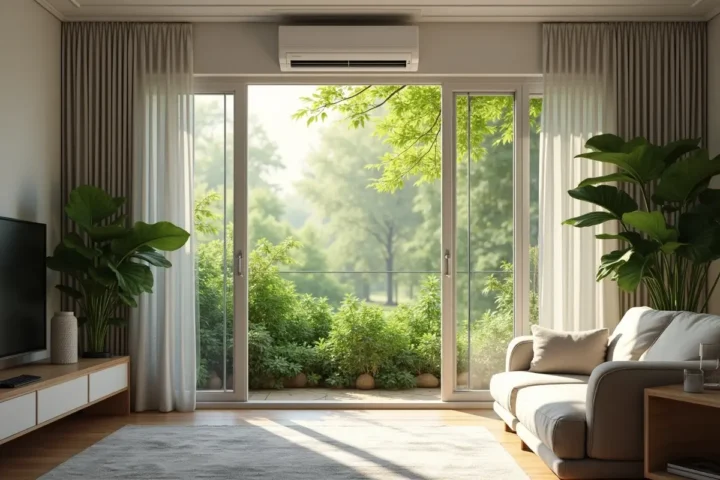
Improving indoor air quality (IAQ) is a multifaceted endeavor, but it can be simplified into three fundamental strategies, often referred to as the “Three Pillars” by environmental agencies like the EPA: source control, improved ventilation, and air cleaning/filtration. This hierarchy emphasizes that addressing the root cause (source control) is always the most effective and often most cost-efficient approach. If sources cannot be fully controlled, then bringing in fresh air (ventilation) becomes crucial. Finally, if pollutants still persist, air cleaning and filtration act as a supplementary measure.
Let’s look at how these three pillars work together:
Identifying and Controlling Indoor Air Pollutants
Understanding the common culprits behind poor indoor air quality is the first step toward a healthier home. Many of these pollutants are invisible and odorless, making their presence insidious. They can originate from building materials, household products, combustion sources, and even our daily activities.
Some of the most common indoor air pollutants include:
- Radon Gas: A naturally occurring radioactive gas that seeps from the ground.
- Carbon Monoxide (CO): An odorless, colorless gas produced by incomplete combustion.
- Volatile Organic Compounds (VOCs): Chemicals released from many household products and materials through a process called “off-gassing.”
- Particulate Matter (PM): Tiny airborne particles from cooking, candles, dust, and outdoor pollution.
- Combustion Emissions: Byproducts from burning fuel, such as nitrogen dioxide from gas stoves.
- Pesticides: Chemical residues from pest control products.
- Secondhand and Thirdhand Smoke: Harmful compounds from tobacco products.
- Biological Contaminants: Mold spores, dust mites, pet dander, and bacteria.
Exposure to these pollutants, even at low levels over time, can lead to a range of health issues, from short-term symptoms like headaches and respiratory irritation to long-term conditions such as asthma, allergies, and even lung cancer.
Reducing Chemical Exposure and Volatile Organic Compounds
Volatile Organic Compounds (VOCs) are a significant concern because they are emitted by a vast array of common household items. These can include building materials, paints, cleaning supplies, furnishings, and even personal care products. Newly built homes, for example, can have VOC concentrations 5 to 10 times higher than homes several years old, as materials off-gas over time.
To reduce your exposure to VOCs:
- Choose Low-VOC Products: When painting, renovating, or purchasing new furniture, look for products labeled “low-VOC” or “zero-VOC.” This applies to paints, adhesives, sealants, and even flooring.
- Ventilate New Items: Allow new furniture, carpets, or building materials to “air out” in a well-ventilated area (like a garage or outdoors if possible) before bringing them into your main living space. Used furniture often has already completed its significant off-gassing phase, making it a potentially healthier choice.
- Avoid Synthetic Scents: Chemical air fresheners, scented candles, and plug-in diffusers release VOCs into the air. Opt for natural ventilation or essential oil diffusers used sparingly with good ventilation, though even essential oils release VOCs.
- Natural Cleaning Alternatives: Use natural cleaning agents like vinegar, baking soda, and lemon juice instead of harsh chemical cleaners that often contain high levels of VOCs.
- Handle Dry-Cleaning Carefully: Dry-cleaning chemicals, such as perchloroethylene, can linger on clothes. If possible, air out dry-cleaned items in a well-ventilated area (like an attached garage with the door to the house closed) for a day or two before bringing them indoors.
Mitigating Radon and Carbon Monoxide Risks
Radon and carbon monoxide are two of the most dangerous indoor air pollutants because they are colorless, odorless, and can have severe health consequences.
Radon Gas
Radon is a naturally occurring radioactive gas that emanates from the breakdown of uranium in soil, rock, and water. It can seep into homes through cracks in foundations, walls, and floor drains. Radon exposure is the second leading cause of lung cancer in the United States, responsible for approximately 21,000 deaths annually. The EPA recommends that all homes be tested for radon, especially at the lowest lived-in level.
Low-cost radon test kits are readily available. If levels exceed the EPA’s action level of 4 pCi/L, mitigation is recommended. This often involves sub-slab depressurization systems that vent the gas safely outdoors. Retesting every few years, or after significant renovations, is a wise practice.
Carbon Monoxide (CO)
Often called the “silent killer,” carbon monoxide is a toxic gas produced by fuel-burning appliances (furnaces, water heaters, gas stoves, fireplaces) when combustion is incomplete. Crucially, CO detectors are the only way to identify its presence. We recommend installing certified carbon monoxide alarms on every level of your home, particularly near sleeping areas, and testing them monthly.
Ensure all fuel-burning appliances are professionally inspected annually and properly vented to the outdoors. Never idle vehicles, generators, or gas-powered lawnmowers in an attached garage, as these emissions can easily infiltrate your living spaces. The door between an attached garage and the home should be tightly sealed.
Practical Ventilation and Moisture Control Strategies
Once you’ve controlled as many pollution sources as possible, the next critical step is to ensure adequate ventilation. Ventilation dilutes pollutants that are unavoidable and brings in fresh outdoor air, which is particularly important given that people spend approximately 90% of their time indoors.
Managing Humidity for Improving Indoor Air Quality
Humidity plays a surprisingly significant role in indoor air quality. Too much humidity creates an ideal breeding ground for biological contaminants like mold, dust mites, and bacteria, while too little can irritate respiratory passages. The EPA recommends maintaining indoor relative humidity between 30% and 50% to minimize the growth of these biological contaminants.
Here’s how to manage humidity effectively:
- Use Dehumidifiers: In damp areas like basements, crawl spaces, or during humid summer months in regions like Ohio, a dehumidifier can be invaluable. This helps prevent mold growth, which can begin on surfaces within 24 hours of becoming wet.
- Proper Ventilation: Run exhaust fans in bathrooms during and for at least 20 minutes after showers to vent moisture directly outdoors. Similarly, use range hoods while cooking to remove steam and moisture.
- Address Water Leaks Promptly: Fix any plumbing leaks, roof leaks, or foundation issues immediately. Any water damage should be dried thoroughly within 24-48 hours to prevent mold from taking hold. If you suspect hidden mold or have experienced significant water intrusion, seeking unbiased mold inspection services can help identify the extent of the problem and guide remediation efforts without conflict of interest.
- Avoid Over-watering Plants: While indoor plants are aesthetically pleasing, over-watering can lead to mold growth in the soil, contributing to indoor allergens.
Optimizing Airflow and Ventilation Systems
Effective ventilation goes beyond just opening a window. It involves a strategic approach to air exchange.
- Natural Ventilation: On days with good outdoor air quality, opening windows and doors for at least 10 minutes can create cross-ventilation, effectively diluting indoor pollutants. However, avoid this during periods of high outdoor pollution (e.g., wildfire smoke, high pollen counts, or poor outdoor air quality alerts).
- Exhaust Fans: Beyond bathrooms, kitchen range hoods are essential. Running a range hood exhaust fan on high speed (300 CFM) can reduce exposure to cooking-related particles and gases by more than 80%, especially when cooking on back burners. Make sure your range hood vents to the outdoors, not just recirculates air.
- Mechanical Ventilation: For tightly sealed, energy-efficient homes, natural ventilation might not be sufficient. Systems like Heat Recovery Ventilators (HRVs) and Energy Recovery Ventilators (ERVs) continuously bring in fresh outdoor air while recovering much of the energy used to heat or cool the indoor air, making them energy-efficient solutions for year-round ventilation.
- HVAC System Fan: While most standard residential HVAC systems primarily recirculate indoor air for heating and cooling, running the system’s fan continuously (if it has this option) can help circulate air through your filters more often, though it doesn’t bring in fresh outdoor air.
Advanced Air Filtration and HVAC Maintenance
Even with diligent source control and good ventilation, some airborne particles and allergens will inevitably remain. This is where air cleaning and filtration systems come into play, acting as the third pillar to capture and remove these remaining contaminants.
The Role of Duct Maintenance in Improving Indoor Air Quality
Your home’s air ducts are the circulatory system of your HVAC unit, distributing conditioned air throughout your living spaces. Over time, these ducts can accumulate significant amounts of dust, dirt, pet dander, pollen, mold spores, and other debris. This accumulation can reduce HVAC efficiency, increase energy costs, and, crucially, act as a reservoir for allergens and pollutants that are then recirculated throughout your home.
For many homeowners in Cleveland and surrounding areas, ensuring clean air ducts is a vital step in comprehensive IAQ management. Professional air duct cleaning can remove these accumulated contaminants, leading to several benefits:
- Improved Indoor Air Quality: By eliminating dust, allergens, and mold spores from the ductwork, fewer irritants are circulated into your breathing air. This is particularly beneficial for individuals with allergies, asthma, or other respiratory sensitivities.
- Enhanced HVAC Efficiency: Clean ducts allow your heating and cooling system to operate more efficiently, as airflow is unobstructed. This means your system doesn’t have to work as hard, potentially extending its lifespan and reducing energy consumption.
- Odor Elimination: Dirty ducts can harbor musty or stale odors, especially if mold or mildew is present. Cleaning can help eliminate these unpleasant smells.
- Reduced Household Dust: Less dust circulating from your vents means less dust settling on your furniture and surfaces, leading to a cleaner living environment and less frequent dusting.
While individual circumstances vary, experts often recommend considering professional air duct cleaning every 3 to 5 years, or more frequently if you have pets, smokers in the home, recent renovations, or family members with severe allergies or asthma. Regular inspection of your vents for visible dust buildup or signs of mold can also indicate when a cleaning might be beneficial.
Frequently Asked Questions About Indoor Air Quality
We often encounter common questions and misconceptions about indoor air quality. Let’s address some of the most frequent ones.
Do houseplants actually clean indoor air?
While indoor plants do release oxygen through photosynthesis and can be aesthetically pleasing, their ability to significantly purify indoor air in a typical home setting is largely overstated. Scientific studies, often conducted in sealed laboratory chambers, have shown that a single plant can remove small amounts of certain VOCs. However, in a real-world home, you would need an impractical number of plants (hundreds per room) to achieve the same air-cleaning effect as basic ventilation or an air purifier.
Furthermore, over-watering plants can promote microbial growth in the soil, potentially introducing mold spores into your indoor environment, which can trigger allergies for sensitive individuals. Therefore, while they offer other benefits, relying on houseplants for substantial air purification is not an effective strategy.
How often should home HVAC filters be replaced?
The frequency of HVAC filter replacement depends on several factors, including the type of filter, the presence of pets, allergies, and overall household activity. As a general rule, we recommend checking your filter monthly and replacing it at least every 90 days (quarterly). For homes with pets, smokers, or individuals with allergies or asthma, more frequent replacement – every 30 to 60 days – is often necessary.
Upgrading to a higher MERV (Minimum Efficiency Reporting Value) rated filter, such as a MERV-13, can capture finer particles like bacteria, smoke, and smog. However, always consult with an HVAC professional before installing a much higher MERV filter, as some older systems may not be designed for the increased airflow resistance, which can strain your HVAC unit.
Are ozone generators safe for residential use?
No, ozone generators are generally not recommended for residential use. Both the EPA and Health Canada explicitly warn against their use in occupied homes. Ozone is a powerful lung irritant that can damage lung tissue, irritate airways, and worsen respiratory conditions like asthma.
Furthermore, ozone can react with other chemicals present in indoor air to produce harmful secondary pollutants. Despite claims of “air purification,” ozone generators do not effectively remove particulate matter, and the levels of ozone required to kill bacteria or viruses would be far above what is safe for human exposure. Therefore, for effective and safe air cleaning, we advise against using ozone generators.
Conclusion
By July 2026, the scientific consensus is clear: prioritizing indoor air quality is paramount for our health and well-being. From controlling pollution sources at their origin to ensuring robust ventilation and employing effective filtration, each step contributes to a safer, healthier home environment.
Adopting a layered approach—starting with prevention, enhancing fresh air exchange, and supplementing with air purification—is the most effective way to protect ourselves and our families from the invisible threats lurking indoors. Taking these essential steps not only supports respiratory health and reduces allergy symptoms but also contributes to a greater sense of comfort and long-term wellness in our homes.