
The Silent Reason Your Bathroom Faucet Feels Weak (Even If Your Pipes Are Fine)
You turn on your bathroom faucet and the water barely trickles out. Your kitchen sink works fine, so you rule out a city-wide issue. You start wondering if something is wrong deep in your walls, and maybe you even brace yourself for a costly repair bill. But most of the time, the real problem is much smaller than a hidden pipe leak, and it has been building up quietly for months without you noticing.
Here is the part nobody tells you. The culprit is often sitting right at the tip of your faucet, not buried in your plumbing at all. It is easy to overlook because it is so small, yet it plays a bigger role in your daily water flow than most people realize.
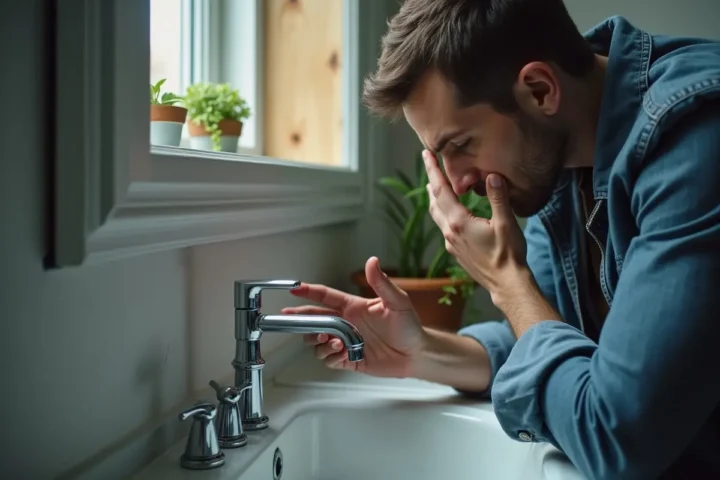
Meet the Tiny Screen That Controls Your Flow
Every bathroom faucet has a small mesh disc screwed onto its tip called an aerator. It mixes air into the water stream so it feels strong while actually using less water. This little part works hard every single day, and it rarely gets a second thought until it stops doing its job well.
Over time, minerals in your water settle inside that tiny screen. Calcium and magnesium form tiny crystals that pack into the mesh holes one layer at a time. It happens so gradually that you adjust without realizing it. You turn the handle a little further each week, and you barely notice the drop until washing your hands feels like it takes twice as long.
If you have already noticed that water pressure low in bathroom sink while every other fixture in the house seems normal, this buildup is usually the first thing worth checking. It is also the cheapest fix, since it rarely requires calling anyone in for help.
The Quick Test That Saves You a Service Call
Before assuming the worst, try this. Unscrew the aerator from the faucet tip by hand or with a cloth-wrapped wrench if it is stuck. Turn the water on without it attached. If the flow suddenly feels normal or even stronger, you have found your answer. The mesh screen was the bottleneck all along, not your pipes, your valve, or the city supply.
This simple test matters because it stops you from spending money fixing the wrong thing. Plenty of homeowners replace faucets or call plumbers before ever checking this five dollar part. It only takes a couple of minutes, and it gives you a clear answer instead of a guess, which is why it should always be the very first step whenever a bathroom faucet starts feeling sluggish.
Why Hard Water Makes This Worse Than You Think
If you live somewhere with hard water, this problem shows up faster and returns more often. Hard water carries a heavier load of dissolved minerals, and those minerals do not just clog aerators. They also coat the inside of pipes, showerheads, and water heaters over time, quietly shrinking the space water has to move through.
This is part of why so many households eventually look into softening their supply altogether, since treating hard water at the source cuts down on buildup throughout the entire home instead of fighting one clogged part at a time. It is a bigger investment, but it tends to pay off if you are constantly cleaning fixtures or noticing spots on your glassware too.
Think of it this way. Cleaning the aerator treats the symptom, while addressing hard water treats the cause. Neither choice is wrong, but knowing the difference helps you decide how much time and money you actually want to put into this problem long term.
Cleaning What You Already Have
If a full water treatment system is not in your plans right now, regular cleaning keeps things running smoothly. Soak the aerator parts in white vinegar for a few hours to dissolve the mineral crystals, then use an old toothbrush to scrub away anything left behind. This approach is one of the most reliable ways of cleaning a clogged faucet aerator, and it usually restores full flow without spending a cent on new parts.
Rinse everything well, reassemble the pieces in the order you removed them, and screw the aerator back on by hand. Doing this every few months, especially in hard water areas, keeps mineral buildup from sneaking back up on you.
When It Is Something Else Entirely
Sometimes cleaning does not solve it. If flow stays weak after the aerator test, the issue could be a worn faucet cartridge, a partly closed shut off valve under the sink, or genuine pressure trouble from your main supply line. These situations are still fixable, though they may call for a wrench, some patience, or a licensed plumber depending on how comfortable you feel with the job.
The good news is that most bathroom sink pressure problems start small and stay small if you catch them early. A five minute check on a tiny mesh screen can save you from an unnecessary repair bill and get your morning routine back to normal by tonight.
So the next time your faucet feels sluggish, resist the urge to assume the worst right away. Start small, check the simplest part first, and work your way up from there. Chances are, the fix is sitting in the palm of your hand.