Matte 4 X 4 Ceramic Tile vs Glossy 4 X 4 Ceramic Tile: Which Finish Survives High-Traffic Shower Floors Better?
Homeowners tackling a busy household bathroom often face a pivotal choice: should the shower floor use matte or glossy 4 X 4 Ceramic Tiles? The difference goes far beyond looks. Picture a family with multiple children or shared housing where the shower is in constant use throughout the day.
Choosing the wrong tile finish can mean slippery surfaces, visible wear, and a floor that doesn’t stand up to the demands of daily life. For high-traffic showers, the right finish determines not only safety but also how well the floor resists stains, watermarks, and routine wear. The core question is simple: which tile finish—matte or glossy—offers better performance under frequent foot traffic and constant moisture?
Comparing Slip Resistance Between Matte and Glossy Shower Floor Tiles
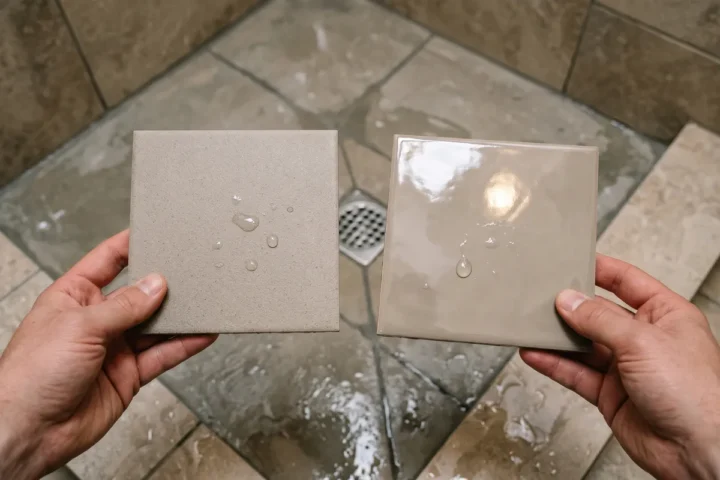
Slip resistance is the primary concern for any shower floor, especially in a home with children, seniors, or guests. The finish of a ceramic tile has a direct effect on how slippery it becomes when wet. A matte finish, which has a slightly textured surface, provides more grip underfoot, making it the preferred option for shower floors where water and soap residues are present. In contrast, a glossy finish creates a smooth, reflective surface that increases slipperiness as soon as moisture is introduced.
The importance of slip resistance in wet areas is well documented in building codes and safety guidelines for residential bathrooms. Many homeowners recall situations where a glossy tile led to a near-miss or actual fall, especially in high-traffic showers where water accumulates quickly. For spaces used by multiple people daily, the added traction of a matte finish can be a critical safety upgrade.
While both finishes can technically be used in shower floors, the matte vs glossy 4 X 4 Ceramic Tile debate often comes down to which finish delivers safer footing. In practice, matte tiles are consistently chosen for their superior grip in these environments.
Durability and Maintenance Requirements for High-Traffic Ceramic Surfaces
Durability becomes a central issue in showers that see frequent use. The finish on a ceramic tile influences its ability to resist scratches, wear, and visible dulling over time. For example, a high-gloss tile may showcase its shine on day one, but constant foot traffic and the presence of sand or grit can produce micro-abrasions, leading to a cloudy or scratched appearance.
By contrast, matte finishes are adept at hiding these small scratches and scuff marks, keeping the floor looking consistent even after repeated cleaning cycles. When evaluating 4 X 4 Ceramic Tile for a shower floor, homeowners often select a matte option specifically to combat the visual effects of heavy use. This type of tile remains an understated, reliable base for a busy shower environment.
Maintenance routines also differ. Glossy tiles show water spots, soap scum, and streaks more readily, often requiring more frequent cleaning to preserve their original look. Matte tiles, with their lower reflectivity, disguise buildup and smudges, making them less demanding on a day-to-day basis.
Water Absorption Rates and Grout Line Dynamics in Wet Environments
Ceramic tiles are prized for their low water absorption, but the finish and installation process have an impact on how well the floor performs in constant wet conditions. Tiles with a matte finish often feature a slightly rougher surface, which can interact with grout lines to provide additional water channeling and drainage. This quality is especially valuable in showers that experience frequent use and pooling water.
Glossy tiles, with their smooth faces, may shed water quickly but can also allow puddles to linger on the surface until properly sloped drains remove it. This can affect both safety and the potential for grout staining. Considering the role of grout in moisture management helps explain why tile choice is so important. Grout lines with matte tiles tend to stay cleaner and less slippery in high-traffic conditions, while glossy tiles may highlight any discoloration along these seams.
For remodelers working on bathrooms with heavy daily use, evaluating how tile and grout interact under wet, soapy conditions is a deciding factor for long-term performance.
Making the Final Selection for Long-Lasting Bathroom Remodels
Practical experience from contractors and homeowners shows that the finish decision often comes down to a balance between safety, appearance, and upkeep. While the glossy look appeals to those seeking a pristine, high-shine aesthetic, the realities of a busy family bathroom or shared living situation push many toward matte tiles for the shower floor. The choice is frequently shaped by the tile’s ability to stay slip-resistant, resist visible wear, and simplify cleaning routines.
For design continuity, some choose glossy tiles on walls and matte underfoot, ensuring visual interest without sacrificing function. The matte vs glossy 4 X 4 Ceramic Tile conversation often ends with a compromise: matte on the floor for safety and durability, and glossy as an accent or on vertical surfaces for visual pop.
Whichever finish is chosen, making sure the tile suits the specific demands of a high-traffic, always-wet environment is the best way to safeguard style and substance in a bathroom remodel.
Conclusion
When selecting floor tiles for a shower that sees heavy daily use, prioritize slip resistance and ease of maintenance. Opting for a matte finish on the shower floor is the most reliable way to ensure lasting safety and appearance, while still allowing creative use of glossy tiles elsewhere in the bathroom.