Floors That Make An Active Home Easier To Live In
A home that never changes often starts to feel tired long before anything is truly broken. Shoes come in wet after a walk, suitcases roll through the entry, pets race across the hallway, children drop bags near the door, and kitchen chairs scrape the same path every morning.
Flooring carries all of that movement quietly. It shapes how a room feels underfoot, how much cleaning the household needs, and whether the space still looks cared for after years of ordinary use. A good floor choice is less about chasing a showroom look and more about building a home that can handle real routines without becoming dull, fragile, or hard to maintain.
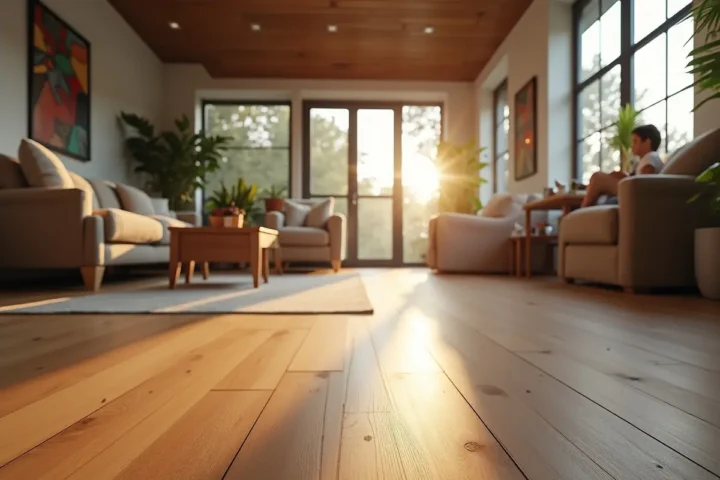
Better flooring starts with the way people move
Every household has traffic patterns, even if nobody has drawn them on paper. The entry collects grit, the kitchen gathers spills, the living room takes the most furniture movement, and bedrooms need a softer mood after the busier parts of the day. Homeowners comparing Flooring Contractors in Abbotsford, BC usually need help matching those daily paths with materials that suit the room rather than fighting it. A contractor can look at subfloor condition, moisture concerns, transitions, stair edges, and installation limits before the final surface is chosen. That early reading keeps the project grounded in the home’s actual use.
The entry should handle the outside world
The first few feet inside a home often work harder than any other part of the floor. Rain, dust, gravel, umbrellas, sports gear, grocery bags, and luggage all pass through the same area. A beautiful surface that marks easily or becomes slippery near the door can make the whole house feel less practical. Entry flooring needs grip, easy cleaning, and enough toughness to handle repeated use without looking neglected. It also has to meet the rest of the home with a transition that feels intentional. The goal is not to make the entry look separate from every other room but to give it the durability that daily arrivals demand.
Rooms need different kinds of comfort
A floor that feels right in a hallway may feel wrong in a bedroom, and a surface that works in a kitchen may sound too hard in a family room. Comfort is physical as much as visual. It includes warmth underfoot, sound, cleaning effort, furniture stability, and how the surface feels during long periods of standing or walking. This aspect is where many flooring decisions become more personal than people expect. A quiet bedroom may benefit from softness. A dining area may need resistance to chair movement. A basement may require careful attention to moisture. A good flooring plan respects those differences instead of forcing one material to solve every room.
Travel habits can shape flooring choices
People who enjoy weekends away, outdoor hobbies, beach days, camping trips, or road travel bring a little of those experiences back into the house. Sand hides in bags, boots carry mud, backpacks scrape corners, and laundry piles grow near practical rooms. Flooring should support that lifestyle without making the home feel like a storage zone. Durable surfaces near entries, easy-clean paths toward laundry areas, and finishes that tolerate active use can make the difference between a home that welcomes movement and one that feels delicate. The best flooring does not stop people from living fully. It makes the return home easier.
Details to decide before installation day
- Which rooms take the most foot traffic during a normal week.
- Where wet shoes, pets, luggage, or outdoor gear usually enter.
- Whether the subfloor needs repair before the new surface goes down.
- How flooring transitions will meet stairs, hallways, and doorways.
- Which cleaning routine the household will realistically keep.
Color should work after the first month
Flooring color is easy to love in a sample and harder to judge across a whole room. Very dark surfaces can show dust and paw marks quickly. Very pale tones may reveal scuffs in busy entries. Strong grain patterns can hide daily wear but may compete with cabinets, rugs, or furniture. The best color choice usually comes from studying the room at different times of day, beside real wall paint, trim, and natural light. A surface should still feel good after shoes, sunlight, and furniture have made it part of daily life. A thoughtful contractor can also explain how finish, texture, plank width, and installation direction affect the final look.
Installation quality changes how long the floor feels new
Even a strong flooring material can disappoint if you rush the installation. Uneven subfloors, poor transitions, weak edge details, inadequate moisture preparation, or careless cuts around vents and corners can make a new surface feel unfinished. Flooring work should be planned as a whole-room project, not just a product swap. Furniture moving, baseboards, door clearance, stairs, underlayment, acclimation, and cleanup all affect the result. Homeowners should know what to expect before, during, and after the work, including which rooms will be unavailable and how long the surface needs to cure before normal use. Clear planning helps the home feel cared for instead of disrupted.
A livelier home needs floors that keep up
A less boring home is not always filled with brighter colors or bolder furniture. Sometimes it is a house where people can cook, host, return from trips, work, rest, and move through rooms without constantly worrying about marks, noise, moisture, or awkward transitions. Flooring supports that freedom in a quiet way. It gives the entry more patience, the kitchen more resilience, the living room more warmth, and the bedrooms more comfort. When the material, color, installation, and maintenance needs match the household’s real pace, the floor stops being a fragile backdrop. It becomes part of a home that feels ready for ordinary days and better ones.