How Las Vegas Homeowners Can Keep HVAC Systems Ready for Extreme Heat
Las Vegas summers place serious demands on home cooling equipment. When outdoor temperatures remain high for days at a time, an air conditioner may need to run longer just to maintain a safe, comfortable indoor temperature.
Planning ahead can reduce avoidable strain and help homeowners identify problems before the hottest days arrive. It can also make it easier to schedule routine service before local HVAC companies become especially busy during periods of sustained extreme heat.
While homes and businesses have different comfort needs, the basic principles behind reliable cooling are similar. Homeowners can benefit from the same attention to airflow, electrical performance, and routine upkeep involved in commercial HVAC installation and repair, especially when preparing for prolonged desert heat. In both settings, comfort depends on equipment that can move air effectively, remove indoor heat, and operate without avoidable restrictions.
Why Desert Heat Puts Extra Pressure on HVAC Systems
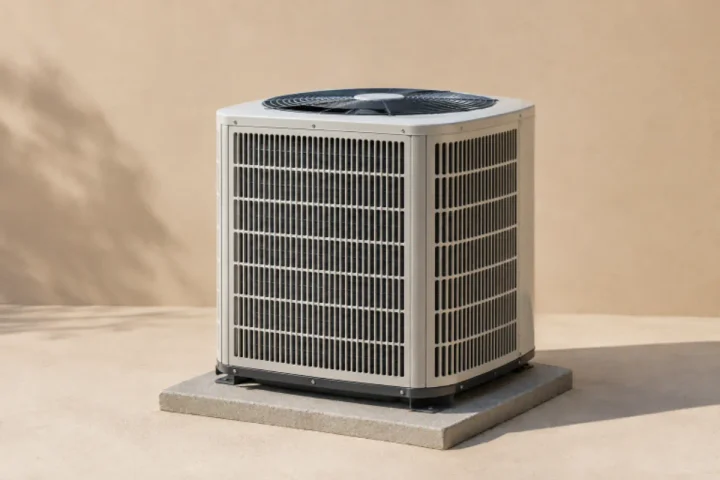
An air conditioner moves heat out of the home through its outdoor condenser. In extreme heat, that equipment must release indoor heat into already-hot outdoor air, making the cooling process more difficult. Compressors, capacitors, blower motors, and electrical connections may all work harder during long cooling cycles.
Long run times do not automatically mean an HVAC system has failed. During a severe heat event, a properly operating system may run for much of the day. The concern is whether the home continues to warm, airflow weakens, or the system begins cycling on and off repeatedly. Indoor heat from cooking, laundry appliances, electronics, sunlight through windows, and frequent door openings can also increase the cooling load. Reducing those sources where practical can support more consistent indoor comfort.
Start With a Simple Home HVAC Check
Before peak summer weather, complete a basic visual and comfort check. This can reveal simple issues that should be addressed before they affect cooling performance. It is helpful to make notes as you inspect the home, particularly if a room has been uncomfortable in previous summers. Clear observations can help a technician diagnose a recurring issue more efficiently.
- Make sure supply vents are open and not blocked by rugs, furniture, or curtains.
- Listen for rattling, grinding, buzzing, or other unfamiliar sounds.
- Look for water near the indoor unit, drain line, or surrounding floor.
- Check that the thermostat display appears accurate and responds normally.
- Walk through the home and note rooms with noticeably weak airflow or higher temperatures.
- Inspect the area around the outdoor unit for weeds, dust buildup, leaves, or stored items.
Do not remove electrical panels, handle refrigerant, or attempt repairs that require specialized tools. Those tasks should be left to a qualified HVAC professional.
Replace Filters Based on Home Conditions
A dirty air filter can restrict airflow, making the system work harder to circulate cooled air. Checking the filter monthly during periods of heavy use is a sensible starting point. Homes with pets, frequent dust, allergy concerns, recent construction, or wildfire smoke exposure may need more frequent changes. A filter that appears gray or is loaded with debris before its expected replacement date may indicate that the household needs a more frequent inspection schedule.
Use the filter size specified for the equipment, and avoid assuming that the highest-rated filter is always the best choice. Some highly restrictive filters may reduce airflow if the system was not designed for them. When in doubt, follow the equipment manual or ask a technician which filter type is appropriate. Install the filter in the direction indicated by the airflow arrow on its frame, and ensure it fits securely with no gaps around the edges.
Keep the Outdoor Unit Clear and Cool
The outdoor condenser needs room to move air across its coils and release heat. Keep plants, boxes, yard tools, and other objects away from the unit. Remove loose debris from the ground nearby, but avoid bending the delicate metal fins or spraying internal electrical components.
Do not place a cover over an air conditioner while it is operating. A cover can restrict airflow and trap heat around the unit. If coils appear heavily coated with dust, professional cleaning may be the safest approach. Avoid placing decorative screens or structures too close to the condenser unless they are designed and installed with the equipment’s required clearances in mind.
Improve Indoor Air Quality During Hot Weather
Windows often stay closed during intense heat, dust events, smoke, or poor outdoor air conditions. Checking local air quality conditions before opening windows can help households decide when outdoor ventilation is less desirable. Kitchen and bathroom exhaust fans can still be useful for removing moisture, odors, or cooking pollutants.
Keep return-air grilles clean and uncovered so the HVAC system can pull air through the home properly. Regular floor and surface cleaning can also reduce indoor dust. Portable air cleaners may be useful in occupied rooms for people with respiratory sensitivities, provided their filters are maintained according to the manufacturer’s instructions. When using portable equipment, keep cords and units positioned where they do not create a tripping hazard or block a pathway.
Use the Thermostat Without Overworking the System
- Choose a stable temperature setting instead of making frequent, large adjustments.
- Use thermostat schedules to avoid unnecessary cooling when the home is empty.
- Close blinds or shades during the sunniest part of the day to reduce solar heat gain.
- Use ceiling fans to improve comfort, but turn them off in unoccupied rooms.
- Avoid setting the thermostat extremely low to cool the home faster.
A thermostat setting tells the system when to stop cooling. It does not make the equipment cool faster than its capacity allows. If household members have different comfort preferences, use fans, window coverings, and appropriate clothing to address minor differences before making repeated thermostat changes throughout the day.
Know the Difference Between Normal Strain and a Warning Sign
Possible Signs of a Developing Problem
- The system runs almost constantly, but indoor temperatures keep rising.
- One room is consistently mush hotter than the rest of the home.
- Several vents have weak airflow.
- The equipment short-cycles, turning on and off in rapid bursts.
- Water collects near indoor HVAC equipment.
- New grinding, buzzing, rattling, or burning odors appear.
- Electric costs rise sharply without a clear change in household use.
These symptoms can involve airflow restrictions, duct leaks, drainage issues, electrical parts, insulation gaps, refrigerant concerns, or equipment sizing. A professional evaluation is more reliable than guessing at the cause. If there is a burning smell, visible smoke, or repeated breaker tripping, turn the system off if it is safe to do so and seek qualified assistance promptly.
Build a Seasonal HVAC Maintenance Plan
- Before summer: Check filters, clear the outdoor unit, and address warning signs.
- During peak heat: Monitor airflow, indoor temperatures, unusual sounds, and drainage.
- After summer: Review energy use and note rooms that struggled to stay comfortable.
- Before winter: Test heating equipment before the first cold night and keep vents open.
- Once each year: Review equipment age, repair history, comfort concerns, and operating costs.
Keeping a simple record of filter changes, service visits, repairs, and comfort concerns can be useful over time. This information helps homeowners recognize patterns and gives technicians additional context when evaluating the system.
When Repairs May Be Better Than Replacement
A replacement decision should not be based on age alone. Consider the condition of the equipment, the frequency of recent repairs, the availability of replacement parts, comfort issues, energy performance, and how long you expect to remain in the home.
Before selecting a new system, request an assessment that considers cooling load, ductwork, insulation, and room-by-room comfort needs. A system that is oversized or undersized for the home can create comfort problems even when the equipment itself is new.
Prepare for a Cooling Emergency
Keep spare filters, charged phones, drinking water, and portable fans available during severe heat. Write down the HVAC model and serial numbers, and know the location of the system shutoff and electrical breakers. Households should also have a plan for older adults, young children, pets, and anyone with medical conditions that make heat exposure more dangerous.
Identify a nearby air-conditioned public location before an outage occurs. Following local emergency guidance and maintaining a basic household heat plan can make a system failure less disruptive. If cooling is lost, close blinds, limit use of heat-producing appliances, drink water regularly, and check on vulnerable household members until a safe cooling option is available.
Common HVAC Mistakes to Avoid
- Waiting until airflow is weak before checking the filter.
- Blocking supply vents or return grilles with furniture.
- Allowing shrubs or stored items to crowd the outdoor unit.
- Opening windows when outdoor dust, smoke, or pollution is a concern.
- Attempting electrical or refrigerant repairs without proper training.
- Assuming that a larger HVAC system will always provide better comfort.
Conclusion
A reliable HVAC plan starts before the first extreme heat warning. Regular filter checks, cleaning outdoor equipment, sensible thermostat use, and early attention to comfort issues can help Las Vegas homeowners stay safer and more comfortable throughout the summer.
Small maintenance steps can make cooling performance more predictable when it matters most. By monitoring changes in airflow, temperature, drainage, and equipment noise, homeowners can address emerging issues before they become larger disruptions.