Essential Roofing and Exterior Upgrades for Your Home
Your home is likely your biggest investment. Its exterior plays a huge role in protecting that investment. It also creates the first impression for anyone visiting.
Here in Southeast Michigan, our homes face tough weather. From summer storms to harsh winter freezes, your roof, siding, and gutters work hard. Keeping them in top shape is not just about looks. It’s about saving money on energy bills and preventing costly damage.
This extensive guide will help you understand essential exterior home improvements. We will explore the most valuable upgrades for increasing property value. We’ll also show you how to pick the right materials and find trustworthy contractors.
From understanding roof replacement to handling storm damage, we’ve got you covered. By the end, you’ll feel confident in your next exterior project, whether it’s a small repair or a full home renovation. Finding a reliable home remodeling company is the first step to a successful project.
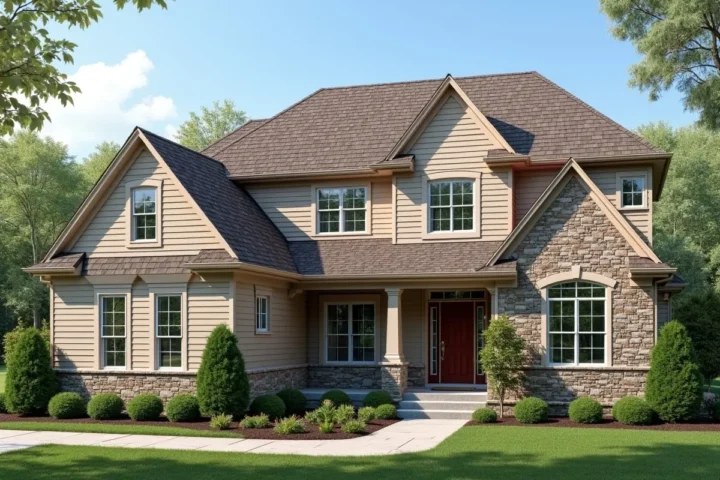
Planning Your Roofing and Exterior Home Improvements for Maximum ROI
When considering exterior home improvements, the primary goal for many homeowners is to enhance property value and ensure long-term protection. Especially in regions like Southeast Michigan and Metro Detroit, where weather conditions can be challenging, strategic upgrades are crucial. Investing wisely in your home’s exterior can yield significant returns, both in terms of financial value and improved quality of life.
The concept of Return on Investment (ROI) is central to planning any major home project. While aesthetic appeal is important, prioritizing upgrades that offer functional benefits, energy efficiency, and structural integrity often leads to the highest ROI. These improvements not only make your home more attractive to potential buyers in the future but also provide immediate benefits through reduced maintenance and lower utility costs.
Why Combine Roofing and Exterior Home Improvements?
Many homeowners approach exterior renovations as isolated projects, tackling a new roof one year and new siding a few years later. However, combining multiple exterior projects, such as roofing and siding replacement, offers several compelling advantages.
Firstly, project bundling can lead to substantial labor savings. Contractors often provide discounts when undertaking a larger scope of work, as it allows them to maximize crew efficiency and minimize travel time. This means you might pay less per project than if you hired separate teams for each task. Secondly, construction efficiency is significantly improved. With a single team managing multiple components, coordination is seamless, and the overall project timeline can be shorter. This reduces the disruption to your daily life, as crews are on-site for a consolidated period.
Beyond cost and time savings, combining projects ensures a cohesive design. Your roof, siding, gutters, and windows are all visible elements of your home’s exterior. By planning them together, you can select materials and colors that complement each other perfectly, enhancing your home’s curb appeal and creating a unified aesthetic.
This coordinated approach also optimizes weatherproofing. When a new roof, siding, and gutters are installed simultaneously, they form a complete, integrated system that offers superior protection against the elements. Each component works in harmony to shed water, insulate your home, and resist wind damage, providing a more robust defense than individual upgrades.
Budgeting for Roofing and Exterior Home Improvements
Major exterior home improvement projects represent a significant financial commitment. Effective budgeting is essential to ensure your renovation goals are met without undue financial strain. The first step is to get detailed, itemized quotes from reputable contractors. These quotes should break down material costs, labor, permits, and any potential contingencies.
For project financing, homeowners have several options. Many choose to utilize home equity through a home equity line of credit (HELOC) or a home equity loan. These options often offer competitive interest rates because they are secured by your home. Personal loans are another possibility, though they typically come with higher interest rates and shorter repayment terms. Some contractors also offer in-house financing solutions, sometimes with attractive introductory rates.
If a full overhaul isn’t immediately feasible, consider phased renovations. This approach allows you to tackle the most critical projects first, such as a failing roof, and then address other improvements like siding or windows in subsequent years. This spreads the cost over time, making large projects more manageable.
When planning your budget, remember to factor in potential cost estimation variables like material upgrades, unexpected repairs (e.g., discovering damaged decking during a roof replacement), and permit fees. A common industry practice is to include a contingency fund of 10-15% of the total project cost for unforeseen circumstances.
Selecting the Right Materials for Michigan Climates
Choosing the right materials for your exterior home improvements is paramount, especially when considering the unique climatic challenges of Michigan. Our region experiences significant temperature fluctuations, heavy snowfall, ice, and strong winds, all of which can take a toll on your home’s exterior. Material selection should prioritize material durability, resistance to freeze-thaw cycles, wind resistance, and effective moisture protection.
High-quality materials are designed to withstand these conditions, preventing premature wear, leaks, and structural damage. Investing in durable products not only protects your home but also reduces the need for frequent repairs and maintenance, saving you money and hassle in the long run.
Siding Materials for Every Budget and Climate
Siding is more than just an aesthetic choice; it’s a critical protective layer for your home. The right siding material will offer durability, insulation, and curb appeal tailored to your budget and the Michigan climate.
- Vinyl Siding: This is a popular choice due to its affordability, low maintenance, and wide range of colors and styles. Modern vinyl siding is engineered to be more rigid and fade-resistant, offering good protection against moisture and moderate wind. It’s a cost-effective option for many homeowners.
- Fiber Cement Siding: Brands like James Hardie are renowned for fiber cement siding. This material is incredibly durable, resistant to rot, pests, fire, and extreme weather, including hail and high winds. It can mimic the look of wood, stucco, or masonry and holds paint exceptionally well. While more expensive than vinyl, its longevity and low maintenance often justify the investment.
- Engineered Wood Siding: Products such as LP SmartSide offer the aesthetic appeal of traditional wood siding without the susceptibility to rot and insect damage. Made from wood strands and fibers blended with resin, wax, and zinc borate, it’s highly durable and impact-resistant. It provides excellent insulation and is a strong contender for those seeking a natural wood look with enhanced performance.
Each material offers distinct benefits, and the best choice depends on your priorities for durability, appearance, and budget.
| Siding Material | Cost (Relative) | Durability | Maintenance | Insulation Value | Climate Suitability (MI) |
| Vinyl Siding | Low | Good | Low | Moderate | Good |
| Engineered Wood | Medium | Excellent | Low | Good | Excellent |
| Fiber Cement | High | Superior | Low | Moderate | Excellent |
Effective water management is a cornerstone of protecting your home’s foundation and overall structure. Gutters play a vital role in diverting rainwater and snowmelt away from your home. When gutters fail, water can pool around the foundation, leading to serious issues like basement flooding, foundation cracks, and landscape erosion.
Seamless gutters are custom-fabricated on-site to fit your home precisely, eliminating the seams found in traditional sectional gutters. These seams are common points of failure, where leaks and clogs often occur. By removing them, seamless gutters offer superior performance, a cleaner aesthetic, and significantly reduced maintenance. They ensure water flows smoothly and efficiently away from your home, protecting your siding, fascia, and foundation.
To further enhance water management and minimize maintenance, consider gutter guards. These systems are designed to prevent leaves, twigs, and other debris from entering your gutters while still allowing water to flow freely. Gutter guards reduce the frequency of gutter cleaning, prevent clogs that can lead to overflows, and mitigate the risk of ice dams. Ice dams form when melting snow refreezes at the gutter edge, causing water to back up under the roof shingles and into your home. Gutter guards help maintain proper drainage, reducing the conditions that lead to ice dam formation.
What to Expect During a Professional Roof Replacement
A roof replacement is one of the most significant exterior home improvement projects you can undertake. Understanding the process can help alleviate concerns and ensure a smooth experience. A professional roof replacement typically involves several key stages, from initial inspection to final cleanup.
The process usually begins with a thorough inspection of your existing roof to assess its condition and identify any underlying issues. Once the project is scheduled, the first major step is the tear-off of the old roofing materials. This involves removing all existing shingles, underlayment, and flashing down to the roof deck. This allows for a complete examination of the decking. Any damaged or rotted plywood or OSB sheets will be replaced to ensure a solid foundation for the new roof.
Next, new underlayment (often synthetic for superior protection), ice and water shield in vulnerable areas (like eaves and valleys), and new flashing around chimneys, vents, and skylights are installed. Proper ventilation is also critical; your contractor will ensure adequate intake and exhaust vents are in place to prevent heat and moisture buildup in the attic, which can extend the life of your new roof and improve energy efficiency. Finally, the new shingles or roofing material are installed according to manufacturer specifications.
Throughout the project, a reputable contractor will prioritize safety and property protection. Daily cleanup is standard practice, and many use magnetic sweeps on driveways and landscaping to collect stray nails and metal debris, ensuring a safe environment for your family and pets. For comprehensive information on roofing and solar-panel services, you might find resources from a trusted provider beneficial.
Signs Your Roof Needs Repair or Replacement
- Shingle Damage: Look for missing, cracked, curled, or buckling shingles. These indicate that your shingles are deteriorating and losing their effectiveness.
- Roof Leaks: Water stains on your ceilings or walls, especially after rain or snowmelt, are clear indicators of a roof leak. These can originate from damaged flashing, cracked shingles, or compromised underlayment.
- Granule Loss: If you notice a significant amount of shingle granules in your gutters or downspouts, it means your shingles are losing their protective top layer, reducing their ability to reflect UV rays and protect against the elements.
- Sagging Roof: A visible sag or dip in your roofline can indicate structural damage to the decking or rafters, often due to prolonged moisture exposure or heavy loads like snow.
- Roof Age: Most asphalt shingle roofs have a lifespan of 20-30 years. If your roof is approaching or has exceeded this age, even without obvious damage, it’s wise to have it inspected for potential replacement.
Navigating Storm Damage and Insurance Claims
Michigan’s weather can be unpredictable, and storm damage to your roof is a common occurrence. High winds can lift and tear shingles, while hail impact can cause bruising or cracks that compromise the integrity of your roofing materials. If your home has been affected by a storm, understanding how to navigate insurance claims is critical.
The first step is to contact a reputable local contractor specializing in storm damage. They can perform a forensic inspection of your roof, using advanced techniques like drone imagery and thermal scans to identify all damage, including issues not visible from the ground.
This detailed documentation is invaluable when filing your claim. Many experienced contractors work directly with insurance adjusters, helping to ensure that all damage is properly assessed and that you receive a fair settlement. They can assist with the entire process, from initial inspection to final repairs, ensuring your roof is restored to its pre-storm condition or better.
Choosing a Qualified Contractor in Metro Detroit
Selecting the right contractor for your roofing and exterior home improvements is arguably the most critical decision in the entire process. A qualified professional ensures quality workmanship, uses appropriate materials, and stands behind their work. In a competitive market like Metro Detroit, knowing what to look for can make all the difference.
Prioritize contractors with strong local expertise. They understand the specific building codes, weather patterns, and architectural styles prevalent in the area, allowing them to recommend the most suitable solutions for your home. Always verify their credentials: ensure they hold the necessary licensing for your state and locality, are adequately bonded (which protects you if the contractor fails to complete the job), and carry comprehensive insurance (general liability and workers’ compensation) to protect you from liability in case of accidents on your property.
Furthermore, inquire about their workmanship warranties. A contractor confident in their work will offer a solid warranty on their installation, separate from the manufacturer’s material warranty. This provides peace of mind, knowing that if any issues arise due to installation errors, they will be covered. Look for companies with a long-standing reputation, positive customer reviews, and a track record of successful projects in your community.
Essential Certifications and Warranties to Look For
When vetting contractors, specific certifications and warranties serve as powerful indicators of quality and reliability. These demonstrate a contractor’s commitment to excellence and their ability to provide superior products and services.
Manufacturer certifications are crucial. Leading roofing and siding material manufacturers, such as GAF and Owens Corning, offer specialized programs for contractors who meet stringent standards. For example, a GAF Master Elite contractor is among the top 2% of roofers in the country, having met high criteria for professionalism, experience, and training.
Similarly, an Owens Corning Platinum Preferred contractor is part of an elite network that can offer exclusive warranties and services. These certifications mean the contractor is factory-trained, uses best practices, and can offer enhanced, non-prorated material warranties that are often transferable.
Beyond material warranties, always seek strong workmanship warranties. While manufacturers guarantee their products, the contractor guarantees the installation. A reputable contractor will offer a substantial workmanship warranty (e.g., 5, 10, or even 25 years) that covers any issues arising from their installation process.
Some elite contractors even offer lifetime protection warranties that cover both materials and labor for the entire lifespan of the roof, providing unparalleled peace of mind. These comprehensive warranties are a testament to the contractor’s confidence in their craftsmanship and the quality of their materials.
Frequently Asked Questions About Exterior Upgrades
Homeowners often have many questions when planning major exterior upgrades. Addressing these common homeowner concerns can help you feel more confident about your project. From understanding project timelines to effective maintenance tips, here are answers to some frequently asked questions.
What exterior improvement adds the most value to a home?
While many exterior improvements enhance a home’s appeal, roof replacement and siding upgrades consistently top the list for delivering the highest return on investment (ROI). A new roof not only provides critical protection but also significantly boosts curb appeal and signals to potential buyers that the home is well-maintained.
Similarly, updated siding dramatically improves aesthetics, offers enhanced insulation, and protects the home’s structure. These projects are considered foundational improvements that contribute to both the functionality and visual appeal of your home, making them attractive to buyers and increasing resale value.
How do I choose the right roofing and siding contractor?
Choosing the right contractor involves thorough research and due diligence. Start by looking for contractors with strong local reviews and testimonials. Check independent review sites and the Better Business Bureau. Ensure they have a physical business address, not just a P.O. box, which suggests a more established presence. Demand transparent pricing with detailed, itemized quotes that clearly outline all costs and materials.
Be wary of unusually low bids, which might indicate hidden costs or substandard materials. Finally, consider contractors who emphasize owner supervision or dedicated project managers on every job site, as this often leads to higher quality control and accountability.
How often should a roof be replaced in Michigan?
The lifespan of a roof in Michigan can vary significantly depending on the material, installation quality, and exposure to weather elements. For standard asphalt shingles, you can generally expect a roof lifespan of 20 to 30 years. However, Michigan’s harsh winters, heavy snow loads, ice dams, and strong winds can accelerate weather wear.
Regular maintenance, including annual inspections, can help extend your roof’s life. If your roof is approaching or exceeding 20 years, or if you notice significant signs of wear and tear, it’s prudent to have a professional inspection to determine if replacement is necessary. Being proactive can prevent more extensive and costly damage to your home’s interior.
Conclusion
Investing in your home’s exterior is a strategic decision that offers both immediate benefits and long-term value. From enhancing curb appeal and energy efficiency to providing critical protection against Michigan’s challenging weather, roofing and exterior home improvements are a cornerstone of responsible homeownership. By understanding the most valuable upgrades, selecting durable materials, and partnering with qualified contractors, you can ensure your home remains a safe, beautiful, and valuable asset for years to come.
Prioritizing these projects is more than just an expense; it’s a long-term investment in your property. The peace of mind that comes from knowing your home is well-protected, coupled with the potential for increased property value, makes these upgrades truly worthwhile. Take the time to plan carefully, choose wisely, and enjoy the lasting benefits of a well-maintained and beautifully upgraded home exterior.