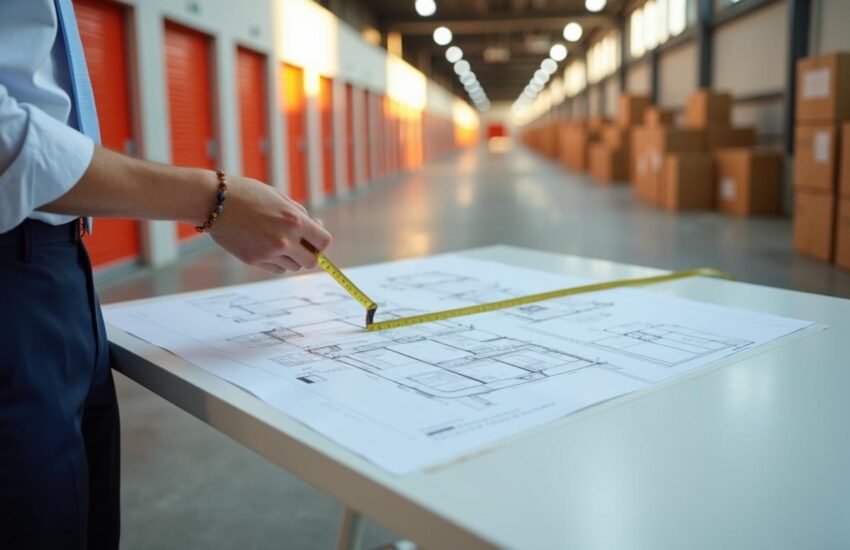
Enhancing Corporate Environments: Breakroom Solutions and Commercial Furnishings
The world of corporate and commercial spaces is undergoing a significant transformation. As of August 2026, businesses increasingly recognize that their physical environment directly impacts productivity, employee well-being, and overall success. A thoughtfully designed workspace is no longer just a cost; it’s a strategic asset for attracting talent and fostering innovation.
This extensive guide will explore the multifaceted realm of corporate and commercial properties. We will delve into various property types, from dynamic office buildings to versatile flex spaces and bustling retail plazas. We’ll also cover critical aspects like zoning laws, lease structures, and the financial considerations vital for shrewd investment.
Beyond the brick and mortar, we will examine how modern workplace design and strategic building infrastructure contribute to employee retention and operational efficiency. We will highlight the importance of creating environments that truly support a thriving workforce, touching on everything from location strategy to essential amenities like tailored breakroom solutions. Join us as we navigate the complexities and opportunities within this evolving landscape, offering insights to help you optimize your commercial footprint.
Navigating Categories and Transactions in Corporate and Commercial Spaces
Understanding the diverse landscape of corporate and commercial spaces is the first step toward making informed real estate decisions. These properties, designed to generate profit through business operations, capital gains, or rental income, encompass a wide array of building types, each with unique characteristics and demands. Furthermore, the process of acquiring or leasing these spaces involves a structured transaction framework, from initial intent to final closing.
Subcategories of Commercial Real Estate
Commercial real estate is broadly categorized to reflect its primary use and operational requirements. While definitions can vary, we typically consider six main categories: office buildings, retail spaces, industrial properties, multifamily residential (when five or more units), land, and special-purpose properties.
Within these broad categories, numerous subcategories cater to specific business needs:
- Office Buildings: These are central to many corporate operations. They range from high-rise corporate headquarters in central business districts, like those found in Midtown Manhattan, to suburban office parks. Subcategories include:
- Medical or Dental Office Suites: These often require specialized infrastructure, such as multiple plumbing distribution points and custom exam room layouts, distinguishing them from standard office spaces.
- Corporate Suites or Condominiums: These are individual units within a larger office building, where tenants might maintain interior elements while the building owner manages common areas.
- TAMI (Technology, Advertising, Media, Information) Sector Offices: Businesses in this sector often seek creative, open-concept spaces, perhaps in historic loft buildings, to foster collaboration and innovation.
- FIRE (Financial, Insurance, Real Estate, Legal) Sector Offices: Firms in these industries typically prefer more traditional, segmented offices that offer privacy for confidential client discussions and project a high-end, professional aesthetic.
- Retail Properties: These spaces are designed for businesses selling goods or services directly to consumers.
- Malls and Shopping Centers: Large complexes housing multiple retail establishments.
- Pad Sites: Standalone commercial buildings, such as fast-food restaurants or banks, often located on the perimeter or within larger shopping centers.
- Big-Box Retail Stores: Large, freestanding retail buildings typically found in open-storefront shopping centers.
- Industrial Properties: Essential for manufacturing, storage, and distribution.
- Manufacturing Facilities: Ranging from light assembly to heavy industrial operations, requiring specific infrastructure like heavy electrical distribution or specialized machinery.
- Warehouses: Large spaces for storage and logistics, with increasing demand driven by e-commerce.
- Flex Spaces: These properties uniquely combine multiple uses, often integrating a higher proportion of office space with light manufacturing, warehouse, or research and development areas under one roof.
- Special-Purpose Buildings: These are designed for a very specific use and are often difficult to repurpose without significant renovation. Examples include casinos, churches, schools, airports, and bowling alleys.
- Multi-Use Properties: These combine commercial and residential spaces within a single structure, common in urban environments where ground-level retail might be paired with corporate offices and residential units on upper floors.
When evaluating any of these corporate and commercial spaces, it’s crucial to assess specific infrastructure requirements, potential for customization, and how the space aligns with the operational needs and brand identity of the business.
Zoning Laws, Leases, and Strategic Site Selection
The effective use and development of corporate and commercial spaces are profoundly shaped by zoning laws, regulatory frameworks, and strategic site selection. These elements are non-negotiable considerations for any business or investor.
Zoning Laws and Regulations
Local zoning ordinances dictate how land can be used, controlling everything from building height and density to permitted activities. These laws are designed to manage urban development, separate incompatible land uses, and ensure public welfare. For commercial properties, zoning regulations determine whether a site can host an office building, a retail store, an industrial facility, or a mixed-use development.
Before any construction or significant renovation, businesses must conduct thorough zoning reviews to ensure compliance. Obtaining necessary approvals from bodies like the Board of Zoning Appeals is often a prerequisite for development, and municipalities may even attach deed restrictions or performance requirements to property sales, such as mandating Certificates of Occupancy within a certain timeframe. Ignoring these regulations can lead to costly delays, fines, or even the inability to operate.
Commercial Leases: Unlike residential leases, commercial leases are typically longer-term, often ranging from 5 to 10 years. This extended duration provides stability for both landlords, ensuring a steady income stream, and tenants, who can amortize their build-out costs and establish a long-term business presence. Key differences from residential leases include:
- Negotiability: Commercial leases are highly negotiable, covering aspects like rent escalations, tenant improvement allowances, maintenance responsibilities, and renewal options.
- Complexity: They are more complex, often including detailed clauses on use restrictions, signage, common area maintenance (CAM) charges, and insurance requirements.
- Tenant Improvements: Landlords may offer standard office installations or build-out allowances, especially for leases of five years or longer, allowing tenants to customize the space to their specific needs.
- Due Diligence: Prior to signing, comprehensive due diligence is critical, covering financial statements, rent rolls, vendor contracts, physical and environmental conditions, and zoning rules.
Strategic Site Selection
Choosing the right location is paramount for the success of any commercial venture. The ideal site for corporate and commercial spaces depends heavily on the business type, target audience, and operational requirements. Key factors to consider include:
- Commute and Accessibility: Proximity to major transportation hubs, highways, and public transit (e.g., CTA Pink/Green lines, Rapid Metro) is vital for employee and client access. A location that is easily reachable minimizes commute times and broadens the talent pool.
- Industry Geographic Clustering: Many industries benefit from locating near similar businesses or client networks. For example, law firms often choose downtown areas near courthouses, while tech startups might gravitate towards creative districts.
- Visibility and Foot Traffic: For retail businesses, high visibility and pedestrian traffic are crucial. Pad sites adjacent to commercial plazas or ground-level retail in mixed-use developments capitalize on these factors.
- Local Demographics: Understanding the local population’s income levels, age, and preferences helps determine the viability of a commercial venture in a specific area.
- Amenities and Infrastructure: Access to amenities like dining, fitness centers, and other services enhances employee satisfaction and attracts clients. Robust digital connectivity, often measured by certifications like WiredScore Platinum, is increasingly essential for modern businesses.
The transaction process for corporate and commercial spaces typically begins with a Letter of Intent (LOI), outlining the major terms of a prospective offer. This is followed by a more detailed Purchase and Sale Agreement (PSA), which includes contingency clauses and due diligence timelines.
Thorough due diligence, covering financial, legal, and physical aspects, is essential before closing the deal. This meticulous approach ensures that all parties understand the commitments and risks involved, paving the way for a successful commercial property acquisition or lease.
Financial Dynamics and Market Trends Shaping Commercial Properties
The financial landscape and evolving market trends significantly influence the valuation, investment strategies, and demand for various corporate and commercial spaces. Investors and businesses must navigate complex financial considerations and adapt to dynamic market shifts to ensure long-term success.
The total value of commercial property in the United States was approximately $6 trillion in 2018. However, recent years have introduced significant volatility. As of August 2026, more than $160 billion of commercial properties in the United States are currently in default, foreclosure, or bankruptcy, indicating considerable financial stress in certain sectors. In Europe, approximately half of the €960 billion of debt backed by commercial real estate is expected to require refinancing in the next three years, posing a substantial challenge for the market.
Market confidence has also seen fluctuations. As of April 2025, commercial real estate confidence experienced its sharpest drop since the COVID-19 pandemic, with positive sentiment falling from 126.5% in the latter half of 2024 to 87.9%. These statistics underscore the need for robust financial planning and a keen awareness of market dynamics.
Key Financial Considerations for Investing in Commercial Real Estate:
- Cash Inflows and Outflows: Investors must meticulously project rental income, operating expenses (including property taxes, insurance, and maintenance), and potential capital expenditures. The timing and probability of tenant lease renewals are critical factors in assessing future cash flows.
- Risk Assessment: Evaluating market volatility, interest rate fluctuations, and tenant creditworthiness is essential. The current climate, with significant properties in default, highlights the importance of thorough risk analysis.
- Valuation Trends: Understanding how market indexes and economic indicators impact property values is crucial for capital gains potential.
- Debt Refinancing: For properties with existing debt, the ability to refinance at favorable rates is a major consideration, especially given the substantial European debt expected to require refinancing.
Market Trends Affecting Demand:
- The Rise of E-commerce: This trend has dramatically reshaped the retail and industrial sectors. While traditional brick-and-mortar retail has faced challenges, the demand for industrial properties, particularly warehouses and distribution centers, has surged. Businesses need efficient logistics hubs to support online sales, leading to increased investment in large-scale industrial facilities.
- Hybrid Work Models: The widespread adoption of hybrid work models has had a profound impact on office demand. While office leasing volume rose in 2024 to its highest level since 2020, roughly 60% of active office leases went into effect prior to the pandemic. This suggests a potential mismatch between existing lease structures and current occupancy needs. Many companies are re-evaluating their office footprints, prioritizing flexible layouts, collaborative spaces, and amenities over traditional, dense office configurations. This shift is driving demand for highly amenitized, adaptable corporate and commercial spaces that can serve as compelling destinations for employees.
- Focus on Employee Experience: To entice employees back to the office, companies are investing in premium amenities, advanced technology, and well-designed environments. This includes hospitality-grade common areas, fitness centers, curated food and beverage options, and outdoor spaces. This trend directly influences the attractiveness and value of commercial properties.
These financial dynamics and market trends necessitate a strategic and adaptive approach to investing in and managing corporate and commercial spaces.
Wellness and Sustainability Benchmarks in Corporate and Commercial Spaces
In the evolving landscape of corporate and commercial spaces, sustainability and wellness are no longer mere buzzwords but critical benchmarks that significantly impact property value and attractiveness. As of August 2026, tenants and investors alike prioritize buildings that demonstrate a commitment to environmental responsibility and occupant well-being.
Sustainability Certifications (e.g., LEED)
LEED (Leadership in Energy and Environmental Design) certification, developed by the U.S. Green Building Council, is a globally recognized standard for green building. It provides a framework for healthy, highly efficient, and cost-saving green buildings. Achieving LEED Platinum or Gold certification indicates a building’s superior performance in areas such as:
- Energy Efficiency: Utilizing advanced HVAC systems, smart building management systems (BMS), and energy-efficient lighting.
- Water Conservation: Implementing water-saving fixtures and systems, with some buildings even achieving LEED Zero Water certification.
- Sustainable Materials: Using recycled, locally sourced, and low-VOC (volatile organic compound) materials.
- Waste Reduction: Implementing robust recycling and waste management programs.
Buildings with LEED certification often command higher rents, attract environmentally conscious tenants, and demonstrate a commitment to reducing operational costs and carbon footprint.
Wellness Certifications (e.g., WELL)
The WELL Building Standard focuses specifically on enhancing human health and well-being through the built environment. WELL certification addresses ten core concepts: air, water, nourishment, light, movement, thermal comfort, sound, materials, mind, and community. Key aspects include:
- Indoor Air Quality (IAQ): Implementing advanced air filtration systems, such as MERV-8 and MERV-14 dual filters, and UV-enabled systems to capture airborne particles and pathogens. CO2 sensors help monitor and maintain optimal air freshness.
- Biophilic Design: Integrating natural elements, such as ample natural light, views of greenery, and the use of commercial-grade planters within interior spaces. This design approach has been shown to reduce stress and improve cognitive function.
- Lighting: Optimizing natural daylight and incorporating circadian lighting systems to support occupants’ natural sleep-wake cycles.
- Movement: Encouraging physical activity through accessible staircases, fitness centers, and bike storage.
- Mind and Community: Creating spaces that support mental well-being, social interaction, and a sense of community, such as collaborative atriums and quiet zones.
Properties achieving WELL Platinum or Gold certification signal a deep commitment to occupant health, which is a significant draw for companies looking to attract and retain top talent. These buildings are perceived as safer, healthier, and more productive environments.
Impact on Value and Attractiveness:
- Increased Tenant Demand: Businesses are increasingly seeking out certified green and healthy buildings to align with their corporate social responsibility goals and to provide a superior work environment for their employees.
- Higher Occupancy Rates: Certified buildings often experience lower vacancy rates due as they are more desirable.
- Enhanced Property Value: The long-term operational savings from energy and water efficiency, coupled with higher tenant demand, contribute to increased asset value.
- Reputational Benefits: Owning or leasing a certified building enhances a company’s brand image and demonstrates leadership in sustainability and employee welfare.
- Risk Mitigation: Sustainable buildings are often more resilient to environmental challenges and regulatory changes, reducing long-term risks for investors.
The integration of smart building systems, such as intelligent Building Management Systems (BMS) for real-time monitoring and energy optimization, further enhances the performance and value of these modern corporate and commercial spaces.
Balancing Residential and Commercial Uses in Mixed-Use Property
Mixed-use developments represent a dynamic and increasingly popular approach to urban planning, seamlessly integrating residential, commercial, and often recreational spaces within a single project or district. These developments are designed to create vibrant, walkable communities, reducing reliance on single-purpose zoning and fostering a sense of place.
Unique Considerations for Mixed-Use Developments:
- Spatial Planning and Design: The primary challenge lies in harmoniously blending diverse functions. This often involves ground-level retail or commercial services, corporate offices on intermediate floors, and residential units above. Careful architectural design is essential to ensure distinct access points, noise mitigation between different uses, and aesthetic coherence. For instance, a multi-use building might feature retail on the first floor and offices on levels two through ten, with residential units above.
- Balancing Residential and Commercial Needs:
- Amenities: Mixed-use developments often share amenities, such as fitness centers, parking structures, and outdoor spaces, which must cater to both residents and commercial tenants. This requires thoughtful planning to avoid conflicts in usage patterns and ensure accessibility for all.
- Traffic and Parking: Managing traffic flow and parking for a diverse user base (residents, office workers, retail customers) is complex. Adequate parking, often subterranean or multi-level, and efficient traffic management plans are crucial.
- Hours of Operation: Retail and commercial components typically operate during business hours, while residential areas are active 24/7. Design must account for varying operational schedules, including deliveries and waste management, without disrupting residential tranquility.
- Regulatory and Municipal Approvals: Navigating zoning laws for mixed-use projects can be more intricate than for single-use developments. Municipalities often have specific guidelines for density, open space requirements, and the proportion of residential to commercial square footage. Obtaining approvals from various municipal boards and councils, and sometimes even the Board of Zoning Appeals, is a key step.
- Financial Structuring: Financing mixed-use projects can be complex due to the different risk profiles and revenue streams of residential versus commercial components. Investors must analyze diverse cash inflows and outflows and understand the timing factors for each segment.
- Deed Restrictions and Performance Requirements: Municipalities, particularly when selling city-owned land for redevelopment, may impose deed restrictions or performance requirements. These could include mandates for a certain percentage of affordable housing, specific commercial uses, or timelines for project completion.
- Community Integration: Successful mixed-use developments become integral parts of their communities. They can revitalize urban areas, increase property values, and provide convenient access to services for residents and employees. The UK’s “meanwhile leases,” for example, allow temporary non-commercial usage of empty town center retail space to keep spaces active and support community uses without compromising long-term commercial rights.
Mixed-use developments offer significant advantages, such as increased foot traffic for commercial tenants, convenient amenities for residents, and a more sustainable, vibrant urban environment. However, their success hinges on meticulous planning, innovative design, and effective collaboration with municipal authorities to balance the diverse needs of all stakeholders within these multifaceted corporate and commercial spaces.
Enhancing Workplaces with Premium Furnishings and Breakroom Amenities
The modern understanding of corporate and commercial spaces extends far beyond mere square footage; it encompasses the entire employee experience. As businesses compete for talent and strive for optimal productivity, the integration of hospitality-level amenities, premium furnishings, and thoughtfully designed common areas has become a strategic imperative. These elements play a crucial role in tenant retention, fostering a positive workplace culture, and enhancing the overall value proposition of a commercial property.
High-end commercial buildings, such as those in Midtown Manhattan or Chicago’s Fulton Market, are increasingly offering curated amenity suites that rival luxury hotels. These can include state-of-the-art fitness centers, boutique cafes, conferencing facilities, and even unique spaces like speakeasy library bars or golf simulators. The goal is to create a dynamic environment where employees feel valued, supported, and engaged, transforming the office into a destination rather than just a place to work.
Flexible layouts, often featuring column-free floor plates and high ceilings, allow businesses to customize their space to suit evolving needs, whether for open collaboration or private focused work. This adaptability, combined with premium finishes and ergonomic furnishings, contributes to a comfortable and productive environment.
Modernizing Breakrooms and Common Areas in Corporate and Commercial Spaces
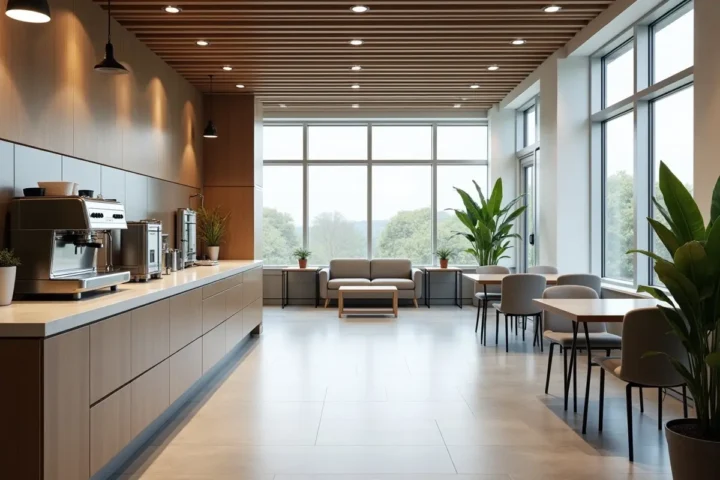
The breakroom, once a utilitarian space, has evolved into a vital hub for employee well-being, collaboration, and refreshment within corporate and commercial spaces. Modernizing these areas is key to supporting a thriving workforce and enhancing the overall tenant experience.
Pantry Management and Refreshment Services
Today’s breakrooms go beyond a simple coffee pot. Businesses are investing in comprehensive pantry management services that offer a variety of high-quality snacks, beverages, and fresh food options. This can include:
- Micro-markets: Self-service kiosks offering a wide selection of food and drinks, often with cashless payment options.
- Gourmet Coffee Services: High-quality coffee machines, specialty teas, and even on-site baristas to provide a cafe-like experience.
- Healthy Options: A focus on nutritious snacks, fresh fruit, and healthy meal choices to support employee wellness.
These offerings not only provide convenience but also serve as informal gathering points, encouraging spontaneous interactions and fostering a sense of community. For businesses seeking to elevate their employee experience, exploring tailored breakroom solutions can significantly enhance workplace satisfaction and productivity.
Ergonomic Seating and Furnishings
Beyond food and drink, the physical comfort and functionality of common areas are paramount. Ergonomic seating, flexible tables, and comfortable lounge areas encourage employees to take proper breaks, reducing strain and improving focus. These spaces can be designed for various activities, from quick coffee breaks to informal meetings or quiet reflection. The choice of furnishings reflects the company’s commitment to employee comfort and can contribute to the overall aesthetic and brand image of the commercial space.
Technology Integration
Modern breakrooms often incorporate technology, such as charging stations, Wi-Fi connectivity, and digital signage for internal communications. Some even feature interactive elements or entertainment options, making them more engaging and multi-functional.
By investing in modernized breakrooms and common areas, businesses demonstrate a commitment to their employees’ comfort and well-being, which can be a significant factor in attracting and retaining talent in competitive markets.
Operational Best Practices for Commercial Property Management
Effective property management is the backbone of successful corporate and commercial spaces, ensuring operational efficiency, tenant satisfaction, and long-term asset value. Best practices in this domain leverage technology, strategic planning, and a tenant-centric approach.
Smart Building Technology: The integration of smart building technology is revolutionizing commercial property management.
- Building Management Systems (BMS): Intelligent BMS platforms provide real-time monitoring and control over various building systems, including HVAC, lighting, security, and access control. This allows for optimized energy consumption, predictive maintenance, and rapid response to operational issues.
- Nantum Operating System: Advanced operating systems like Nantum, used in properties like 345 Park Avenue, integrate data from multiple sources to provide a holistic view of building performance, enabling proactive management and efficiency gains.
- Dynamic View Glass: Technologies such as Dynamic View™ smart glass, featured in properties like 825 Third Avenue, automatically adjust tint levels to optimize natural daylight, reduce glare, and enhance energy efficiency, contributing to occupant comfort and sustainability goals.
- Digital Connectivity: WiredScore Platinum certification is increasingly a benchmark for superior digital connectivity, ensuring tenants have access to robust and reliable internet infrastructure. Distributed Antenna Systems (DAS) further enhance cellular coverage throughout large commercial buildings.
Tenant Experience Platforms: Modern property management extends beyond maintenance to fostering a vibrant tenant community.
- Dedicated Apps: Many premium commercial properties now offer dedicated tenant apps (e.g., Rudin Experience at 345 Park Avenue and 3 Times Square). These apps streamline communication, allow tenants to register for events, access building services, and receive real-time updates.
- Hospitality-Driven Programs: Curated programs offering wellness classes, social events (like autumn apple fests or ice cream socials), and local perks create a sense of community and enhance the overall workplace experience. This human-centric approach is crucial for tenant retention.
Operational Efficiency and Maintenance:
- Proactive Maintenance: Utilizing data from BMS to implement predictive maintenance schedules minimizes downtime and extends the lifespan of building systems.
- Security and Safety: Implementing advanced security systems, including touchless entry, modern surveillance, and adherence to high fire and life safety standards (e.g., Seismic Zone V requirements), ensures a safe environment for all occupants.
- Occupied Renovations: When undertaking renovations in active buildings, best practices include phased logistics, clear communication plans, and strategies to minimize disruption to tenants.
Sustainability Integration: Property management also plays a key role in maintaining and enhancing a building’s sustainability credentials. This includes monitoring energy and water consumption, managing waste programs, and ensuring ongoing compliance with certifications like LEED and WELL.
By embracing these best practices, property managers can transform corporate and commercial spaces into highly efficient, attractive, and tenant-friendly environments, maximizing asset value and supporting the success of the businesses within them.
Frequently Asked Questions About Commercial Real Estate
What are the primary differences between commercial and residential leases?
The primary differences between commercial and residential leases stem from their purpose and the legal protections afforded to tenants. Residential leases are designed to provide housing for individuals or families and are heavily regulated by consumer protection laws, ensuring basic tenant rights regarding habitability, privacy, and rent increases. They typically have shorter terms, often 12 months.
Commercial leases, on the other hand, are agreements for properties used for business purposes and are generally between two business entities. They are far less regulated, allowing for greater negotiation flexibility between landlords and tenants. Key distinctions include:
- Lease Term: Commercial leases are typically much longer, commonly ranging from 5 to 10 years, providing stability for businesses to amortize their build-out costs and establish long-term operations.
- Negotiability: Almost every aspect of a commercial lease is negotiable, including rent, lease escalations, tenant improvement allowances, maintenance responsibilities, and termination clauses.
- Tenant Protections: Commercial tenants generally have fewer legal protections compared to residential tenants. For instance, commercial landlords often have more leeway in evictions and less responsibility for property maintenance beyond what’s explicitly stated in the lease.
- Cost Structure: Commercial leases often involve more complex cost structures, such as “triple net” (NNN) leases where the tenant pays for property taxes, insurance, and maintenance in addition to base rent, or “gross” leases where these are included.
- Due Diligence: Commercial tenants are expected to conduct extensive due diligence, including financial, legal, and physical inspections of the property, as there’s less statutory protection for undisclosed issues.
How do zoning laws and due diligence impact commercial property development?
Zoning laws and comprehensive due diligence are foundational to the success and legality of any commercial property development.
Zoning Laws: These are local government regulations that dictate how land within a municipality can be used. They specify permitted uses (e.g., residential, commercial, industrial), building height, density, setbacks, and parking requirements.
- Impact on Development: Zoning laws directly determine what can be built on a parcel of land and for what purpose. For example, a developer cannot build a retail shopping center on land zoned exclusively for residential use without first seeking a zoning change or variance, which can be a lengthy and uncertain process.
- Compliance: Non-compliance with zoning laws can lead to significant delays, fines, legal challenges, and even the demolition of non-conforming structures. Developers must obtain necessary permits and approvals from zoning boards before commencing any construction.
- Strategic Planning: Understanding zoning is crucial for site selection. A location might be ideal for a business in terms of accessibility, but if zoning doesn’t permit the intended use, it’s unsuitable for development.
Due Diligence: This is the process of conducting a thorough investigation and review of a commercial property before a transaction is finalized. It’s a critical step in the commercial property transaction process, typically occurring after a Letter of Intent (LOI) is signed but before a Purchase and Sale Agreement (PSA) becomes fully binding.
- Impact on Development: Due diligence identifies potential risks and liabilities associated with the property. It covers various aspects:
- Financial: Reviewing financial statements, rent rolls, operating expenses, and potential income streams.
- Legal: Examining title reports, existing leases, contracts, easements, and ensuring compliance with all local, state, and federal regulations, including zoning.
- Physical: Conducting environmental assessments (Phase I and II), structural inspections, and evaluating the condition of mechanical, electrical, and plumbing (MEP) systems.
- Market: Assessing market demand, competition, and potential for future growth.
- Risk Mitigation: By uncovering issues like environmental contamination, structural defects, or zoning non-conformities, due diligence allows buyers or tenants to negotiate better terms, request repairs, or even withdraw from the deal if the risks are too high. It ensures that all parties are fully aware of the property’s condition and legal standing before committing significant capital.
Zoning laws set the parameters for what is permissible, while due diligence verifies the actual condition and legal validity of a property within those parameters, both being indispensable for informed decision-making in commercial property development.
How do sustainability certifications like LEED and WELL affect commercial property value?
Sustainability certifications such as LEED (Leadership in Energy and Environmental Design) and WELL (WELL Building Standard) significantly enhance the value and attractiveness of corporate and commercial spaces in today’s market. As of August 2026, these certifications are increasingly viewed as essential indicators of a high-quality, future-proof asset.
Impact on Property Value:
- Higher Rents and Occupancy Rates: Certified buildings often command higher rental rates and experience lower vacancy rates compared to conventional properties. Tenants, especially large corporations, are willing to pay a premium for spaces that align with their corporate social responsibility goals and offer a healthier environment for their employees.
- Lower Operating Costs: LEED-certified buildings are designed for energy and water efficiency, leading to substantial reductions in utility bills. These operational savings directly contribute to a higher Net Operating Income (NOI), which in turn increases the property’s valuation.
- Increased Asset Value: The combination of higher income, lower expenses, and strong tenant demand translates into a higher overall asset value. Investors recognize that green and healthy buildings are more resilient to market fluctuations and regulatory changes.
- Access to Green Financing: Many lenders offer more favorable terms, such as lower interest rates or longer repayment periods, for properties with recognized sustainability certifications, further boosting investment attractiveness.
Impact on Attractiveness:
- Tenant Attraction and Retention: Businesses are increasingly using their office space as a tool for attracting and retaining talent. WELL-certified buildings, with their focus on indoor air quality (e.g., MERV-14 filtration), natural light, and wellness amenities, are highly appealing to employees. Companies want to provide a work environment that supports employee health, productivity, and overall well-being.
- Enhanced Brand Image: Owning or occupying a certified sustainable building enhances a company’s brand image, demonstrating a commitment to environmental stewardship and employee welfare. This can be a significant competitive advantage.
- Future-Proofing: As environmental regulations become stricter and societal expectations for sustainability grow, certified buildings are better positioned to meet future standards, reducing the risk of obsolescence.
- Improved Employee Productivity and Health: Studies suggest that occupants in green and healthy buildings experience improved cognitive function, reduced absenteeism, and higher job satisfaction, translating into tangible benefits for businesses.
In conclusion, LEED and WELL certifications are not just about environmental responsibility; they are strategic investments that deliver measurable financial returns and enhance the market appeal of corporate and commercial spaces by creating healthier, more efficient, and desirable environments for businesses and their employees.
Conclusion
The landscape of corporate and commercial spaces is in a perpetual state of evolution, driven by technological advancements, shifting market dynamics, and a profound re-evaluation of the employee experience. As of August 2026, we observe a clear trend: the most successful commercial properties are those that transcend their traditional function, becoming dynamic hubs that foster productivity, collaboration, and well-being.
From the diverse categories of office buildings and flex spaces to the intricate processes of zoning and due diligence, every aspect of commercial real estate demands meticulous attention. Financial considerations, influenced by global market trends and the rise of e-commerce, necessitate agile investment strategies. Moreover, the increasing emphasis on sustainability and wellness, evidenced by certifications like LEED and WELL, is not merely a compliance issue but a powerful driver of property value and tenant attraction.
The modern workplace design prioritizes human-centric features, integrating hospitality-level amenities, smart building technologies, and premium furnishings. Breakrooms are transforming into vibrant social and refreshment hubs, while flexible layouts and advanced infrastructure support diverse work styles. These enhancements are crucial for tenant retention and cultivating a thriving corporate culture.
The future of corporate and commercial spaces lies in creating environments that are not only efficient and financially sound but also inspiring and supportive. By embracing best practices in property management, leveraging innovative design, and prioritizing the tenant experience, we can unlock the full potential of these essential business assets. The journey to optimize commercial footprints is ongoing, promising exciting opportunities for those who adapt and innovate.