Why Japan Should Be Your Next Big Adventure (And How to Actually Make It Happen)
You have said it before. “I really want to go to Japan.” And then life happened. The busy quarter, the house renovation, the same two-week summer holiday you always take because it is the path of least resistance. Japan stayed on the list. It always stays on the list.
Here is the truth: Japan is not a trip you ease into slowly over the years. It is a trip that delivers an entirely different way of seeing the world — and every year you put it off is another year of not having had that experience. If you are serious about adventure travel, Japan belongs at the top of your list and this article is going to explain exactly why, and how to stop procrastinating and actually go.
Japan Is Not What You Think It Is
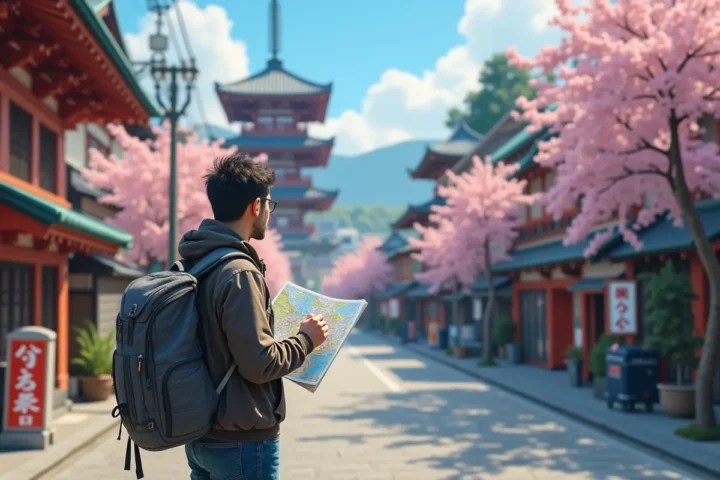
Most people picture Japan as a postcard: cherry blossoms, Shinkansen, sushi. That is like describing Canada as maple syrup and hockey. The postcard is real, but it is about ten percent of the full picture.
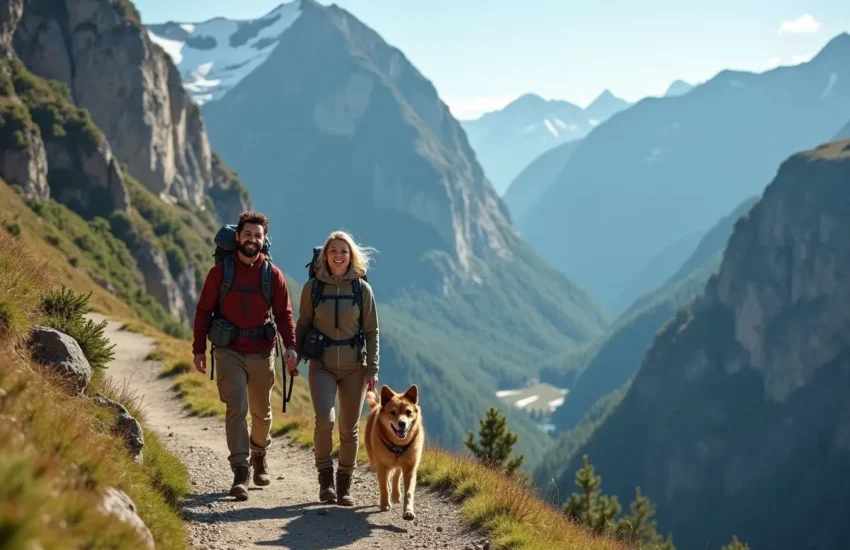
Japan is one of the most genuinely diverse destinations on earth. In a single two-week trip you can hike active volcanoes in Kyushu, ski powder snow in Hokkaido that rival anything in the Alps, walk a thousand-year-old pilgrimage trail through ancient cedar forests in Wakayama, watch snow monkeys bathe in natural hot springs in Nagano, and then end the week in a neon-drenched megacity where the food scene alone justifies the flight.
This is not passive tourism. Japan is active, layered, and rewards curiosity at every turn. That is what makes it one of the best adventure travel destinations in the world.
The Adventure Credentials Are Serious
Let us be specific. Here is what Japan adventure travel actually looks like:
- Nakasendo Trail — An ancient feudal highway connecting Tokyo to Kyoto through the Japanese Alps, passing unchanged post towns frozen in the Edo period. You can walk it over several days and not see a tourist bus.
- Mount Fuji — Japan’s most iconic peak and a legitimate mountain climb. The summit season runs July to early September. The sunrise from the top is the kind of thing you describe to people for years.
- Kumano Kodo — A UNESCO World Heritage pilgrimage route through the Kii Peninsula. Misty forests, remote shrines, and ryokan guesthouses where you sleep on tatami and eat kaiseki meals. It is the anti-Instagram version of Japan, and it is extraordinary.
- Yakushima Island — An ancient cedar forest so otherworldly it inspired Studio Ghibli. Some trees are over two thousand years old. The hiking is challenging and the experience is unlike anywhere else in Asia.
- Hokkaido in Winter — World-class powder skiing in Niseko, Furano, and Rusutsu. The snowfall records here are absurd. If you ski, this belongs on your bucket list without question.
Why First-Timers Keep Overthinking It
Japan has a reputation for being complicated to navigate. The transit systems, the onsen etiquette, the language barrier, the sheer number of choices. And yes, there is a learning curve — but it is a much shorter one than people imagine, especially if you approach the first trip strategically.
The most common mistake first-timers make is spending the first three days confused, jet-lagged, and making avoidable logistical errors that eat into actual travel time. The solution is simple: go in with a solid plan, or go with someone who already has one.
For first trips specifically, it is worth looking at what a structured Japan guided tours for first-time visitors experience looks like. A good guided tour handles the logistics, but more importantly it gets you into the experiences that independent travellers spend days trying to find — the hidden temples, the local ryokan run by a family for six generations, the izakaya that is not in any guidebook. That is the version of Japan worth going for.
How to Actually Make It Happen
Stop treating Japan like a someday trip. Here is a five-step process to lock it in:
- Pick your season first. Spring (late March to early May) for cherry blossoms and mild weather. Autumn (October to November) for foliage and arguably better hiking conditions. Both require booking accommodation at least six months in advance.
- Set a realistic budget. Japan is far more affordable than its reputation suggests, especially outside peak cherry blossom season. Budget travellers can manage on $100 CAD per day. Mid-range comfortable travel sits around $180 to $250. Top-end is obviously open-ended.
- Decide: guided or independent. If this is your first time in Japan and you want to see beyond the obvious tourist circuit, a guided tour earns back every dollar in time saved and experiences unlocked.
- Give yourself enough time. Two weeks is the minimum. Three weeks is better. Japan is not a destination you want to rush.
- Book and commit. Put the deposit down. Everything else is detail.
The Honest Truth About Japan
Japan rewards people who show up curious and prepared. Unlike destinations where you can wander aimlessly and still stumble onto something great, Japan has layers that only reveal themselves when you engage with the place properly. The travellers who come back utterly changed are almost always the ones who went in with intention.
Stop having a boring life. Japan is not a pipe dream. It is a flight and a plan away.
Go.