How Does a Water Heater on Demand Gas System Work?
At its core, a water heater on demand gas system operates on a remarkably simple, yet highly efficient principle: it heats water only when you need it. Unlike traditional tank-style heaters that maintain a large reservoir of hot water around the clock, tankless units remain dormant until a hot water tap is opened. This fundamental difference is key to their energy-saving capabilities.
When you turn on a hot water faucet, a flow sensor within the tankless unit detects the movement of water. This signal triggers a powerful gas burner to ignite. Cold water then enters the unit and flows through a series of heat exchangers, typically made of copper due to its excellent thermal conductivity. As the water passes through these coils, it rapidly absorbs heat from the gas flames.
The system continuously monitors the outgoing water temperature, modulating the burner’s intensity to ensure a consistent hot water supply at the desired temperature. Once the faucet is closed, the flow sensor detects the cessation of water movement, and the gas burner shuts off, preventing any further energy consumption. This entire process happens instantaneously, providing continuous hot water delivery without the wait.
Condensing vs. Non-Condensing Gas Burners
When exploring water heater on demand gas systems, you’ll encounter two primary types based on their burner technology: non-condensing and condensing. The distinction lies in how they handle the hot exhaust gases produced during combustion.
Non-Condensing Units
These are the more traditional type. They vent hot exhaust gases directly outside, much like a conventional furnace or tank-style water heater. While efficient, a significant amount of heat (latent heat) is lost with these exhaust gases. Non-condensing units typically achieve thermal efficiencies in the range of 80-84% and require Category III stainless steel venting, which can be more costly and complex to install.
Condensing Units
These units represent a significant leap in energy efficiency. They feature a secondary heat exchanger designed to capture additional heat from the exhaust gases before they exit the system. As these gases cool, the water vapor within them condenses, releasing latent heat that is then used to pre-heat the incoming cold water.
This process allows condensing units to achieve much higher thermal efficiency ratings, often reaching 90-98% Uniform Energy Factor (UEF). A major benefit of this lower exhaust gas temperature is that it allows for the use of less expensive and easier-to-install PVC, ABS, or CPVC venting materials, offering greater flexibility in installation. The choice between condensing and non-condensing often comes down to upfront cost versus long-term energy savings and venting requirements.
Key Benefits and Efficiency of On-Demand Gas Systems
The shift from traditional tank water heaters to water heater on demand gas systems is driven by a compelling array of benefits, primarily centered around efficiency, convenience, and longevity. These systems are not just an upgrade; they represent a fundamental change in how we manage hot water in our homes.
One of the most significant advantages is the complete elimination of standby energy loss. Traditional tank heaters continuously heat and reheat water, even when no one is using it, simply to maintain a ready supply. This constant energy expenditure is a major source of wasted utility. With a tankless system, energy is consumed only when hot water is actively demanded, leading to substantial savings. Homeowners can realistically expect to cut their water heating expenses by as much as 45% compared to traditional tank-type models, a statistic that translates into considerable savings over the lifespan of the unit.
Beyond the financial benefits, the experience of endless hot water is a game-changer. Imagine never having to rush a shower or coordinate laundry and dishwashing to avoid running out of hot water. Tankless gas heaters provide a continuous supply, making them ideal for busy households, large families, or homes with multiple bathrooms. This capability is particularly valuable in high-demand residences where simultaneous fixture use is common.
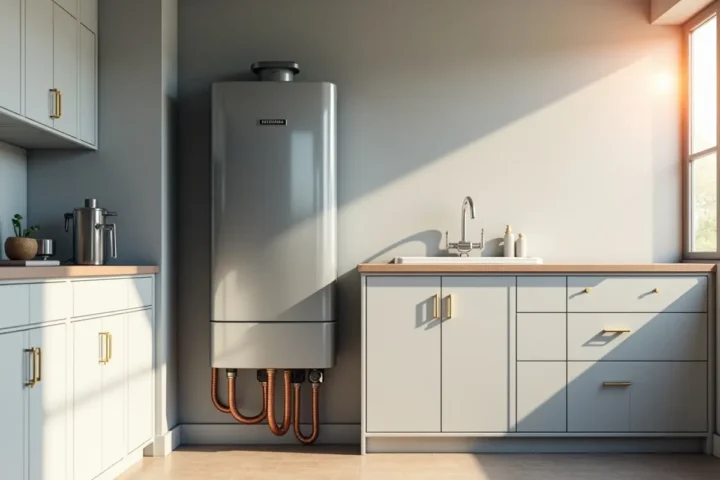
Furthermore, these units boast a compact, wall-mount design, freeing up valuable floor space that a bulky tank heater would otherwise occupy. This is a significant advantage for smaller homes, utility closets, or garages where space is at a premium. Their sleek profile also allows for installation in less conspicuous locations, enhancing the aesthetic appeal of your utility areas.
For those seeking to optimize their home’s hot water system with advanced, efficient technology, exploring options like a water heater on demand gas system can be incredibly beneficial. These systems offer a modern solution to an age-old household need, providing both comfort and significant long-term value.
Comparing Tankless Gas to Traditional Tank Heaters
To fully appreciate the advantages of a water heater on demand gas system, it’s helpful to compare it directly with its traditional tank-style counterpart.
| Feature | Tankless Gas Water Heater | Traditional Tank Water Heater |
| Hot Water Supply | Endless, on-demand | Limited by tank size, can run out |
| Energy Efficiency | High (0.80-0.98 UEF), no standby loss | Lower (0.50-0.70 UEF), significant standby loss |
| Lifespan | 15-20+ years (with proper maintenance) | 8-12 years |
| Physical Footprint | Compact, wall-mounted, saves floor space | Large, bulky, occupies significant floor space |
| Installation Cost | Higher upfront (venting/gas line upgrades) | Generally lower, simpler replacement |
| Operating Cost | Significantly lower (up to 45% savings) | Higher due to continuous heating |
| Maintenance | Annual flushing recommended | Less frequent, but anode rod inspection is important |
| Water Quality Impact | Susceptible to scale; benefits from softeners | Less sensitive to scale; sediment can accumulate |
| Environmental Impact | Reduced carbon footprint | Higher consumption, larger carbon footprint |
As the table illustrates, while the upfront purchase price and installation costs for a tankless gas unit can be higher, the long-term utility savings and extended lifespan often make it a more cost-effective investment. Tankless gas water heaters typically last longer than traditional tank-type water heaters, further enhancing their value proposition over time.
Sizing, Flow Rates, and Fuel Options for Residential Units
Choosing the right water heater on demand gas system involves understanding several key factors, including flow rates, BTU capacity, and fuel types. These elements directly impact the unit’s ability to meet your household’s specific hot water demands.
Flow rate, measured in gallons per minute (GPM), is perhaps the most critical specification for a tankless unit. It indicates how much hot water the heater can deliver at a given temperature rise. For residential applications, units typically range from 4 to 11 GPM.
The ideal GPM for your home depends on how many hot water fixtures (showers, sinks, appliances) you anticipate using simultaneously during peak demand. For example, a standard shower head uses about 2.5 GPM, while a kitchen faucet might use 1.5-2 GPM. If you have a multi-bathroom home where two showers might run concurrently, you’d need a unit capable of at least 5 GPM, plus extra for other fixtures.
Another crucial consideration is the temperature rise (Delta T) required, which is the difference between the incoming cold water temperature and the desired hot water temperature. In colder climates, where incoming winter mains water temperatures can be quite low (e.g., 40°F), a tankless unit needs to work harder to achieve a comfortable hot water temperature (e.g., 120°F). This means its effective GPM output will be lower than in warmer climates where incoming water temperatures are higher. Therefore, sizing must account for your specific climate and the coldest incoming water temperatures you expect.
Sizing Your Water Heater on Demand Gas Unit for Daily Use
Accurate sizing is paramount to ensure your water heater on demand gas system performs optimally and meets your household’s needs without disappointment. Under-sizing can lead to insufficient hot water, while over-sizing can result in unnecessary upfront costs.
To properly size a unit, we recommend the following steps:
Identify Peak Hot Water Demand
List all hot water fixtures that might be used simultaneously. This includes showers, bathtubs, dishwashers, washing machines, and sinks.
Estimate GPM for Each Fixture
- Shower: 2.0 – 2.5 GPM
- Bathtub: 4.0 – 6.0 GPM (filling a tub quickly)
- Dishwasher: 1.0 – 2.0 GPM
- Washing Machine: 1.5 – 2.5 GPM
- Kitchen Faucet: 1.0 – 1.5 GPM
- Bathroom Sink: 0.5 – 1.0 GPM
- Calculate Total GPM: Add the GPM for all fixtures you anticipate using at once. For example, two showers (5 GPM) plus a kitchen faucet (1.5 GPM) equals 6.5 GPM.
- Determine Incoming Water Temperature: This is critical. Contact your local utility or a plumbing professional to find the average winter ground water temperature for your area. This can range from 35°F in colder regions to 60°F or higher in warmer climates.
- Calculate Required Temperature Rise (Delta T): Subtract the incoming water temperature from your desired hot water temperature (typically 120°F for most household uses, or 105-110°F for showers). For instance, if incoming water is 40°F and desired is 120°F, Delta T = 80°F.
- Consult Manufacturer’s Sizing Charts: Tankless water heater manufacturers provide charts that show the unit’s GPM output at various temperature rises. Match your calculated total GPM and ?T to find a unit that can meet or exceed your requirements. Gas-powered tankless systems support higher flow rates for simultaneous fixture use, making them ideal for high-demand residences.
The BTU (British Thermal Unit) capacity of the unit is directly related to its ability to heat water. Higher BTU ratings mean more heating power and thus a higher GPM output at a given temperature rise. For multi-bathroom homes or those in cold climates, a unit with 160,000 to 199,000 BTU is often recommended.
Natural Gas vs. Liquid Propane Performance
Water heater on demand gas systems can operate on either natural gas (NG) or liquid propane (LP). While both are fossil fuels, they have distinct characteristics that influence performance and installation.
- Natural Gas: This is typically the most common and cost-effective option where available. Natural gas is supplied directly to your home via a utility line. Tankless units designed for natural gas generally offer a slightly higher BTU output and, consequently, a higher GPM flow rate compared to their propane counterparts, given the same model. The main considerations for natural gas units are ensuring your existing gas line is adequately sized to handle the increased demand of a tankless heater and meeting local gas code requirements.
- Liquid Propane (LP): Propane is often used in rural areas or homes without access to natural gas lines. It is stored in a large tank on your property and delivered by a supplier. LP units typically have a slightly lower BTU output than NG models, which can translate to a marginally lower GPM. Many tankless units are designed to be convertible between natural gas and propane with a field conversion kit, offering flexibility. However, it’s crucial to ensure the correct conversion kit is used and installed by a qualified professional. The primary considerations for LP include the cost of propane delivery, the need for a storage tank, and ensuring proper sizing of the propane supply line and regulator.
Indoor vs. Outdoor Installation Configurations
The flexibility of water heater on demand gas systems extends to their installation options, offering both indoor and outdoor models. Each configuration comes with its own set of advantages and considerations.
Indoor Models
These are designed to be installed inside your home, typically in a utility closet, garage, or basement. They require proper venting to safely exhaust combustion gases to the outdoors. Condensing indoor models often use direct vent technology, which means they draw combustion air from outside and exhaust gases outside through a sealed system, often using PVC piping. This eliminates the need for an open combustion chamber inside the home. Indoor units are protected from the elements and often easier to access for maintenance.
Outdoor Models
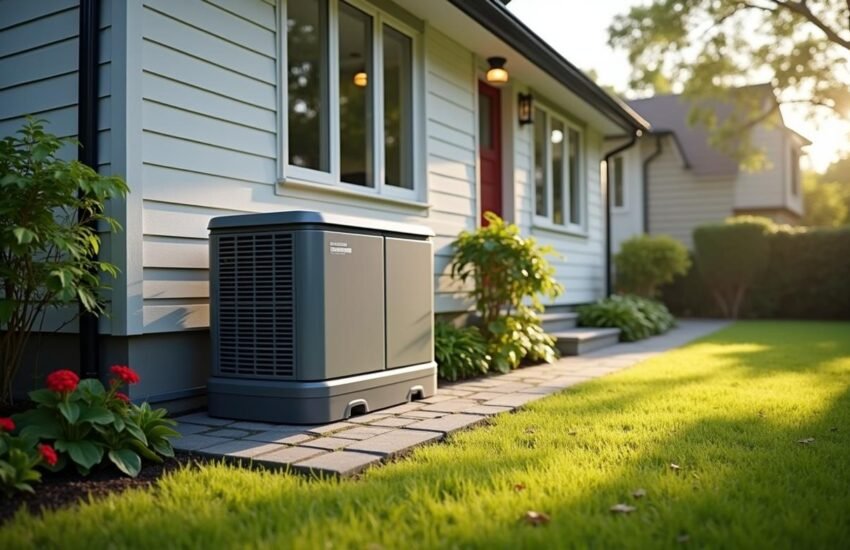
These units are specifically designed to be installed on an exterior wall of your home. They are built with durable, weather-resistant casings and typically include integrated freeze protection systems, which activate heating elements to prevent water inside the unit from freezing in cold temperatures.
The main advantage of outdoor installation is significant space-saving inside your home, as no internal venting or dedicated utility space is required. This also means no concerns about carbon monoxide indoors. However, outdoor units may be more susceptible to extreme weather conditions, and their freeze protection systems consume a small amount of electricity, even when not actively heating water.
The choice between indoor and outdoor depends on factors like available interior space, local climate, aesthetic preferences, and installation costs. Both options leverage the core benefits of on-demand gas heating.
Installation Requirements and Essential Maintenance
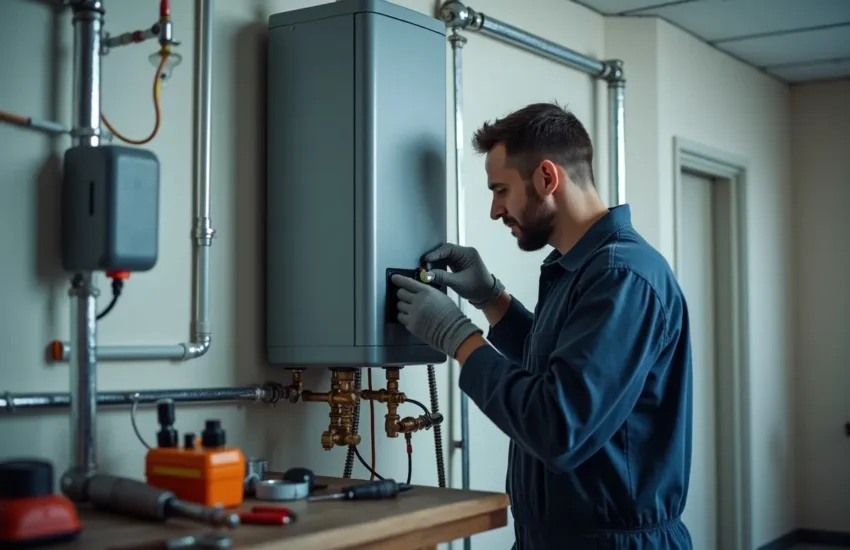
Installing a water heater on demand gas system is a more complex undertaking than replacing a traditional tank heater, and it almost always requires professional expertise. This is due to several critical requirements related to gas, water, and venting.
Firstly, proper gas line sizing is paramount. Tankless gas heaters have significantly higher BTU inputs than tank-style heaters (often 150,000-200,000 BTU compared to 40,000-60,000 BTU for a tank). This increased demand means that existing gas lines may need to be upgraded to a larger diameter to ensure adequate fuel supply and safe operation. An undersized gas line can lead to insufficient heating, burner lockout, and potential safety hazards. A qualified plumber or HVAC technician will assess your current gas system and make necessary recommendations.
Secondly, venting is a crucial component. As discussed, gas combustion produces exhaust gases that must be safely expelled from your home. The type of venting material (stainless steel for non-condensing, PVC/CPVC for condensing) and the length and configuration of the vent run must comply with manufacturer specifications and local building codes. Improper venting can lead to dangerous carbon monoxide buildup inside the home.
Lastly, water line connections and electrical requirements must be met. Tankless units need robust water supply lines to handle their high flow rates. Most gas tankless heaters also require a standard 120V electrical outlet to power their ignition system, fan, and control board. All these considerations underscore the importance of hiring a licensed and experienced professional for installation to ensure safety, efficiency, and compliance with all regulations.
Routine Maintenance for Long-Term Performance
While water heater on demand gas systems are known for their durability and long lifespan, routine maintenance is essential to ensure they continue to perform efficiently for 15-20 years or more. The most critical maintenance task is preventing and addressing mineral scale buildup.
Hard water, which contains high levels of dissolved minerals like calcium and magnesium, is the primary culprit for scale accumulation within the heat exchanger. As water is heated, these minerals can precipitate out and form a hard, crusty layer on the inside of the heat exchanger coils. This scale acts as an insulator, reducing the unit’s heating efficiency, restricting water flow, and potentially leading to premature failure of components.
The recommended maintenance for tankless gas water heaters is an annual system flush. This process involves isolating the unit from the home’s water supply, connecting a small pump and hoses, and circulating a vinegar or specialized descaling solution through the heat exchanger. This solution dissolves the mineral buildup, restoring the unit’s efficiency and flow rate. While some DIY-savvy homeowners might attempt this, it’s often best left to a professional to ensure it’s done correctly and safely.
For homes with particularly hard water, installing a water softener can significantly reduce the frequency and severity of scale buildup, extending the lifespan of the tankless unit and reducing maintenance needs. Some advanced tankless models also offer built-in scale prevention technologies or features like specialized heat exchanger designs that are more resistant to scale. Regular maintenance not only ensures optimal performance but also helps maintain your warranty.
Frequently Asked Questions about On-Demand Gas Water Heaters
Homeowners often have specific questions when considering a water heater on demand gas system. Here, we address some of the most common inquiries to help you make an informed decision.
How many simultaneous showers can a gas tankless water heater support?
The number of simultaneous showers a gas tankless water heater can support depends primarily on its flow rate (GPM) and the incoming water temperature. A typical shower head uses about 2.0 to 2.5 GPM. If your tankless unit has a maximum flow rate of, say, 8 GPM at a 70°F temperature rise (common for a 120°F output with 50°F incoming water), it could theoretically support 3-4 showers concurrently.
However, factors like low incoming water temperatures (especially in winter) will reduce the effective GPM output. For example, the same 8 GPM unit might only deliver 5 GPM at a 90°F temperature rise. High-demand residential models, often with BTU ratings around 199,000, are designed to handle multiple simultaneous hot water demands, making them suitable for homes with 2-3 bathrooms or more. Always consult the manufacturer’s sizing charts, which detail GPM output at various temperature rises, to match the unit to your specific household needs.
Do gas on-demand water heaters require electricity to operate?
Yes, most modern water heater on demand gas systems do require a standard 120V electrical connection to operate. This electricity powers several key components:
- Electronic Ignition: Instead of a standing pilot light, tankless units use an electronic igniter to light the gas burner when hot water is demanded.
- Control Board: The unit’s internal computer board manages temperature, flow, and safety features.
- Vent Fan: Condensing models, in particular, use a fan to draw in combustion air and expel exhaust gases safely.
The electrical draw is typically minimal, similar to a small appliance, and is primarily for standby power when the unit is not actively heating water. However, some specialized models, particularly older or more basic non-condensing units, might use a hydro-electric generator to power the ignition system, eliminating the need for an external electrical connection.
For most contemporary installations, plan for an accessible electrical outlet near the unit. In areas prone to power outages, a small battery backup or an uninterruptible power supply (UPS) can be considered to ensure hot water availability.
Is a Water Heater on Demand Gas System Suitable for Homes with Hard Water?
Water heater on demand gas systems can be used in homes with hard water, but it’s crucial to be proactive about maintenance and scale prevention. As discussed, hard water minerals (calcium, magnesium) can accumulate on the heat exchanger surfaces when heated, forming scale. This scale reduces efficiency, restricts flow, and can lead to premature failure.
To ensure long-term performance and prevent issues in homes with hard water:
- Annual Flushing: Regular annual flushing with a descaling solution is even more critical in hard water areas to dissolve mineral buildup.
- Water Softener Integration: Installing a whole-house water softener is highly recommended for homes with very hard water. A softener removes the minerals before they enter the water heater, significantly reducing scale formation and extending the lifespan of the tankless unit.
- Scale Prevention Technologies: Some tankless manufacturers offer accessories or built-in features, such as scale prevention filters or specialized heat exchanger coatings, that can help mitigate the effects of hard water.
While tankless units are more susceptible to scale issues than tank heaters (due to their smaller, more intricate heat exchangers), with proper attention to water quality and routine maintenance, they can perform exceptionally well even in hard water environments. Ignoring hard water issues, however, can quickly negate the efficiency benefits and lead to costly repairs.
Conclusion
As we navigate the evolving landscape of home comfort and efficiency in July 2026, the water heater on demand gas system stands out as a compelling choice for modern homeowners. From its innovative on-demand heating mechanism to its impressive energy savings, these units offer a significant upgrade over traditional tank-style heaters.
We’ve explored how these systems provide endless hot water, reduce utility bills by up to 45%, and free up valuable space with their compact design. We’ve also delved into the technical nuances of condensing versus non-condensing units, the critical considerations for sizing based on flow rates and fuel types, and the flexibility of indoor versus outdoor installations. Furthermore, we’ve emphasized the importance of professional installation and consistent annual maintenance, particularly in addressing hard water challenges, to ensure your unit delivers reliable performance for 15 to 20 years or more.
Investing in a water heater on demand gas system is not just about getting hot water; it’s about making a smart, long-term investment in your home’s efficiency, comfort, and environmental footprint reduction. By understanding the benefits, requirements, and maintenance involved, you can confidently make the right purchasing decisions for a future of endless, efficient hot water.