
How to Avoid Hidden Banking Fees During Your Overseas Adventures
Travel is back in full swing, and Australians are packing their bags with renewed enthusiasm to explore the world. Escaping the mundane and diving into new cultures is exactly what you need to shake up your routine and experience life to the fullest.
Whether you are trekking through the Andes, wandering the historic streets of European capitals, or lounging on a secluded beach in Southeast Asia, the thrill of international exploration is unmatched. But while you are busy mapping out your itinerary and hunting down the best local street food, there is a silent budget killer lurking in your wallet.
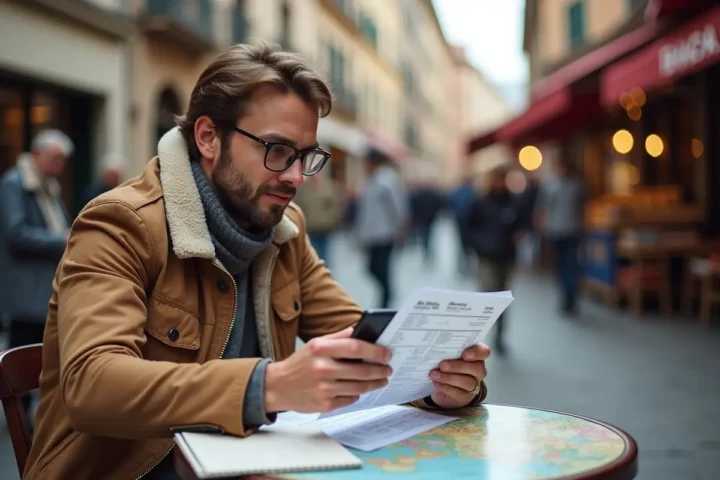
Hidden banking fees can quickly drain your holiday funds if you are not prepared. To put things into perspective, recent data from the Australian Bureau of Statistics reveals that in February 2026, total international departures reached 1,675,760, representing a 10.4 percent increase from the previous year.
With so many of us taking to the skies, it is crucial to reassess the financial products we pack alongside our passports.
The True Cost of Swiping Abroad
Nothing ruins the post-holiday glow faster than checking your bank statement and discovering a trail of unexpected charges. When you use a standard debit or credit card overseas, you are often hit with a foreign transaction fee, which is usually a percentage of your total purchase. Add in the currency conversion markups and international ATM withdrawal charges, and you could be losing a significant chunk of your travel budget straight to your bank. For a family on a two-week holiday, these individual two and three percent charges can easily accumulate into hundreds of dollars in entirely preventable expenses.
Fortunately, the financial landscape has evolved to support modern globetrotters. Many savvy travellers are now actively seeking out financial institutions that offer credit cards designed specifically to eliminate overseas transaction fees. By switching to a card built for international travel, you can spend confidently knowing that the price on the menu is exactly what will be deducted from your account. This modern approach to travel banking empowers you to allocate your resources towards creating memories rather than padding corporate profits.
Top Strategies to Keep Your Travel Money Safe from Fees
Getting the right card is just the first step. To truly outsmart the global banking system and keep more money in your pocket for unforgettable experiences, you need a solid strategy. Here are some of the most effective ways to minimise financial friction while adventuring abroad:
- Always pay in the local currency: When a merchant or an ATM asks if you want to pay in Australian dollars instead of the local currency, always choose the local option. This tactic avoids dynamic currency conversion, a sneaky service where the foreign bank chooses a highly unfavourable exchange rate for you.
- Limit your ATM visits: Instead of making multiple small withdrawals, take out larger amounts of cash less frequently. This reduces the number of times you are hit with flat-rate international ATM fees and supplementary local operator charges.
- Use banking apps to your advantage: Download your bank’s mobile application before you leave. Modern apps allow you to temporarily lock your card if you misplace it, track your spending in real time, and monitor exactly what exchange rate you are getting.
- Carry a backup option: Never rely on a single piece of plastic. Carry a mix of a primary travel credit card, a secondary debit card for cash withdrawals, and a small amount of emergency cash stored safely in a separate location.
Preparing Your Finances Before You Fly
The best time to sort out your travel money is weeks before your departure date, not while you are waiting at the boarding gate. Take a close look at your current bank’s fee schedule. Look specifically for terms like “international transaction fee,” “cross-border fee,” or “foreign exchange margin.” If your current setup charges you anywhere from two to three percent on every foreign purchase, it is time to shop around for a better alternative well before your trip begins.
Additionally, it is wise to set up travel notifications on your accounts. While many modern banking systems use advanced algorithms to detect fraud, letting your provider know you will be overseas can prevent your card from being unexpectedly blocked when you try to buy a coffee in Rome or book a train in Tokyo. Communicating your travel dates helps the bank’s security team distinguish between a genuine holiday transaction and potential unauthorized activity. Finally, make sure you know your personal identification number (PIN) by heart, as many countries rely strictly on chip-and-PIN technology rather than contactless payments for larger transactions.
Exploring the world should be about stepping out of your comfort zone and embracing new adventures, not stressing over every tap of your card. By understanding how international fees work and arming yourself with the right financial tools, you can redirect your hard-earned money away from hidden charges and towards the experiences that actually matter. Plan ahead, choose your cards wisely, and make sure your next overseas trip is memorable for all the right reasons.