How to Choose the Right Generator Rental for Your Project
Ensuring uninterrupted power is essential for a wide range of applications, from construction sites to outdoor events and emergencies. Navigating the numerous options available for generator rentals can seem overwhelming without a clear plan. By taking a strategic approach and understanding your needs, you can secure an efficient and reliable energy source that keeps your operations moving. For those seeking professional guidance and fast solutions, consider generator rental Denver for local support and expertise.
Selecting the right generator means more than just choosing a machine. It involves evaluating your specific requirements, the environment, and your project’s demands. Being informed helps you avoid common pitfalls and ensures your project runs smoothly, regardless of location or power challenges.
Assess Your Power Requirements
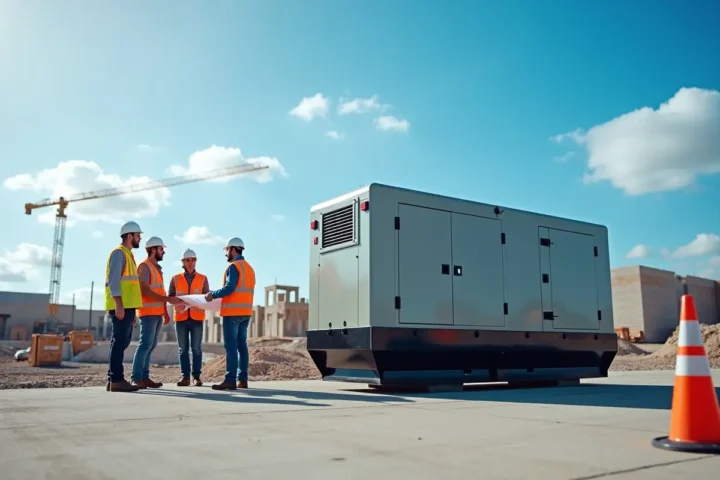
A critical first step in the generator selection process is accurately determining your required power output. Start by creating a comprehensive list of all devices, tools, or systems that will rely on the generator. Record both the running and surge wattages for each item, as some equipment draws more power at startup. Once everything is listed, sum both running and surge wattages to define the minimum generator size suitable for your project.
For example, construction sites with power tools and heavy machinery will require greater capacity than a backyard gathering with simple audio equipment. Overestimating can help avoid issues related to overloading and lost productivity. For guidance on power calculations, check out the resource by Popular Mechanics.
Understand Different Generator Types
Not all generators are built for the same scenarios. Recognizing the available generator types will help match the right equipment to your application’s needs:
- Portable Generators: These are best suited for short-term tasks and smaller-scale projects, such as residential repairs or local events. They are easy to move, set up, and store.
- Inverter Generators: These units provide a stable, clean power source ideal for sensitive electronics, such as computers and A/V gear. Their efficient technology means quieter operation and better fuel economy.
- Standby Generators: Permanently placed, standby models automatically supply power during an outage. These are common in facilities that require uninterrupted power, such as hospitals and data centers.
- Towable Generators: For large-scale operations like construction or industrial sites, towable generators offer superior power output and durability, as well as ease of transportation for larger machinery.
Consider Fuel Options
The generator fuel type has direct implications for runtime, maintenance, and overall costs. Typical fuels include gasoline, diesel, propane, and natural gas. Diesel-powered generators are often the most popular for commercial or heavy-duty use, as they run efficiently for long periods and require less frequent refueling.
Propane and natural gas are commonly chosen for their cleaner emissions and quieter operation, but they may need more infrastructure or storage solutions. Evaluate your project’s refueling needs and logistics before making a selection. More on the differences can be found at Consumer Reports.
Evaluate Noise Levels
The operational sound produced by your generator becomes especially relevant in residential zones, at events, and wherever minimizing disruption is important. Inverter generators are typically quieter and can operate at levels suitable for community environments or overnight projects. When planning for noise, be sure to review manufacturers’ decibel ratings and, if possible, conduct a test run in the intended environment.
Factor in Rental Costs
Generator rental fees are influenced by factors such as capacity, duration, and supplemental services like transportation and maintenance. Before committing, ask providers for a transparent cost breakdown and inquire about any extra charges for fuel, delivery, or unexpected service needs. Budgeting properly ensures you avoid surprises and secure the best value for your investment.
Prioritize Safety Features
Safe operation cannot be compromised. Select generators equipped with essential safety features, such as automatic shut-off mechanisms, to prevent overheating or overload. Good ventilation is vital, as operating a generator in enclosed or poorly ventilated spaces can cause dangerous carbon monoxide build-up. Always review and adhere to safety protocols outlined in the user manual and local regulations.
Plan for Logistics and Support
Critical logistical considerations include transportation, installation, and maintenance support. Many rental services offer delivery and setup assistance, which is especially helpful for larger or more complex units. Inquire about their response times for repair or emergencies as well. Robust support can make a substantial difference if problems arise during your rental period.
Conclusion
Successfully choosing the right generator rental for your project depends on understanding your power needs, comparing generator types, assessing suitable fuel options, and considering potential noise impacts. Thoroughly evaluate rental costs, make safety a priority, and ensure comprehensive logistical support to safeguard against any setbacks. By focusing on these core aspects, you will deliver reliable energy for any project, ensuring safety and efficiency from start to finish.