Compassionate At-Home Senior Care Solutions
Navigating care options for aging loved ones can feel complex. Many seniors wish to remain in their own homes as they age. This desire is strong. Live-in senior care offers a powerful way to make this possible. It provides continuous support and comfort in familiar surroundings. This approach helps maintain independence and quality of life.
As of June 2026, statistics show that most people turning 65 will need some long-term care. For many, staying home is the preferred choice. Live-in care directly supports this goal. This unique approach provides consistent, one-on-one support. It is tailored to individual needs, offering truly Personalized live-in senior care.
This comprehensive guide will explain live-in senior care. We will explore what it is and how it differs from other options. We will look at the services live-in caregivers provide. We will also identify who benefits most from this type of support. We aim to answer key questions about costs, payment options, and how to find the right provider. Our goal is to empower families with clear and helpful information.

Evaluating Live-In Senior Care Options for Aging in Place
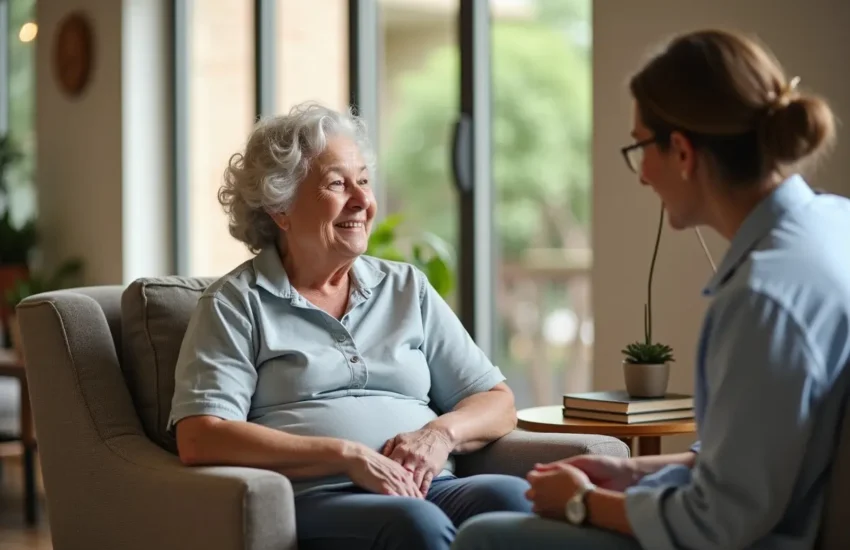
Understanding the landscape of senior care options is crucial for making informed decisions. Live-in senior care stands out as a distinct model, offering continuous support within the comfort and familiarity of one’s own home. Unlike other forms of care, a live-in caregiver resides in the senior’s home, providing assistance throughout the day and being available overnight for urgent needs. This arrangement fosters a deep sense of security and companionship, allowing seniors to maintain their routines and connection to their cherished environment.
To fully appreciate the value of live-in care, it’s helpful to compare it with other common options: hourly home care and assisted living facilities. Hourly home care, while also provided in the home, involves caregivers coming and going for scheduled shifts, typically a few hours at a time. This model is ideal for seniors who need intermittent assistance with specific tasks but are largely independent.
However, it lacks the continuous presence and overnight availability that live-in care provides. For those requiring more consistent supervision or support, particularly during the night, hourly care can become fragmented or prohibitively expensive if extended hours are needed.
Assisted living facilities, on the other hand, offer a residential setting where seniors receive personal care, meals, and social activities in a communal environment. While these facilities provide a structured and supervised setting, they often require seniors to adapt to new surroundings, schedules, and a less personalized approach to care. The average cost of assisted living in the U.S. is approximately $4,500 per month as of June 2026, according to industry data.
For more detailed information on assisted living, you can refer to resources like Assisted Living Facts & Figures – AHCA/NCAL. While assisted living can be a good fit for some, many seniors express a strong desire to age in place, avoiding a move from their long-time homes. Live-in care directly addresses this preference by bringing comprehensive support directly to the senior’s residence, often proving more cost-effective for individuals who own their homes and require extensive, personalized assistance.
The primary distinction lies in the level of continuous presence and personalization. Live-in care offers a dedicated caregiver who becomes an integral part of the household, understanding the senior’s unique rhythms, preferences, and needs in a way that scheduled visits or institutional settings often cannot. This constant, familiar presence can be particularly beneficial for seniors experiencing cognitive decline or those who thrive on routine and stability.
Here’s a comparative overview of these options:
| Feature | Live-In Care | Hourly Home Care | Assisted Living Facility |
| Location | Senior’s own home | Senior’s own home | Residential facility |
| Caregiver Presence | 24/7 presence (with sleep breaks) | Scheduled shifts (e.g., 2-8 hours) | Staff available, not 1:1 dedicated |
| Continuity | High (often 1-2 primary caregivers) | Varies (multiple caregivers possible) | Varies (staff rotation) |
| Personalization | Very High (tailored to individual routine) | High (within scheduled hours) | Moderate (group activities, standardized services) |
| Overnight Support | Available for urgent needs | Not typically included, requires separate shifts | Staff on-site, but not dedicated to one resident |
| Cost Structure | Flat daily/weekly rate, room & board offset | Hourly rate | Monthly fee (rent, care, meals, amenities) |
| Environment | Familiar, comfortable, maintains independence | Familiar, comfortable, maintains independence | New environment, communal living |
| Ideal For | Extensive daily support, 24/7 supervision, desire to age in place | Intermittent assistance, specific tasks, largely independent | Social engagement, structured environment, moderate care needs |
The decision to opt for at-home senior care, particularly the live-in model, is often driven by a desire to preserve dignity, independence, and the comfort of familiar surroundings. One of the most significant advantages is the one-on-one attention a senior receives.
Unlike facilities where staff-to-resident ratios can be high, a live-in caregiver dedicates their focus entirely to one individual or couple. This undivided attention allows for a deeper understanding of the senior’s needs, preferences, and even their unspoken cues, leading to a higher quality of personalized care. This level of individualized support is invaluable, especially for those with complex needs or specific routines.
Maintaining a familiar environment is another cornerstone benefit. Seniors have spent decades building their lives, memories, and routines within their homes. The thought of leaving this cherished space can be distressing, leading to anxiety, confusion, or even a decline in health.
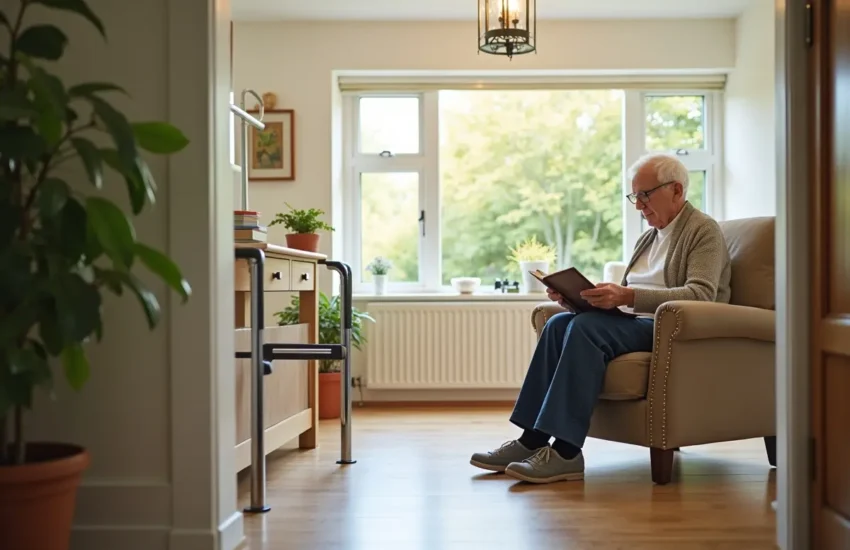
Live-in care eliminates the need for such a disruptive move, allowing seniors to continue living among their possessions, pets, and neighborhood connections. This stability is particularly crucial for individuals with cognitive impairments, as familiarity helps reduce disorientation and promotes emotional well-being.
Furthermore, live-in care enables truly personalized routines. In a facility, schedules are often standardized to accommodate multiple residents. For instance, mealtimes, bathing, and activity schedules are typically fixed. With a live-in caregiver, the senior’s existing routine can be largely preserved. If they prefer to wake up later, have breakfast at a specific time, or take their medications in a particular order, the caregiver can adapt to these preferences.
This flexibility empowers seniors to maintain control over their daily lives, fostering a sense of autonomy and contributing significantly to their overall quality of life. This tailored approach goes beyond mere task completion; it respects the individual’s lifestyle and personal history, ensuring care is integrated seamlessly into their preferred way of living.
The Role of Personal Concierge and Companion Services
Beyond the essential physical care, live-in senior care often encompasses a wide array of non-medical support and lifestyle assistance that significantly enhances a senior’s daily life. These services transform the caregiving role into that of a personal concierge and companion, addressing not just physical needs but also emotional, social, and logistical ones.
Caregivers can provide invaluable lifestyle assistance by managing household tasks that become challenging for seniors, such as grocery shopping, meal planning and preparation, light housekeeping, and running errands. This support ensures that the home environment remains safe, clean, and comfortable, alleviating burdens that might otherwise lead to stress or compromise safety. They can also assist with scheduling appointments, managing correspondence, and organizing personal spaces, helping seniors stay on top of their personal affairs.
Virtual companionship and fostering social engagement are increasingly vital components of live-in care. Loneliness and social isolation are significant concerns for many seniors, impacting their mental and physical health. A live-in caregiver provides a constant, reassuring presence, offering conversation, shared activities, and emotional support.
This companionship can involve reading aloud, playing games, watching movies, or simply engaging in meaningful dialogue. Caregivers can also facilitate social engagement by accompanying seniors to community events, religious services, or visits with friends and family. They can help seniors connect with loved ones through video calls or social media, bridging geographical distances and maintaining important relationships.
For a broader understanding of the various services available to support older adults living at home, including those focused on companionship and daily activities, the National Institute on Aging offers comprehensive resources. You can explore these options and learn more about how they contribute to well-being at Services for Older Adults Living at Home | National Institute on Aging. This holistic approach to care ensures that seniors not only receive the physical assistance they need but also enjoy a rich, engaged, and fulfilling life within their own homes.
Key Services and Candidates for Around-the-Clock Support
Live-in caregivers provide a comprehensive range of services designed to support seniors in their daily lives, ensuring their safety, comfort, and well-being. These services are typically tailored to the individual’s specific needs, but commonly include assistance with activities of daily living (ADLs), which are fundamental self-care tasks.
This encompasses help with bathing, dressing, grooming, toileting, and feeding. For many seniors, maintaining personal hygiene and appearance is crucial for their self-esteem and dignity, and a caregiver’s sensitive assistance can make a significant difference.
Beyond personal care, live-in caregivers often manage household tasks that contribute to a senior’s quality of life. Meal preparation is a primary example, ensuring seniors receive nutritious and appealing meals that cater to their dietary preferences and restrictions. This can range from cooking daily meals to preparing snacks and ensuring proper hydration. Medication reminders are another critical service, helping seniors adhere to their prescribed medication schedules, which is vital for managing chronic conditions and preventing health complications.
Caregivers also provide light housekeeping, such as tidying living areas, doing laundry, and maintaining a clean and organized home environment. This support frees seniors from strenuous chores and allows them to focus on activities they enjoy.
Mobility support is also a key aspect of live-in care. Caregivers assist with transferring, walking, and moving safely around the home, reducing the risk of falls and promoting physical activity. This might involve using assistive devices like walkers or wheelchairs, or simply offering a steadying arm. The continuous presence of a live-in caregiver means that help is always at hand, providing peace of mind for both the senior and their family.
Who Benefits Most from Live-In Support?
Live-in care is particularly beneficial for certain groups of seniors and families facing specific challenges. Individuals requiring constant supervision or extensive daily assistance often find this model ideal.
One of the most significant groups to benefit are seniors with dementia or Alzheimer’s disease. The consistent presence of a familiar caregiver in a familiar environment helps reduce confusion, anxiety, and the risk of wandering. Caregivers trained in dementia care can implement routines, engage seniors in stimulating activities, and manage behavioral challenges with patience and understanding, providing stability that is crucial for cognitive well-being. The demand for specialized in-home care for individuals with these conditions is significant, with over 15 million Americans currently caring for a loved one with Alzheimer’s or dementia.
Seniors undergoing post-surgery recovery or recovering from a serious illness also greatly benefit. After a hospital stay, the transition back home can be challenging, requiring continuous monitoring, medication management, wound care (if non-medical), and assistance with mobility. A live-in caregiver can provide the intensive, round-the-clock support needed to facilitate a safe and speedy recovery, preventing readmissions and ensuring adherence to post-discharge instructions.
Those with mobility issues or a high risk of falls are excellent candidates. The constant presence of a caregiver means immediate assistance is available, whether for transfers, walking, or responding to a fall. This proactive approach to fall prevention significantly enhances safety and allows seniors to move more confidently within their homes.
Finally, live-in care offers invaluable respite care for family caregivers. Many adult children or spouses take on significant caregiving responsibilities, which can lead to burnout, stress, and neglect of their own health. A live-in caregiver can provide a much-needed break, allowing family members to rest, attend to personal needs, or simply spend quality time with their loved one without the pressure of being the primary caregiver. This support helps sustain family relationships and ensures that the senior receives consistent, high-quality care even when family members are unavailable.
Screening, Training, and Caregiver Matching
The quality of live-in senior care hinges critically on the caliber of the caregivers and the rigor of the matching process. Reputable agencies prioritize comprehensive screening procedures to ensure the safety and trustworthiness of their care professionals. This typically includes thorough background checks, covering criminal history, driving records, and verification of previous employment and references. Beyond these essential checks, many agencies conduct psychological assessments to gauge empathy, patience, and problem-solving skills, which are vital attributes for live-in care.
Skills assessment is another crucial step. Caregivers are evaluated on their proficiency in providing personal care, managing medications, assisting with mobility, and handling household tasks. This often involves practical demonstrations and competency testing. Furthermore, continuous training standards are maintained to ensure caregivers are up-to-date with best practices in senior care, including specialized training for conditions like dementia, Parkinson’s disease, and post-operative recovery.
This ongoing education helps caregivers adapt to evolving care needs and provides the highest level of support. In many states, such as Virginia, there are specific regulations and licensing requirements for care providers and their staff, ensuring a baseline of quality and accountability. For example, the Licensed Care – Virginia Department of Social Services outlines standards that agencies must meet.
Perhaps one of the most critical aspects of successful live-in care is personality matching. A live-in caregiver becomes an intimate part of a senior’s daily life, sharing their home and routines. Therefore, compatibility in personality, interests, and even communication style is paramount. Agencies often employ a multi-step matching system that considers the senior’s habits, hobbies, temperament, and cultural background, alongside the caregiver’s profile.
The goal is to create a harmonious living arrangement where both the senior and caregiver feel comfortable and respected, fostering a positive and supportive relationship that goes beyond mere task execution. This thoughtful approach to matching ensures that the live-in care experience is not just effective but also genuinely enriching for the senior.
Financial Planning: Costs and Funding for In-Home Assistance
Understanding the financial implications of live-in senior care is a key concern for many families. The average cost of care can vary significantly, but live-in home care is often a more cost-effective alternative to nursing homes, with estimates ranging from $1,000 to $6,000 per month depending on location and care needs, as of June 2026. This range highlights the importance of a personalized assessment to determine specific expenses.
Several pricing factors influence the overall cost. The primary driver is the level of care required. Seniors with more complex medical needs, advanced dementia, or extensive mobility challenges will typically require caregivers with specialized skills and more intensive support, leading to higher costs.
The geographic location plays a substantial role, with care services in metropolitan areas or regions with a higher cost of living generally being more expensive than in rural areas. For instance, costs in Northern Virginia might differ significantly from those in other parts of the country.
Another unique aspect of live-in care pricing involves room and board offsets. Since the caregiver resides in the senior’s home, the family typically provides a private bedroom, bathroom access, and meals for the caregiver. This provision of lodging and food is often factored into the overall cost, effectively reducing the cash outlay compared to paying for a caregiver’s separate living expenses.
This arrangement can make live-in care a more economical option than continuous hourly care, especially when 24/7 presence is needed, as it avoids the cumulative expense of multiple shifts and overtime rates. When comparing options, families might look at various senior living options, including those offered by companies like Senior Lifestyle Options at Commonwealth Senior Living, to understand the full spectrum of costs associated with different care models.
How to Choose the Right Senior Care Provider
Selecting the appropriate live-in senior care provider is a critical decision that requires careful consideration. Families typically face a choice between hiring through an agency vs. direct hire. Agencies offer a structured approach, handling caregiver recruitment, screening, training, payroll, taxes, insurance, and providing backup caregivers if the primary one is unavailable. This can offer significant peace of mind, as the agency assumes employer responsibilities and ensures continuity of care. However, agency fees can be higher.
Direct hiring, on the other hand, involves the family taking on all employer responsibilities, including background checks, scheduling, payroll, and managing any issues that arise. While potentially more cost-effective, it demands a substantial time commitment and legal understanding from the family.
Regardless of the hiring method, a comprehensive caregiver agreement or contract is essential. This legally binding document should clearly outline the scope of services, caregiver responsibilities, working hours (including sleep breaks), compensation, terms of employment, and expectations regarding the home environment. It should also address specifics like transportation, use of personal vehicles, and communication protocols.
Crucially, the agreement must detail termination rights for both parties, including notice periods and procedures. This protects both the senior and the caregiver, ensuring a smooth transition if the arrangement needs to end. Families should also clearly define contract essentials such as emergency procedures, confidentiality clauses, and provisions for resolving disputes.
Resources like SeniorNavigator can provide general guidance and information on navigating senior care services and understanding what to look for in a provider or agreement. Taking the time to establish a clear and comprehensive contract upfront can prevent misunderstandings and foster a positive, professional caregiving relationship.
Payment Options and Financial Assistance Programs
Navigating the costs of live-in senior care can be complex, but several payment options and financial assistance programs exist to help families manage these expenses. Understanding these avenues is crucial for long-term planning.
Long-term care insurance is one of the most common private funding sources for live-in care. These policies are designed specifically to cover services that assist with activities of daily living, including personal care and companionship provided in the home. However, coverage limits and waiting periods vary significantly by policy, so review the specifics of an individual’s plan.
For eligible veterans and their spouses, Veterans benefits such as the Aid and Attendance program can provide financial assistance for in-home care. This benefit helps cover the cost of care for those who meet certain service, medical, and financial criteria. It can be a significant resource for veterans needing substantial daily assistance.
Medicaid Home and Community-Based Services (HCBS) waivers are state-specific programs that allow eligible individuals to receive long-term care services in their homes or communities rather than in institutions. These waivers typically cover a range of non-medical services, including personal care, homemaker services, and respite care, which can include aspects of live-in support. Eligibility for Medicaid and its waiver programs is based on income, assets, and functional need, varying by state.
It’s important to note Medicare limitations when it comes to long-term live-in care. Medicare primarily covers short-term, medically necessary home health care, such as skilled nursing, physical therapy, or occupational therapy, for individuals who are homebound. It generally does not cover non-medical personal care, companionship, or long-term live-in services. Families should not rely on traditional Medicare for ongoing live-in support.
Finally, reverse mortgages can be an option for homeowners aged 62 or older who wish to convert a portion of their home equity into cash. This money can then be used to pay for live-in care services, allowing seniors to remain in their homes without having to sell them.
However, reverse mortgages come with fees and interest, and the loan must be repaid when the homeowner moves out or passes away, so it’s a decision that requires careful financial planning and professional advice. For comprehensive information on various elder care services and financial assistance programs, the Eldercare Locator is an excellent federal resource.
Frequently Asked Questions About In-Home Support
How quickly can live-in care services typically be arranged?
The speed at which live-in care services can be arranged often depends on the urgency of the need and the specific agency or provider. In many cases, reputable agencies are equipped to facilitate care quickly, especially for urgent situations. After an initial consultation to assess needs, a comprehensive assessment is conducted, usually within 24-48 hours. This assessment helps to create a personalized care plan and identify suitable caregivers.
For critical needs, such as hospital discharge coordination, where a senior needs immediate support upon returning home, agencies can often expedite the process. It’s not uncommon for services to begin within 48 hours of the initial inquiry, and in some urgent scenarios, same-day placement might even be possible if a suitable caregiver is available and all necessary checks are completed.
However, for a more thorough caregiver matching process that ensures optimal compatibility, a few days to a week might be preferred. Proactive planning, even before an immediate need arises, can help streamline the arrangement process.
What are the private room and food requirements for a live-in caregiver?
For a live-in caregiver to effectively provide continuous support and maintain their well-being, certain provisions must be made within the senior’s home. Primarily, the caregiver requires a private bedroom for rest and privacy. This space should be comfortable and conducive to sleep, allowing the caregiver to recharge during their designated off-duty hours. It’s a legal and ethical requirement to ensure they have adequate rest.
In addition to a private sleeping area, caregivers typically need access to a bathroom and kitchen facilities. While they are expected to prepare their own meals, the family usually covers the cost of the caregiver’s food or provides a food allowance. Meal arrangements should be discussed and agreed upon in the caregiver agreement, ensuring clarity on who is responsible for groceries and meal preparation for the caregiver.
While a live-in caregiver is present 24/7, they are not continuously “on duty” for all 24 hours. They are entitled to designated sleep periods (typically 8 hours, with 5 uninterrupted) and daily breaks. During their sleep period, they are generally available for urgent needs but are not expected to be actively providing care. These requirements are in place to prevent caregiver burnout and ensure they can provide high-quality care consistently. Clear communication about these expectations during the initial setup is vital for a successful live-in care arrangement.
Does Medicare cover non-medical live-in senior care?
This is a common and important question for families exploring live-in senior care, and the answer is generally no. Medicare limitations mean that it typically does not cover the costs of long-term, non-medical live-in care. Medicare’s primary focus is on short-term, medically necessary care for individuals who are homebound. This can include services like skilled nursing care, physical therapy, occupational therapy, or speech-language pathology, provided by a Medicare-certified home health agency for a limited duration.
However, services such as assistance with activities of daily living (bathing, dressing, eating), companionship, meal preparation, or light housekeeping—which form the core of non-medical live-in care—are generally not covered by traditional Medicare. If a senior requires these types of services for an extended period, families will need to explore private pay alternatives or other funding sources.
As discussed earlier, options like long-term care insurance, Medicaid HCBS waivers (for eligible individuals), and Veterans benefits (such as Aid and Attendance) are more likely to provide financial assistance for non-medical live-in care.
Some Medicare Advantage plans might offer limited coverage for certain non-medical home care services, but this varies greatly by plan and region, and typically does not extend to full live-in arrangements. Therefore, families should always verify coverage directly with their insurance providers and consider a diverse financial strategy for long-term live-in support.
Conclusion
Choosing the right senior care solution is one of the most significant decisions a family can make. Live-in senior care offers a compelling answer for many, providing a unique blend of continuous support, personalized attention, and the invaluable comfort of one’s own home. As we’ve explored, this model allows seniors to continue maintaining independence and control over their daily lives, fostering a sense of dignity that is often diminished in institutional settings.
The profound impact on a senior’s quality of life cannot be overstated. By remaining in familiar surroundings, surrounded by cherished memories and routines, seniors can experience reduced stress, improved emotional well-being, and greater engagement with their community. For families, live-in care provides immense peace of mind, knowing that a dedicated, compassionate caregiver is consistently present to ensure their loved one’s safety and well-being, day and night.
We encourage families to engage in proactive planning, thoroughly researching all available options and considering the long-term needs and preferences of their loved ones. Understanding the nuances of live-in care, its benefits, costs, and funding avenues empowers families to make informed decisions that honor their senior’s wishes. By embracing a holistic approach to lifestyle coordination and care, we can ensure our elders receive the support they deserve, allowing them to age gracefully and comfortably in the homes they love.