The Importance of Professional Roofing and Storm Restoration
The term “insurance approved roof contractor” often causes confusion. It doesn’t typically mean a contractor is directly endorsed or certified by an insurance company in the same way a mechanic might be “ASE certified.” Instead, it signifies a roofing company that has a proven track record of working effectively and ethically with insurance providers to facilitate claims. These contractors understand the intricacies of insurance policies, the claims process, and the documentation required to ensure homeowners receive fair compensation for covered damages.
For a roofing contractor to be considered “insurance approved” or to work directly with insurance companies, they generally possess several key attributes:
- Expertise in Claims Navigation: They are proficient in interpreting insurance policies, identifying covered perils, and understanding the difference between actual cash value (ACV) and replacement cost value (RCV) policies.
- Detailed and Accurate Estimating: They provide comprehensive, itemized estimates that align with industry standards and insurance company requirements. This includes using software like Xactimate, which is often used by adjusters.
- Direct Communication and Billing: While they don’t work for the insurance company, they often communicate directly with adjusters and may handle the billing process, easing the administrative burden on homeowners.
- Credentialing and Reputation: They maintain proper licensing, insurance, and a strong local reputation for quality work and ethical practices. This includes adherence to state-specific guidelines, such as the comprehensive Texas Department of Insurance guidelines for roofing and insurance.
- Advocacy for the Homeowner: Their primary allegiance is to the homeowner. They ensure that the scope of repairs fully addresses the damage and that the homeowner’s rights are protected throughout the process.
When you’re searching for a reliable partner in roof restoration, whether you’re in a major metropolitan area or a smaller community, understanding these attributes is crucial. Reputable Dallas roofing contractors, for example, will emphasize their experience in navigating insurance claims, ensuring homeowners’ needs are met with professionalism and clarity. The roofing contractors industry is projected to reach a market size of $58.1 billion by 2028, highlighting the significant role these professionals play in property maintenance and restoration.
The Role of Professional Roofing in Storm Damage Restoration
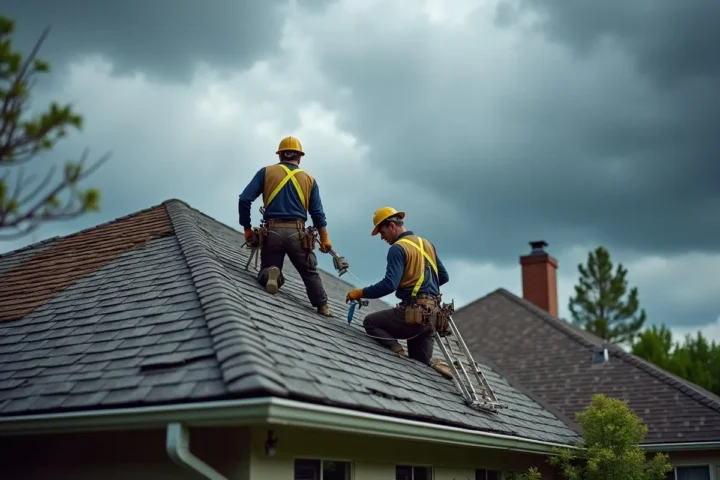
When severe weather strikes, your roof bears the brunt of the impact. Storm damage can manifest in various ways, from subtle issues to immediate structural compromise. This is where a professional roofing contractor specializing in storm restoration becomes indispensable.
Storm damage encompasses a range of issues caused by natural events. This includes everything from heavy rain and high winds to hail and falling debris. Understanding the specific type of damage is crucial for effective repair and insurance claims.
For instance, hail damage roof repair requires a keen eye to spot hidden impacts that might not be immediately visible but can compromise your roof’s integrity over time. Similarly, wind damage roof repair addresses issues like lifted or missing shingles, which can expose your home to water intrusion.
Here are some common indicators of storm damage that a professional roofing contractor will look for:
- Missing or Damaged Shingles: High winds can lift, tear, or completely remove shingles, leaving your underlayment exposed.
- Granule Loss: Hail impacts often dislodge the protective granules from asphalt shingles, reducing their lifespan and weather resistance. You might find these granules in your gutters.
- Cracked or Bruised Shingles: Hail can cause cracks or soft spots in shingles that may not be immediately apparent but can lead to leaks.
- Dents on Vents, Gutters, or Flashing: Metal components on your roof are often good indicators of hail size and impact severity.
- Interior Water Stains: Leaks are a clear sign of roof compromise, often appearing as stains on ceilings or walls.
- Debris on the Roof: Fallen branches or other storm debris can cause punctures or structural damage.
Wind uplift is another critical concern. Strong winds can create pressure differences that literally pull roofing materials away from the deck, leading to significant structural integrity issues. A thorough inspection by a professional will assess not only visible damage but also potential weaknesses that could lead to future problems.
With the average roof replacement costing between $9,000 and $10,000, and often more in regions like Texas where replacements can range from $10,000 to $30,000, addressing storm damage promptly and professionally is a significant investment in your home’s protection.
Navigating the Insurance Claims Process with Certified Experts
The insurance claims process can be daunting, especially when dealing with the aftermath of roof damage. This is where certified experts, particularly those with extensive insurance claims assistance experience, prove invaluable. They act as your advocate, streamlining the process and ensuring you receive the full benefits of your policy.
Here’s how these professionals typically assist:
- Initial Damage Assessment: After you suspect roof damage, a professional contractor will perform a thorough inspection, documenting all visible and hidden issues with photos and detailed reports. This comprehensive assessment forms the basis of your claim.
- Filing the Claim: While you, the homeowner, initiate the claim with your insurance company, your contractor can guide you through the necessary steps and provide all required documentation. Filing an insurance claim often takes as little as 10 minutes, but the follow-up documentation is key.
- Adjuster Meetings: A significant benefit of working with an experienced contractor is their presence during the insurance adjuster’s inspection. They can point out damage that might otherwise be overlooked, speak the “language” of insurance, and ensure the adjuster has a complete understanding of the repair scope.
- Scope of Work and Estimate Review: The contractor will prepare a detailed, itemized estimate for repairs or replacement. They will then compare this with the adjuster’s assessment, negotiating on your behalf if there are discrepancies to ensure the approved scope of work adequately covers all necessary repairs.
- Claim Approval and Project Execution: Once the claim is approved, the contractor proceeds with the work, adhering to the agreed-upon scope and quality standards. They manage the project from start to finish, including any necessary subcontractor work, ensuring timely completion.
Understanding your policy is paramount. A key distinction lies between Actual Cash Value (ACV) and Replacement Cost Value (RCV) policies:
| Feature | Actual Cash Value (ACV) | Replacement Cost Value (RCV) |
| Definition | Pays the depreciated value of the damaged item based on its age and wear. | Pays the full cost to replace the damaged item with a new one of similar quality today. |
| Payout Process | The initial (and final) payout is the depreciated value. | The initial payout is often the ACV, with the remaining balance paid after repairs are completed. |
| Homeowner Cost | Homeowner pays the difference between the depreciated payout and the cost of a new item. | Homeowner generally pays only the deductible. |
| Financial Impact | Higher out-of-pocket expenses for the homeowner. | Lower out-of-pocket expenses for the homeowner. |
Key Qualifications of a Professional Roofing Contractor
Choosing the right roofing contractor is paramount, especially when dealing with insurance claims. A truly professional roofing contractor possesses a combination of qualifications that instill confidence and ensure quality work.
First and foremost is licensing. A legitimate contractor will be licensed by the state or local municipality where they operate. This ensures they meet minimum standards for competency and business practices. Along with licensing, comprehensive general liability insurance is non-negotiable. This protects you from damages to your property or injuries that might occur during the roofing project.
Reputable insurance programs for roofing contractors often include general liability limits of $1 million/$2 million, with some offering excess/umbrella coverage up to $5 million. Furthermore, they should carry workers’ compensation insurance, protecting their employees and preventing you from being liable if a worker is injured on your property.
Beyond these foundational requirements, look for a strong local reputation. A contractor with deep roots in the community has a vested interest in maintaining customer satisfaction. They rely on word-of-mouth and positive reviews, unlike transient “storm chasers.” Directories like the Strengthen Your Coastal Roof directory provide lists of vetted contractors, particularly those with specialized certifications for resilient roofing. For homeowners in Texas, finding a reliable Prosper TX roofer who understands local building codes and weather patterns can make a significant difference.
Why Manufacturer Certifications Matter for Professional Roofing
Manufacturer certifications are a strong indicator of a roofing contractor’s commitment to quality, training, and adherence to specific installation standards. These certifications are not easily obtained and require contractors to meet stringent criteria set by leading roofing material manufacturers.
- GAF Certification: Being a GAF Certified Contractor, for instance, means the company has met specific requirements for professionalism, reliability, and expertise. This often allows them to offer enhanced warranties that standard contractors cannot. You can often find GAF certified contractors in Oklahoma through manufacturer directories, ensuring you’re working with a trusted professional.
- CertainTeed SELECT ShingleMaster: This is one of CertainTeed’s highest credentials, placing contractors in the top tier of the industry. SELECT ShingleMasters are authorized to offer SureStart PLUS 4-Star and 5-Star warranties, which provide extended, comprehensive coverage for materials, labor, tear-off, and disposal for up to 50 years.
- Owens Corning Platinum Preferred Contractor: Contractors with this designation are part of an exclusive network, recognized for their commitment to service, reliability, and unparalleled craftsmanship. They can offer the strongest Owens Corning warranties, including workmanship coverage.
These certifications mean that the contractor’s installers have received specialized training directly from the manufacturer, ensuring that the products are installed correctly according to specifications. This not only guarantees the performance of your new roof but also validates the manufacturer’s warranty, which can be a significant long-term benefit. When seeking a Celina TX roofer, verifying these certifications can help ensure a durable and warrantied roof.
Verifying Credentials and Avoiding Storm Chaser Scams
In the wake of a storm, homeowners often become targets for unscrupulous “storm chasers” or door-to-door roofers who promise quick fixes or even “free” roofs. Verifying a contractor’s credentials is your best defense against scams and shoddy workmanship.
Here’s how to protect yourself and identify red flags:
- Check for Local Presence: Legitimate contractors typically have an established local office, a local phone number, and a history of working in your community. Be wary of contractors who only appear after a storm and have no verifiable local presence.
- Verify Licensing and Insurance: Always ask for proof of licensing and insurance (general liability and workers’ compensation). You can often verify licenses through state regulatory bodies, such as checking for Oklahoma registered contractors through the Oklahoma Insurance Department.
- Ask for References and Reviews: A reputable contractor will gladly provide references from previous clients. Check online reviews on platforms like Google, BBB, and local community forums. For example, looking at Plano TX roofing reviews can give you insight into a company’s reputation and customer satisfaction.
- Beware of “Free Roof” Promises: No legitimate contractor can offer a “free roof.” Insurance policies have deductibles that homeowners are responsible for. Contractors who offer to waive or absorb your deductible are often engaging in insurance fraud, which can have legal consequences for you as well.
- Avoid High-Pressure Sales Tactics: Be cautious of contractors who demand immediate decisions, push for exclusive contracts, or pressure you to sign paperwork before your insurance adjuster has even assessed the damage.
- Never Pay the Full Amount Upfront: A reasonable payment schedule typically involves an initial deposit, with subsequent payments tied to project milestones. Paying the full amount upfront leaves you vulnerable if the contractor disappears or fails to complete the work.
- Review Contracts Carefully: Read all contracts thoroughly before signing. Ensure it includes a detailed scope of work, materials to be used, payment schedule, and warranty information. Understand your rights regarding contract cancellation, which may vary by state.
The surge in insurance non-renewals, particularly in states like Florida due to aging roofs, underscores the importance of proper roof maintenance and legitimate repairs. Hiring a reputable, credentialed contractor ensures your roof meets current codes and standards, potentially leading to potential insurance savings of 10-20% by bringing roofs up to code.
Long-Term Benefits of Professional Roofing and Warranties
Investing in professional roofing, especially after storm damage, offers significant long-term benefits that extend beyond immediate repairs. A properly installed roof by a certified contractor is an investment in your home’s durability, energy efficiency, and overall value.
When you choose a professional for roof replacement or comprehensive roof repair after storm damage roofing, you’re not just getting new materials; you’re getting expert craftsmanship. This ensures that your roof is built to withstand future weather events, prolonging its lifespan and protecting your home’s interior. High-quality materials, combined with professional installation, contribute to better insulation, potentially reducing your energy bills over time.
One of the most crucial long-term benefits is the warranty coverage. Reputable contractors and manufacturers offer robust warranties that protect your investment. These can include:
- Manufacturer’s Material Warranty: Covers defects in the roofing materials themselves, often for 25-50 years, or even lifetime.
- Contractor’s Workmanship Warranty: Covers the quality of the installation, typically for 5-10 years, but some certified contractors offer extended workmanship warranties through manufacturers.
These warranties provide peace of mind, knowing that if an issue arises due to material defect or installation error, you’re covered. This lifetime protection not only safeguards your home but also adds significant property value. When it comes time to sell, a well-maintained, warrantied roof is a major selling point, signaling to potential buyers that the home has been cared for and is protected against the elements.
Frequently Asked Questions About Insurance Approved Roofers
Homeowners often have many questions when facing roof damage and navigating insurance claims. Here, we address some of the most common inquiries to provide clarity and empower you with knowledge.
How do I know if my roof damage is covered by insurance?
Most homeowners insurance policies cover sudden and accidental damage caused by specific “perils.” These typically include:
- Wind Damage: Missing or uplifted shingles, damage from falling trees or debris caused by wind.
- Hail Impact: Dents, cracks, or granule loss on shingles, or damage to other roof components like vents and gutters.
- Fire: Damage caused by fire or lightning strikes.
However, policies generally exclude damage resulting from:
- Wear and Tear: Gradual deterioration due to aging, lack of maintenance, or normal weathering.
- Poor Maintenance: Damage that could have been prevented by regular upkeep.
- Faulty Installation or Materials: Issues arising from improper installation or defective materials (these would typically be covered by contractor or manufacturer warranties, not your homeowner’s insurance).
It’s crucial to review your specific policy documents or speak with your insurance agent to understand your coverage limits, deductibles, and any specific exclusions related to roof damage.
Can a roofing contractor pay my insurance deductible?
No, a legitimate roofing contractor cannot legally pay, waive, or absorb your insurance deductible. Your deductible is the portion of the claim that you, the homeowner, are responsible for paying out-of-pocket before your insurance coverage kicks in.
Laws in many states, including Texas and Oklahoma, prohibit contractors from offering to pay deductibles or providing rebates that effectively reduce your deductible. Such practices are considered insurance fraud. If a contractor offers to do this, it’s a significant red flag. They might attempt to compensate for the deductible by inflating the repair cost, using lower-quality materials, or cutting corners on workmanship, which could lead to future problems and potentially jeopardize your insurance claim. Always be transparent with your insurance company and ensure all payments are handled legally and ethically.
What is the difference between ACV and RCV roof coverage?
Understanding the distinction between Actual Cash Value (ACV) and Replacement Cost Value (RCV) is vital, as it directly impacts your out-of-pocket costs for roof replacement.
- Actual Cash Value (ACV): An ACV policy pays the depreciated value of your roof at the time of the loss. This means the insurance company subtracts an amount for wear and tear, age, and condition from the cost of a new roof. For example, if your 15-year-old roof is damaged and its replacement cost is $15,000, but its ACV is only $5,000 due to depreciation, you would receive $5,000 (minus your deductible). You would then be responsible for the remaining $10,000 plus your deductible to replace the roof.
- Replacement Cost Value (RCV): An RCV policy covers the full cost to replace your damaged roof with a new one of similar quality, without deduction for depreciation. Typically, the insurance company will issue an initial payment based on the ACV, and then release the recoverable depreciation (the difference between ACV and RCV) once the repairs are completed and proof of completion is submitted. With an RCV policy, your only out-of-pocket expense for a covered claim is your deductible.
Most homeowners prefer RCV coverage for their roofs due to the significantly lower out-of-pocket costs. It’s important to know which type of coverage you have before a storm hits.
Conclusion
Navigating roof damage and insurance claims can be a challenging experience for any homeowner. However, by understanding the critical role of an expert insurance roofing contractor, you can transform a stressful situation into a smooth and successful restoration project. These professionals bring expertise in damage assessment, meticulous documentation, and skilled negotiation with insurance adjusters, all while ensuring your roof is repaired or replaced to the highest standards.
Choosing a contractor with proper licensing, comprehensive insurance, strong manufacturer certifications, and a stellar local reputation is an investment in your home’s future. They are your allies in protecting your property, maximizing your insurance benefits, and providing the long-term peace of mind that comes with a durable, warrantied roof.
Don’t wait until disaster strikes to find the right partner. Proactive maintenance and knowing who to call are your best defenses. For expert guidance and reliable storm damage roofing solutions, we encourage you to contact us today. Let us help you protect your most valuable asset. Call 580-238-3369 to schedule a consultation or learn more about our comprehensive insurance claims assistance services.