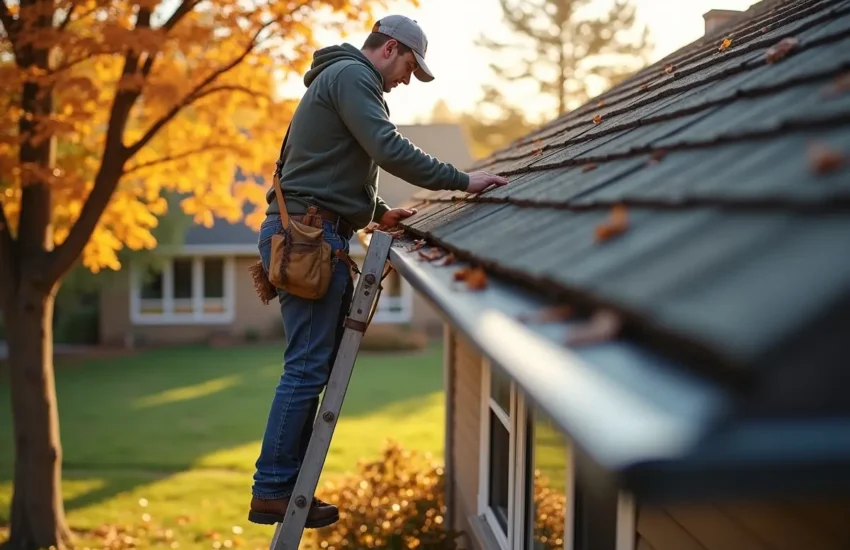
Sustainable Approaches to Residential and Commercial Paving
As sustainability takes center stage in the construction industry, both homeowners and businesses are rethinking how paving can support environmental goals. Eco-friendly paving practices minimize environmental harm, conserve resources, and can reduce costs over time. If you are looking to update your driveway, parking lot, or paths with modern materials, exploring high-quality paving solutions that are environmentally responsible is a crucial first step.
Eco-conscious consumers now have access to paving materials and technologies that significantly lower waste, limit pollution, and improve water management. In addition to being green, these practices result in durable surfaces that withstand the test of time with less maintenance. Sustainable paving is not only about product selection but also about smart installation techniques and responsible maintenance practices over the years.
Commercial properties benefit by attracting eco-minded tenants and customers, while residential properties see increased longevity and reduced repair costs. With cities facing greater demands on their stormwater systems and landfills, it has never been more important to adopt paving approaches that support a healthier planet for everyone.
Many of these innovations are backed by industry research and practical results across diverse settings, offering confidence to property owners seeking to switch to sustainable alternatives.
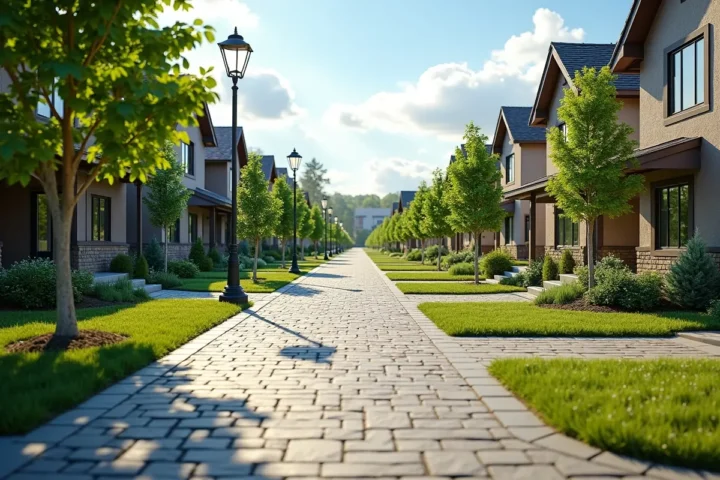
Recycled Asphalt Pavement (RAP)
Recycled Asphalt Pavement, often abbreviated as RAP, is a standout example of sustainability in construction. The process involves removing previously used asphalt, milling or crushing it, and then reusing it in new pavement layers. The widespread adoption of RAP has helped the U.S. asphalt industry become the country’s largest recycler.
By keeping millions of tons of asphalt out of landfills, RAP conserves raw materials and reduces the energy needed to produce new asphalt. Major transportation agencies and municipalities now favor RAP, not only for its environmental benefits but also because it performs at par with, or better than, virgin materials when engineered properly. You can learn more about the push for recycled materials in paving at the EPA’s guide to sustainable construction.
Permeable Paving Solutions
Permeable paving options are gaining popularity among both residential and commercial properties as urban areas expand and impervious surfaces increase. These systems use specially designed pavers, such as permeable concrete, permeable asphalt, or plastic grids containing aggregate, to allow stormwater to seep through the pavement into the ground below.
This minimizes runoff, lowers the risk of local flooding, and recharges aquifers. As climate change impacts weather patterns, permeable paving helps cities and property owners adapt by lessening the burden on traditional drainage systems and reducing water pollution from surface flows.
Warm-Mix Asphalt
Warm-mix asphalt (WMA) is an innovative paving approach designed to reduce the temperatures required for asphalt production and installation. Lowering these temperatures by 30 to 100 degrees Fahrenheit significantly reduces fuel consumption and greenhouse gas and volatile organic compound emissions.
Because WMA remains workable at lower temps, these mixes can be laid over a longer season, minimizing delays and allowing for safer, healthier conditions for workers compared to traditional methods. The National Asphalt Pavement Association details substantial gains made possible by the adoption of WMA nationwide, making it a win for both the environment and the workforce.
Bio-Based Binders
Bio-based binders represent another major leap toward sustainable infrastructure. Traditionally, asphalt relies on petroleum-derived binders; however, bio-based alternatives use renewable agricultural products and waste oils to bind aggregates together.
These products significantly reduce the carbon footprint of paving projects while often maintaining, or even improving, performance in various climates. For communities focused on lowering greenhouse gas emissions and reducing dependence on fossil fuels, bio-based binders enable paving projects to align with broader sustainability campaigns.
Advanced Equipment and Technology
The latest paving equipment and technological advancements have a profound impact on both installation quality and environmental outcomes. Intelligent compaction systems now measure pavement density in real time, ensuring the optimal amount of material is used and that it is evenly distributed. This increases surface longevity and minimizes waste.
Digital quality control platforms enable instant feedback and fine-tuning, leading to greater consistency and more informed material choices. Some machines now even use electric power or hybrid options, further decreasing fossil fuel usage and reducing operational noise, which benefits both workers and neighboring communities.
Routine Maintenance and Sealcoating
Keeping paved surfaces in top condition starts with proactive maintenance. Regular inspections catch small issues before they escalate into costly repairs, reducing the need for patching and replacements.
Sealcoating is a protective measure that guards asphalt surfaces against UV rays, water infiltration, and chemical spills, extending the healthy lifespan of driveways and parking lots. Sustainable maintenance routines save both money and resources and support a healthier paved environment by reducing the amount of materials that end up in landfills.
Regulatory Incentives and Standards
Many local, state, and federal governments are encouraging eco-friendly paving through tax incentives, regulations, and grant programs. Municipal standards may require specific percentages of recycled content or favor permeable or other green solutions for new construction or repaving projects. Staying informed about evolving regulations and incentive options enables property owners and managers to realize cost savings while helping reduce the industry’s ecological footprint.
Conclusion
Adopting sustainable methods for both residential and commercial paving is a practical and responsible choice with far-reaching benefits. By using recycled asphalt, permeable systems, warm-mix technologies, bio-based products, and cutting-edge installation practices, it is possible to deliver long-lasting, high-performance surfaces that minimize environmental harm.
With support from regulatory bodies and industry experts, it is easier than ever to take meaningful action for the planet while reducing long-term costs and enhancing durability for your next paving project.