
Strengthen Your Knees with These Simple Pre and Post Surgery Exercises
Most people don’t truly appreciate how much their knees do until they start to ache or give out. Whether it’s climbing the stairs, standing from a chair, or taking a walk around the park, every movement depends on their strength and flexibility. For those planning or recovering from a knee replacement procedure, preparation and post surgery care can make all the difference in recovery and confidence.
It’s normal to feel anxious before surgery or uncertain about how much activity is safe afterward. But movement, when done correctly and consistently, is one of the best tools to regain strength, stability, and comfort. These simple exercises can help prepare the knees for surgery and build resilience afterward.
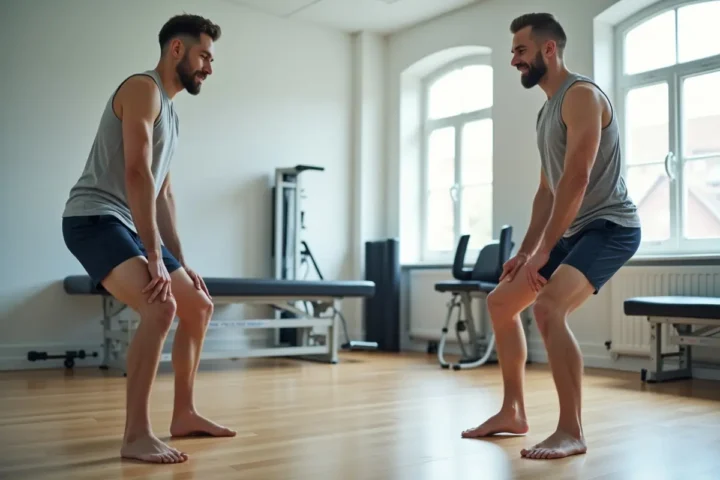
Think of it as training for a marathon that leads to better mobility, less pain, and greater independence. The goal isn’t perfection but progress, one gentle movement at a time.
Preparing Your Knees Before Surgery
Pre surgery exercises, often called prehabilitation, are recommended to help the body adapt better to the upcoming procedure. A stronger and more flexible knee before surgery means faster healing afterward. These movements should be gentle yet steady, helping maintain joint mobility without causing strain.
Building Muscle Strength
Muscles around the knees, especially the quadriceps and hamstrings, play a vital role in supporting body weight and joint stability. Strengthening them before surgery can improve stability and lead to a smoother recovery. Simple activities such as straight leg raises or seated knee extensions can be done from a chair or bed. The idea is to wake up the muscles without overstraining them.
Regular practice can also increase blood flow to the area, helping tissues stay nourished and ready for healing. Those preparing for surgery often find it encouraging to notice small improvements in strength, giving them more confidence for the days ahead.
Maintaining Flexibility and Balance
Flexibility may not sound as important as strength, but it’s equally essential for improving knee function. Gentle stretching of the calf, thigh, and hip muscles helps maintain motion and reduce stiffness. Holding stretches for a few seconds without bouncing allows muscle fibers to relax safely.
Balance focused exercises such as standing on one foot while holding onto a sturdy surface can also sharpen coordination. Improving balance lowers the risk of falls and strengthens the muscles used for standing and walking, two key movements after surgery.
Focusing on Low Impact Movement
Not every exercise needs to be intense to be effective. Low impact movements such as cycling on a stationary bike or gentle water exercises can enhance endurance without stressing the joints. The buoyancy of water supports body weight, allowing pain free movement.
These types of activities also improve cardiovascular health, which helps the body cope better during and after surgery. Listening to the body’s signals is vital, some discomfort is expected, but sharp pain is a sign to pause and rest.
Boosting Recovery After Surgery
Once the surgery is done, the focus shifts from preparation to restoration. Post surgery exercises help the new joint regain flexibility and strength. While progress may feel slow at first, consistent effort pays off with smoother movement and less stiffness over time.
Starting Slowly and Safely
During the first few weeks after surgery, gentle movements help reduce swelling, prevent stiffness, and improve circulation. It’s common for physical therapists to recommend simple actions such as ankle pumps, knee bends, or tightening the thigh muscles while lying down.
Patience becomes a key ally during this stage. Each small step forward, even if minor, contributes to long term progress. The goal is to move comfortably and rebuild trust in the knee, not to rush into heavy exercise.
Strengthening Over Time
As the body adapts, strength building activities become more important. Light resistance exercises can help restore muscle tone and coordination. One common example is performing mini squats against a wall or lifting the leg straight while keeping the knee supported. These gradual challenges train the muscles surrounding the knee to work together again, improving stability and endurance.
It’s natural to have days when the knee feels stiff or sore. On those days, adjusting the routine and resting when needed prevents setbacks. Consistency matters more than intensity, it’s the steady practice of daily effort that brings lasting results.
Finding Motivation and Support
Recovery is not just a physical journey but an emotional one too. Motivation often fluctuates, especially when progress feels slower than expected. Having a supportive circle of family, friends, or healthcare professionals can make all the difference. Words of encouragement, small milestones, and shared laughter keep the spirit strong.
Many people find that tracking their improvements, such as walking a few more steps or bending the knee a little further, provides reassurance. It’s these small victories that remind them how far they’ve come. With time and gentle persistence, the knee becomes stronger, more flexible, and capable of supporting an active, fulfilling life.
The journey before and after knee surgery requires patience, kindness, and commitment. Every stretch and strengthening move contributes to regaining confidence and independence. By embracing regular movement, maintaining a positive outlook, and working closely with medical guidance, anyone can step forward with steadier knees and a stronger sense of well being.