
How Strategic Retail Layouts Drive Sales and Customer Loyalty
In an era increasingly dominated by e-commerce, the physical storefront remains a highly powerful tool for business owners. A brick-and-mortar retail space is far more than just a place to hold inventory.
It acts as a three-dimensional marketing asset that dictates how long customers linger, what they ultimately purchase, and whether they decide to return. For modern entrepreneurs, optimising this physical environment is a critical operational strategy that directly impacts overall profitability. It requires a blend of aesthetic appeal, customer psychology, and operational efficiency to stand out in today’s highly competitive market.
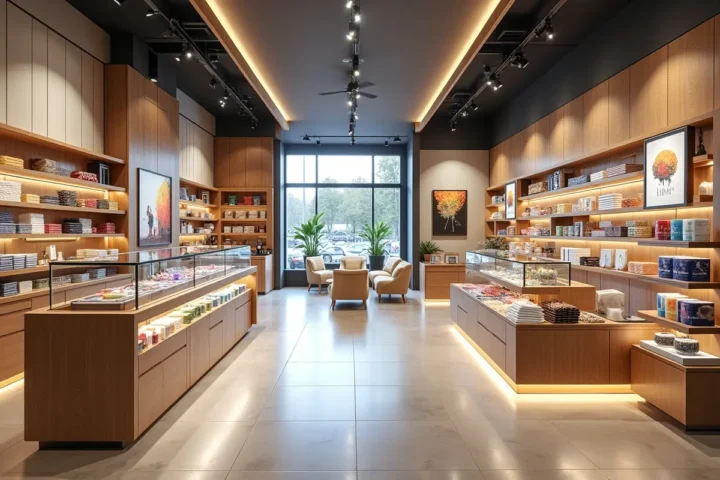
The Psychology Behind Store Atmospherics
Understanding how a physical space influences shopping behaviour is the very first step in designing a profitable retail store. Consumers do not simply buy products; they buy into an environment.
According to store layout design tips for optimal sales from FedEx’s Small Business Resource Center, specific environmental cues—such as a thoughtfully planned floor flow, spatial configurations, and lighting arrangements—significantly shape consumer perceptions and directly influence purchasing decisions. Every element, from aisle width to colour schemes, can either encourage exploration or drive people away.
When business owners decide to upgrade their premises or establish a brand new physical location, executing this psychological strategy requires professional insight.
For instance, if a growing enterprise is expanding regionally, collaborating with local specialists who manage shop fitouts in Central Coast ensures the commercial design perfectly matches both the corporate brand identity and the specific demographics of the local market. Tailoring the atmosphere to the local audience helps shoppers feel instantly comfortable.
Core Spatial Principles for Maximising Revenue
Creating a layout that consistently drives revenue involves clear, methodical space planning. While software and administrative systems are widely considered essential tools for today’s business owners, the physical floor plan is an equally important tool for revenue generation. Optimising a retail layout relies on strategic spatial arrangements to guide customer flow, highlight premium products, and create an inviting atmosphere.
To implement these concepts effectively, business owners should focus on several vital structural elements:
- The Decompression Zone: This is the first few feet inside a store where customers transition from the outside world. This area should remain wide and uncluttered to let shoppers adjust to the new lighting, sounds, and atmosphere before they are presented with merchandise.
- The Right-Turn Flow: Global retail data consistently shows that shoppers naturally drift to the right upon entering a new space. Placing high-margin items, visually striking displays, or seasonal promotions in this specific path can significantly boost initial sales.
- Strategic Speed Bumps: These are carefully placed product displays, central tables, or engaging signage that break up long, monotonous aisles. They force customers to slow their walking pace, encouraging them to notice merchandise they might have otherwise walked past.
- Layered Illumination: Mixing ambient overhead lights, functional task lighting at registers, and spotlighting accents ensures the space is well-lit while purposely drawing attention to specific product lines.
Adapting Layouts to Changing Retail Trends
The retail landscape is never static, which means a store floor plan should retain a degree of flexibility. Seasonal shifts, new product launches, and evolving consumer preferences require businesses to adapt their physical presentation throughout the year. Furthermore, temporary pop-up sections within the store can create a sense of urgency and exclusivity, encouraging shoppers to purchase limited-edition items before they disappear.
Utilising modular shelving, movable display tables, and adjustable hanging fixtures allows staff to refresh the environment entirely without having to undertake a massive, costly renovation. This adaptability keeps the space feeling fresh and exciting for regular, returning patrons while still maintaining the core structural flow that successfully drives sales from first-time visitors. A dynamic space gives customers a compelling reason to keep coming back.
Fostering Long-Term Customer Loyalty
A well-planned retail layout achieves much more than a quick, one-time transaction. It actively contributes to long-term customer loyalty and positive brand perception. When a store is easy to navigate, shoppers feel relaxed, valued, and in complete control of their experience. A thoughtfully arranged space respects the time and comfort of the consumer, making the shopping process feel effortless and highly enjoyable. In contrast, common frustrations such as narrow aisles, confusing directional signage, or poor lighting create a stressful environment that deters repeat visits.
Experiential retail is rapidly becoming the standard expectation among modern shoppers. Business owners who invest time and resources into comfortable seating areas, clear wayfinding, and aesthetically pleasing displays send a clear signal to their patrons that they value their overall experience. This positive psychological association builds lasting brand trust, ultimately transforming the physical storefront from a simple errand stop into a reliable revenue generator.