The Rise of Non-Traditional Homes And Why People Love Them
The concept of a home, once seemingly set in stone, has undergone a significant transformation. For years, the typical image of a house with four walls, a roof, and a backyard epitomized stability and comfort.
However, a subtle yet profound change has taken place, and people are now reevaluating whether this traditional notion of a home still aligns with their evolving lifestyles and desires. It started with a murmur, a gentle whisper of discontent, but has since grown into a loud and clear call for something new, something different.
The predictable pattern of homeownership, once the cornerstone of stability, is being challenged, and people are seeking alternative ways to live, dwell, and belong. These days, a home is no longer just about conforming to a certain standard; it’s about creating a space that truly reflects your personality, values, and priorities. It’s a way to break free from the norm and forge your own path.
Unconventional homes, once considered fringe options, have become a viable choice for those seeking a living space that genuinely represents who they are and what they stand for. This shift towards non-traditional homes is all about self-expression and embracing individuality, allowing people to shape their lives and create a sense of belonging that feels authentic to them.
The Appeal of Living Differently
There is a certain freedom in stepping outside the norm. Non-traditional homes offer that freedom in a very tangible way. Whether it is a tiny home tucked into nature, a converted shipping container, or a van built for life on the road, these spaces invite creativity and intentionality.
People are drawn to the idea of simplifying. Less space often means less clutter, fewer distractions, and more focus on what actually matters. It is not just about downsizing physically, but also mentally.
And then there is the flexibility. Many of these homes allow people to live where they want, not just where they are expected to be. That could mean waking up near the mountains, by the coast, or simply in a quieter place that feels more like home.
Somewhere along the way, conversations about housing started to include options like barndominiums in Indiana, reflecting how even rural and hybrid living styles are becoming part of a broader cultural shift toward personalization and practicality. For instance, in places like Indiana, where land is more accessible and lifestyles tend to lean toward space and functionality, barndominiums have quietly gained traction as a natural extension of this mindset.
They offer the kind of openness and adaptability that traditional homes often lack, making them ideal for people who want room to work, live, and grow without feeling confined by rigid layouts. In that sense, they are not just an alternative housing style, but a response to the same desire for simplicity, flexibility, and intentional living that drives interest in other non-traditional homes.
Affordability and Accessibility
Let’s be honest, traditional housing has become expensive. For many people, owning a conventional home feels increasingly out of reach. Non-traditional homes offer an alternative path.
Tiny homes, modular builds, and repurposed structures are making homeownership more accessible to people who thought it was out of their reach. Because they can be built or bought for much less, it’s easier for folks to get their foot in the door.
This lower cost is a game-changer, especially for those who felt they couldn’t otherwise afford a home. It’s an opportunity for people to have a place to call their own, without breaking the bank.
Living in a smaller space isn’t just about saving money upfront; it’s also about the costs that come later. When you have a smaller place, you usually don’t have to pay as much for things like electricity and water.
You also don’t have to worry as much about things breaking and needing repair, which can be a big surprise expense. All of these things together can really add up and give you a kind of financial freedom you might not have otherwise.
And that freedom can be powerful. It might mean working fewer hours, pursuing creative passions, or simply having more time to spend with family.
Sustainability and Conscious Living
Another reason people are drawn to non-traditional homes is sustainability. There is a growing awareness of how our living spaces impact the environment, and many alternative housing options are designed with that in mind.
Dmaller homes naturally use fewer resources. Many incorporate renewable energy sources, composting systems, or reclaimed materials. Even the act of building something unconventional often involves rethinking waste and efficiency.
But sustainability is not just about materials or energy use. It is also about mindset. Choosing a non-traditional home often means being more intentional about consumption and lifestyle choices. That change can be really stabilizing.
It helps people feel more connected to their priorities and to how they live their daily lives. When what you’re doing and what you care about are in sync, it’s like everything clicks into place.
Creativity in Design and Lifestyle
Traditional homes tend to follow predictable layouts. Living room, kitchen, bedrooms, bathrooms. It works, but it can also feel limiting. Non-traditional homes, on the other hand, invite creativity. Every inch of space matters, which leads to thoughtful design and innovative solutions. Furniture becomes multifunctional.
Storage becomes an art form. Even the flow of a space becomes something to experiment with. This creativity extends beyond the physical structure. It influences how people spend their time, how they interact with their surroundings, and how they define comfort. A home is no longer just a place to return to at the end of the day. It becomes an active part of daily life, shaping routines and experiences in subtle but meaningful ways.
Community and Connection
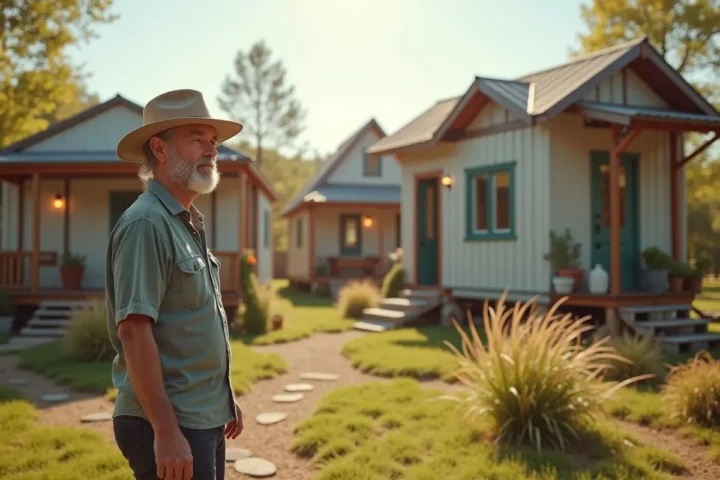
Interestingly, choosing a non-traditional home can also change how people connect with others. Smaller or mobile living spaces often encourage spending more time outside, engaging with neighbors, or becoming part of a community. Tiny home villages, co-living spaces, and alternative housing communities are growing in popularity.
These environments foster a sense of shared experience, where people support each other and build relationships in ways that feel more organic. Something is refreshing about that. In a world that can sometimes feel disconnected, these living arrangements bring back a sense of closeness and mutual understanding.
Challenges and Considerations
Of course, non-traditional homes are not without challenges. Zoning laws, building codes, and legal restrictions can make it difficult to establish certain types of housing. What works in one location might not be allowed in another.
There are also practical considerations. Smaller spaces require adjustments. Storage is limited. Privacy can be different. And for some people, that transition can take time. You need to think carefully about this way of life, considering both the benefits it can bring and the challenges it may pose. It’s attractive, but it also requires careful thought and planning to work.
A Shift That Feels Personal
At its core, the rise of non-traditional homes is not just about architecture. It is about people redefining what home means to them. It is about choosing simplicity over excess, flexibility over rigidity, and intention over habit.
It is about creating spaces that reflect real lives, not just expectations. That may be why these homes resonate so deeply. They are not perfect. They are not one-size-fits-all. But they feel honest. They tell a story about how people want to live now, and perhaps more importantly, how they want to feel in the spaces they call their own.