
How Luxury Fragrances Influence Mood and Memory
The sense of smell operates on a unique neural pathway closely tied to the limbic system, the brain’s emotional and memory center. Whenever you encounter a familiar scent, your brain can instantly connect it with strong feelings and distinct recollections. This is why a single whiff of freshly cut grass might spark memories of childhood summers, or the comforting aroma of vanilla may trigger a sense of calm. The meticulous craftsmanship behind perfumes and colognes is grounded in this science, as perfumers deliberately blend notes to evoke specific emotional responses.
While many people associate scent with luxury and indulgence, the connection between fragrance and emotion is deeply rooted in biology. Essential oils, like those found in luxury compositions, often interact with neurotransmitters. These interactions can influence mood or trigger physiological changes, offering measurable benefits for mental well-being. For example, lavender’s reputation for promoting relaxation has been reinforced by scientific studies.
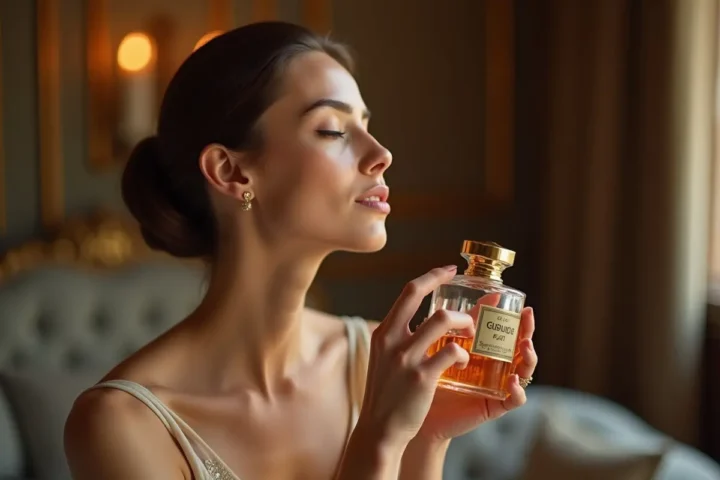
Luxury Fragrances as Mood Enhancers
High-end fragrances are developed with precision, blending rare and potent ingredients to produce more than just appealing scents. Perfumers carefully combine floral, citrus, woody, or spicy notes to inspire calmness, confidence, energy, or sensuality. For instance, jasmine and rose, popular in luxury creations, are renowned for their soothing properties, while citrus notes like bergamot uplift and invigorate. These specially formulated scents are powerful aromatherapy, making them ideal for those seeking to manage stress and improve their overall emotional well-being.
Connecting Scents to Emotional States
The emotional artistry in luxury perfumes can transform how one experiences a moment or faces a challenge. In social or professional settings, a robust, woody fragrance can foster assurance and poise. On the other hand, softer floral perfumes are perfectly suited for moments of contemplation and tranquility. This targeted approach reflects the understanding that fragrance is a vital force for emotional self-expression and support.
The Proust Phenomenon: Scent and Memory
The Proust phenomenon describes the astonishing way in which a scent can instantly spark a vivid memory, named after the French novelist Marcel Proust. When someone is reunited with a favorite childhood perfume or the fragrance worn on a significant occasion, the mind can vividly recall both the memory and the accompanying feelings. This connection is particularly strong with luxury fragrances, which are often woven into the story of our lives and anchor pivotal moments.
Personalized Fragrances and Emotional Well-being
The rise of niche and bespoke perfumery has opened doors for fragrance lovers to experience scents tailored to their individual tastes and emotional needs. Personalized fragrances offer a unique sense of ownership and identity, enhancing the mood-altering effects of the scent. For instance, a stress-prone individual may choose a blend featuring sandalwood and vanilla for tranquillity and grounding, while someone wanting to sharpen focus may gravitate towards crisp, green notes.
Fragrance in Daily Rituals
Incorporating luxury fragrances into regular routines can be a cornerstone of self-care. Spritzing on a favorite scent in the morning can set a positive tone, while an evening fragrance can help mark a transition from work to relaxation. This mindful approach to scent highlights the role aroma plays in daily experiences, reinforcing a nurturing, restorative sense of routine.
Market Trends: The Emotional Appeal of Fragrances
As awareness of fragrance’s emotional benefits grows, the perfume industry is adapting quickly. There has been a pronounced increase in products marketed for their well-being properties. Brands focus on how their scents influence mood, confidence, or stress resilience, reflecting changing consumer expectations. This emotional lens is evident not just in advertising, but also in collaborations with neuroscientists and trends towards multi-sensory experiences. According to Le Monde, consumers increasingly prioritize fragrances that bring comfort, balance, or energy into their lives, making the psychological aspect of scent more important than ever.
Scientific Studies on Scent and Emotion
Research continues to support the powerful link between fragrance and mood enhancement. Studies reveal that certain aromas can reduce anxiety, improve productivity, and support emotional healing. For example, a paper published in the journal Brain Sciences concluded that exposure to pleasant odors triggers happy autobiographical memories, boosts positive feelings, and can even help disrupt cravings or diminish physiological markers of stress such as inflammation.
Choosing the Right Fragrance for Emotional Impact
Selecting the most suitable fragrance for your needs involves more than just personal preference; it requires understanding how different notes impact your emotional state. Citrus-based perfumes tend to uplift, floral notes calm, and woody scents create a sense of grounding and security. By identifying how certain aromas make you feel, you can build a fragrance wardrobe tailored to your emotional goals, helping you navigate challenges and elevate your everyday experiences.
Final Thoughts
Luxury fragrances wield a unique power: they influence emotions, anchor memories, and support daily rituals. Understanding the science and artistry behind scent helps individuals more intentionally harness fragrance’s benefits for well-being. By making thoughtful choices and inviting mood-enhancing aromas into daily life, everyone can experience the transformative potential of fine perfumery.