
Drain Maintenance Tips Every New Homeowner Should Know Before It’s Too Late
Owning your first home is great.
Until you experience that first drain clog.
It’s inevitable. According to research, 78% of homeowners experience a severe drain blockage every 10 years. And let’s face it, that slow draining bathroom sink is only going to turn into something much worse if you ignore it.
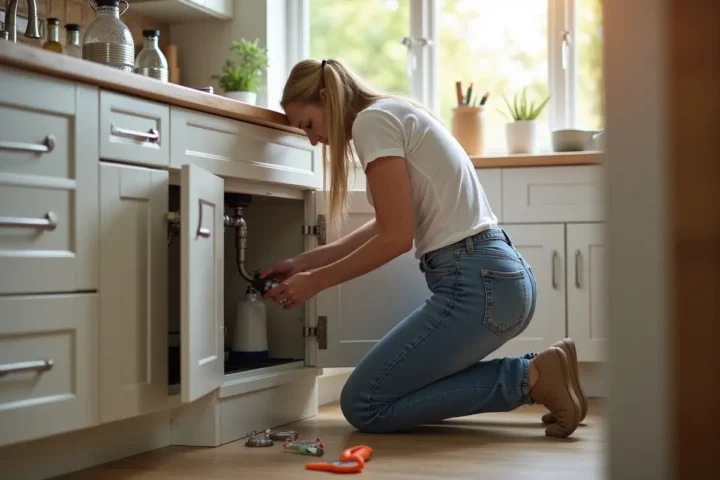
Fortunately…
Most drain problems are preventable. Doing some simple drain maintenance and knowing how to keep your drains clear before something goes wrong is the difference between a five-minute repair and a costly emergency drain cleaning call that you never want to pay for.
Here’s what you should know.
You’ll Discover:
- Why Drain Maintenance Gets Ignored
- What Causes Clogged Drains In Most Homes?
- Create a Simple Monthly Drain Maintenance Routine
- When To Call A Professional Instead Of DIYing Drain Cleaning
- Drain Maintenance FAQs
Drains Get Ignored Because It’s Easy To Do
Let’s just get this out in the open…
Drain cleaning and maintenance are typically ignored because most people don’t think about their drains until there’s a serious problem.
Out of sight, out of mind, right? That is until you turn on the shower and water starts backing up all over your bathroom floor at 7am on Monday morning.
Here’s what happens when you ignore your drains.
The problem with drains that get neglected is that issues don’t just appear — they get worse. Pipes corrode over time. Small leaks turn into large leaks. Hair and debris clogs start rotting, causing odours to creep out into your rooms. And mold can even grow inside your walls.
By the time you notice, not only do you have an actual drain repair or drain cleaning that needs done, you probably need water damage and/or mold remediation as well.
Oh, and don’t forget how your typical plumber charges these days. Hourly rates sit anywhere between $150 to $300, with most homeowners spending around $200 to repair a drain clog. That’s not even including any water damage repairs, pipe replacements, or mold remediation costs.
So remember…
It’s always going to be cheaper to maintain your drains regularly vs. waiting for something big to go wrong.
What’s Causing Blocked Drains Inside Most Homes?
Knowing what causes drain problems can help you come up with a monthly maintenance plan. Here’s what damages your drains daily:
Kitchen Drains
Cooking grease and cooking oils dumped down the sink are major culprits.
Food particles escaping your garbage disposal and coffee grounds are also number one drain killers.
Bathroom Drains
Hair. This always surprises people but the biggest cause of bathroom drain problems is hair buildup in showers and tub drains.
Soap scum mixed with hard water is another huge drain problem.
Flushing things down the toilet that don’t belong there is another common offender — flushable wipes included.
Outside Drains
Tree roots. They’re everywhere and they love your piping.
Leaves. Leaf debris buildup can stop drains from draining at all.
Your drains might be different but these are by far the most common drainage issues in most homes.
Here’s the mistake most new homeowners make…
Believing that these clogs and drainage problems are unconnected issues.
They’re not. Once the damage is done it’s easy to assume something came from “somewhere else”. But when you take a step back and look at the house as a whole, you’ll realize that your drains are being damaged little-by-little every day. Until one day, they’re not.
And that’s why this drain maintenance guide is so important.
How To Properly Clean Your Drains: Maintenance Tips That Work
Drain maintenance shouldn’t be complicated. Here’s a simple monthly drain cleaning routine that every homeowner can benefit from.
Invest in Drain Guards
Buy cheap drain guards and place them in every shower, tub, and bathroom sink. This stops hairs from escaping drains and causing large buildups that eventually start smelling. Spend thirty seconds once a week wiping them out. Your future self will thank you.
Boil Water Once A Month And Pour It Down Your Drains
Grab your kettle and slowly pour it down your kitchen sink AND bathroom drains every month. This helps to loosen buildup from occurring inside the pipes. It works.
Make Your Own Homemade Drain Cleaning Solution
Pour half a cup of baking soda down the drain followed by half a cup of white vinegar. Wait 15 minutes, and then rinse with hot water. Not only will this break down grease and trapped debris but it also kills odours. It’s way better than those chemical cleaners that eat away at your pipes.
Pro-tip: Stay away from chemical drain cleaners.
They might seem like the easy fix but if you have old piping like most houses do, those chemicals eat away at the pipes over time. And then you’re looking at way more expensive repairs.
Stop Pouring Grease Down Your Kitchen Sink
Grease is by far the number one thing that stops kitchen sinks from draining properly. Allow cooking grease to cool down and solidify in a container and throw it away. It can’t clog your pipes if it’s in the trash.
Look Under The Sinks Every Few Months
Take a peek under every sink in the house. Are there any slow drips? Is there moisture building up on the pipes? Does the cabinet floor look discoloured? If you catch a leak early on it could cost you $20. Let that leak for six months and you’re looking at a much larger conversation.
DIY fixes won’t always cut it.
As a new homeowner, learn these signs that it’s time to call a professional:
- Multiple drains clogging up at the same time
- Sewage smells that won’t go away
- Gurgling sounds when you flush the toilet and someone is using the sink
- A drain that can’t be cleared no matter what is tried
- Visible water damage or water lines on cabinets near drains
Multiple drains suddenly stopping up is typically a good sign that there is a larger main sewer line issue. This is not a DIY project. A professional needs to come and take a look before it causes massive amounts of damage.
If you notice any of the above happening simultaneously, it’s time to pick up the phone.
Final Thoughts on Simple DIY Drain Maintenance Tips For New Homeowners
Drain cleaning and maintenance is never going to be fun.
But that doesn’t mean it has to be complicated. Drain guards, flushing your drains with boiling water every month, and keeping grease out of your kitchen sink should be step one for every new homeowner.
Just remember that when it comes to drain cleaning and maintenance — if something doesn’t smell right or looks suspicious, do something about it.
Even if it’s “fine” for now.
It won’t be fine.