Choosing the Best Water Testing Methods for Your Home
Protecting your family’s health starts with ensuring your home’s water supply is safe and clean. With a variety of water-testing methods available, choosing the best approach can feel overwhelming. Whether you rely on city water or a private well, understanding your testing options empowers you to make confident decisions. For those who use private wells, seeking guidance such as Well Water Testing in Columbia, SC can be especially important for local conditions and expert advice you can trust.
There is no one-size-fits-all solution, as different homes, regions, and water sources come with unique risks and considerations. Testing helps uncover hidden contaminants that may not change the taste, smell, or appearance of your water but could have long-term health impacts. Even if your water looks and smells fine, routine testing is a critical step toward peace of mind and can point to maintenance needs or emerging environmental issues in your area.
Being proactive with water testing shows care not only for your family but also for your broader community’s wellbeing. Many homeowners only consider testing when there are visible problems, but waiting for an issue can put health at risk. Age-related plumbing changes, contamination from agricultural runoff, or issues arising after flood events are all reasons to establish a regular testing routine.
This is particularly crucial for households with vulnerable individuals, including infants, older people, or anyone with compromised immunity. Understanding how to interpret results and select the appropriate water-testing method is key. For well owners or those using older plumbing systems, regular checks can prevent bigger issues and save on costly repairs down the line.
Why Test Your Water?
Routine water testing stands as a frontline defense against contaminants that could pose health threats. Sources such as agricultural runoff, industrial waste, decaying plumbing, and natural geography can introduce lead, bacteria, pesticides, or even radioactive elements into your water supply. Studies show that water contaminants can enter even treated municipal water supplies as they flow through distribution pipes after leaving the water treatment facility. Meanwhile, private wells, which public agencies do not regulate, vary widely in their vulnerability based on location and maintenance.
Naturally occurring minerals and human-introduced chemicals alike can silently impact health over time. Testing allows early detection of problems such as high lead levels (linked to developmental problems in children) or bacteria (which can cause gastrointestinal illness). The Centers for Disease Control and Prevention emphasizes the importance of testing private wells annually for total coliform bacteria, nitrates, total dissolved solids, and pH.
Types of Water Testing Methods
There are several practical options for testing water at home, each with varying levels of complexity and reliability. Making the right choice depends on your needs, goals, and resources available.
Visual Inspection and Smell Test
Sometimes, your senses provide the first signal that something may be wrong with your water supply. If you see cloudy water, sediment floating in your glass, or unusual colors, it might be time for further assessment. Unpleasant odors, such as the smell of rotten eggs (caused by hydrogen sulfide) or a metallic taste, are additional red flags. While this basic method cannot confirm the presence or type of contaminant, it can alert you to the need for more thorough testing. This preliminary check should never replace scientific analysis, but can encourage timely follow-up action.
DIY Water Testing Kits
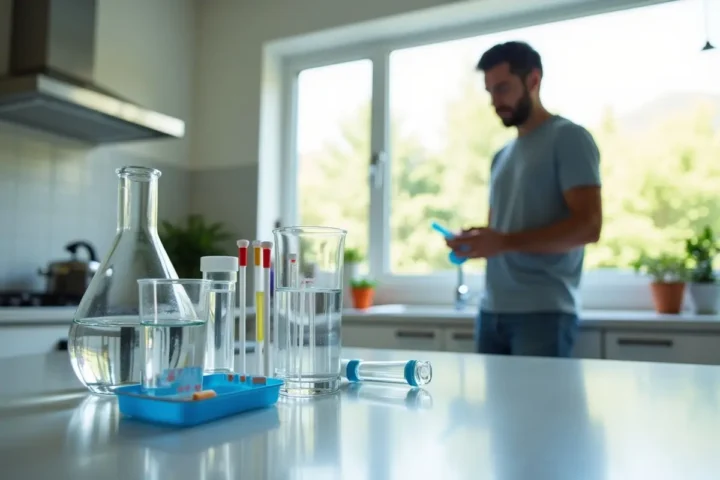
Do-it-yourself water-testing kits are widely available at stores and online. These kits usually allow you to test for common contaminants such as chlorine, lead, bacteria, nitrates, and pH levels. Testing typically involves collecting a water sample and using test strips or vials containing reagents that change color when exposed to specific substances. While easy and cost-effective, these kits may have limitations in sensitivity and scope, so they work best for initial screening or routine monitoring in between more comprehensive professional checks.
Mail-In Laboratory Testing
For deeper, more accurate insight, collecting a water sample and sending it to a certified lab is ideal. Mail-in laboratory services can test for a comprehensive range of contaminants, including heavy metals, pesticides, bacteria, and volatile organic compounds. Accredited labs use sensitive equipment and adhere to strict quality control guidelines, making this method highly reliable for families seeking peace of mind or those who have reason to suspect a specific contaminant. These tests cost more, but they yield precise results and can help guide the installation of appropriate filters or remediation solutions.
Choosing the Right Method for Your Home
Several factors should guide the choice between visual checks, DIY kits, or laboratory analysis:
- Type of water source: Well owners have different responsibilities compared to those on municipal water systems, especially if the well is near agricultural or industrial land.
- Suspected issues: If you suspect a specific problem (like high iron or nitrates), opt for focused testing; if there are no symptoms, comprehensive annual checks are best.
- Budget and convenience: Test kits are less expensive for routine checks, but laboratory testing is recommended for accurate, in-depth results.
- Regulatory advice: Always check local guidelines and EPA recommendations. Some contaminants, such as arsenic or uranium, may require more advanced analysis depending on your region’s geology.
Balancing regular screenings with periodic lab testing ensures both cost-efficiency and thorough protection for your household.
Interpreting Test Results
Once you receive your water test results, compare them to Environmental Protection Agency (EPA) drinking water standards. A professional can help you interpret confusing numbers and understand if contaminants exceed recommended limits. Not all contaminants are regulated, so knowledge about locally relevant risks is important. If you have concerns about ambiguous or alarming results, reach out to a certified water professional or your state health department for more guidance.
Taking Action Based on Results
If your test reveals a problem, there are several next steps. Solutions include installing appropriate filters, such as activated carbon filters for VOCs, or reverse osmosis systems for lead and nitrate removal; repairing old pipes; or switching to bottled or bulk water for drinking and cooking. In addition, follow-up tests are necessary after any intervention to ensure problems have been fully resolved. Maintaining a record of test results and interventions helps track improvements and spot new issues over time.
Conclusion
Selecting the right water testing method for your home is a crucial first step in safeguarding your family’s health. By embracing a mix of reliable screening techniques, annual comprehensive checks, and prompt action when issues arise, you maintain control over your water quality. Staying vigilant and informed ensures your water remains safe and dependable for everyone in your household.