How to Safely Modernize a Mid-Century Home Without Risking Your Health
Mid-century homes have a charm that never really goes out of style. The clean lines, open layouts, and connection to the outdoors make them endlessly appealing. But if you’ve bought one or inherited one, you already know the flip side — these houses were built in an era when building materials and construction standards looked very different. Modernizing one is exciting, but rushing into renovations without the right precautions can put your health at serious risk. Here’s how to do it the smart way.
Start With a Thorough Pre-Renovation Inspection
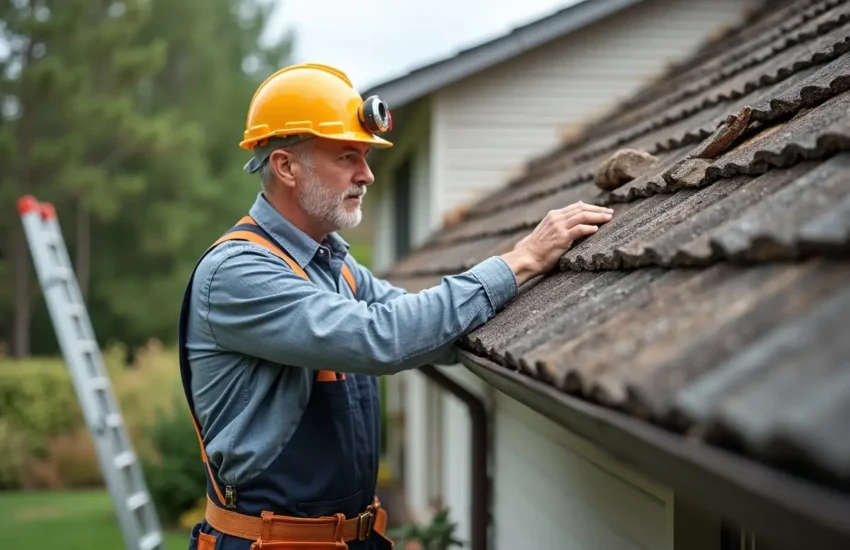
Before a single wall comes down, get the house inspected — not just a general home inspection, but one that specifically targets the hazards common in homes built between the 1940s and 1970s. Asbestos and lead paint are the two biggest concerns. Asbestos was routinely used in insulation, floor tiles, ceiling tiles, roofing materials, and even the texture on walls and ceilings. Lead paint was standard until it was banned for residential use in 1978.
Neither is necessarily dangerous if left completely undisturbed, but the moment you start cutting, sanding, or demolishing, you create a health hazard. Hire certified professionals to test for both before any work begins. This isn’t optional — it’s the foundation of a safe renovation plan.
Don’t Skip the Mold Conversation
Mid-century homes often have older plumbing, inadequate ventilation, and decades of potential moisture intrusion hiding behind walls and under floors. Mold can thrive quietly in these spaces for years without anyone knowing. When you open walls during a remodel, you can suddenly release mold spores into the air throughout the house.
Bringing in a licensed mold inspector before renovation work starts is one of the smartest moves a homeowner can make. Unlike a general contractor who might spot obvious water damage, a licensed mold inspector uses specialized tools and testing methods to identify hidden mold growth and moisture problems that aren’t visible to the naked eye. Catching these issues before demolition — rather than mid-project — saves money, protects the workers on site, and keeps your family safe.
Understand What You’re Working With in the Walls
Older electrical wiring is another concern in mid-century homes. Knob-and-tube wiring and early aluminum wiring are common in homes of this era and are both considered fire hazards by today’s standards. If your renovation plans involve any electrical work, have a licensed electrician assess the full system. Upgrading the panel and rewiring key areas of the home is an investment that pays off in safety and insurability.
The same goes for plumbing. Many mid-century homes still have galvanized steel pipes, which corrode from the inside out over time. As the pipes degrade, they can affect water quality and pressure. A plumber who specializes in older homes can evaluate what needs to go and what can stay.
Modernize Ventilation Early
One of the biggest differences between mid-century construction and modern building standards is ventilation. Older homes were often built in ways that didn’t prioritize indoor air quality the way we do today. If you’re updating the kitchen, bathrooms, or adding new finishes throughout the home, factor ventilation upgrades into your plan early. Proper airflow not only makes the home more comfortable — it helps prevent the moisture buildup that leads to mold, which is especially important after you’ve sealed up the house with new insulation and energy-efficient windows.
Speaking of insulation, if you’re adding new insulation to improve energy efficiency, make sure any existing insulation is tested for asbestos first. Spray foam and blown-in insulation are popular modern options, but they need to go into a clean, hazard-free space to be effective and safe.
Choose Low-VOC Materials for Interior Updates
When it comes to the fun part — new paint, flooring, cabinetry, and finishes — make thoughtful choices about what you’re bringing into the home. Many conventional paints, adhesives, and synthetic flooring products off-gas volatile organic compounds (VOCs) for months after installation. In a freshly sealed, energy-efficient home, those compounds have nowhere to go.
Look for low-VOC or zero-VOC paints, solid wood or FSC-certified wood products, and natural stone or tile where possible. If you’re installing new carpet, choose options with low chemical emissions and let them air out before moving back in. These choices matter more in a tightly renovated home than they ever did in the drafty original construction.
Work With Contractors Who Know Older Homes
Not every contractor is the right fit for a mid-century renovation. Look for professionals with specific experience in older homes who understand the required protocols for handling hazardous materials, know when to call in specialists, and won’t cut corners when the unexpected shows up — because it always does in a home of this age.
Modernizing a mid-century home is one of the most rewarding renovation projects you can take on. The bones are usually excellent, and the design holds up beautifully with thoughtful updates. The key is going in with your eyes open, getting the right inspections done first, and working with people who treat safety as seriously as aesthetics. Do it right, and you’ll have a home that’s not just beautiful — it’s genuinely healthy to live in.