
5 Smart Ways to Keep Remote Work From Taking Over Your Home
The novelty of working from a kitchen table has officially worn off. For the millions who have settled into permanent remote or hybrid roles, the primary challenge has shifted from figuring out how to use video conferencing to stopping work from bleeding into every corner of the house.
When your office is also your living room, and without the physical transition of a commute, the workday doesn’t always have a clear end point and it’s easy to find yourself answering emails at 9:00 PM simply because the laptop is within reach.
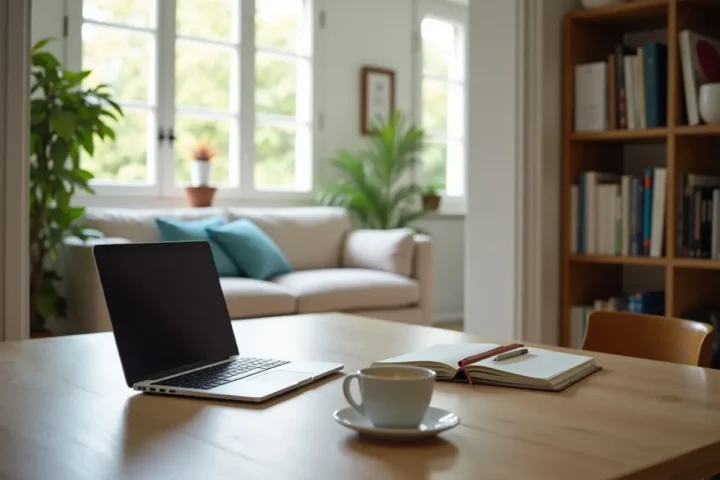
Reclaiming your home requires a more intentional approach to how you structure your space and your time.
Prioritize Intentional Leisure
When the workday ends, the temptation is to stay on the same screen to scroll through social media or watch videos – or, alternatively, to banish all your tech to some kind of lockbox or iPhone jail so that you can be fully and completely unplugged. As in most cases, any extremes are usually untenable.
According to Betterthisworld, there is a growing trend of Canadians being more selective about how they spend their downtime. As people look for smarter ways to engage with the internet, there is a shift toward digital activities that offer genuine relaxation or skill-building rather than passive consumption.
By being intentional with your leisure time – whether that is through online communities, creative hobbies, or simply stepping away from the screen – you create a much firmer line between being productive and being at rest.
Implement a Shutdown Ritual
The traditional commute acted as a buffer between our professional and personal identities. Without it, you need to manufacture a transition.
This could be as simple as a fifteen-minute walk around the block, a quick workout, or even just clearing your desk and shutting down your computer entirely. Putting your laptop in a drawer or a bag out of sight removes the visual cue that reminds you of unfinished tasks, allowing you to mentally clock out.
Use Digital Partitioning
One of the biggest culprits of work-life bleed is the constant stream of notifications. Using different browsers for work and personal use is a simple way to keep things separate.
On your phone, set focus modes that automatically silence work-related apps like Slack or Teams after hours. By creating these digital walls, you ensure that your personal time is not interrupted by a non-urgent message that could easily wait until morning.
Audit Your Meeting Schedule
Remote work often leads to an influx of meetings as a way to replace the quick office “drive-by” conversation but unfortunately back-to-back calls are one of the fastest ways to reach burnout. Auditing your schedule to ensure you have blocks of time for deep, focused work can reduce the stress of having to finish your actual tasks late at night. If a conversation can be handled through an asynchronous update, opt for that instead.
Create a Dedicated Physical Perimeter
The most effective way to separate your roles is to designate a specific area for work. If you have a spare room, the solution is easy: close the door when the day is done. However, for those in smaller apartments, the boundary needs to be symbolic.
A specific chair, a certain lighting setup, or even a desk mat that gets rolled up at 5:00 PM can signal to your brain that the office is closed. The goal is to avoid working from your bed or your couch – places that your brain should associate exclusively with rest.