
Lawn Mower Safety Tips Every Homeowner Should Know
A neatly cut lawn looks great, but every pass of the mower carries real risk if you ignore basic safety. Rotating blades, flying debris, and fuel all demand your full attention and a smart plan. Many common injuries happen at home, often because people rush, skip checks, or let kids get too close.
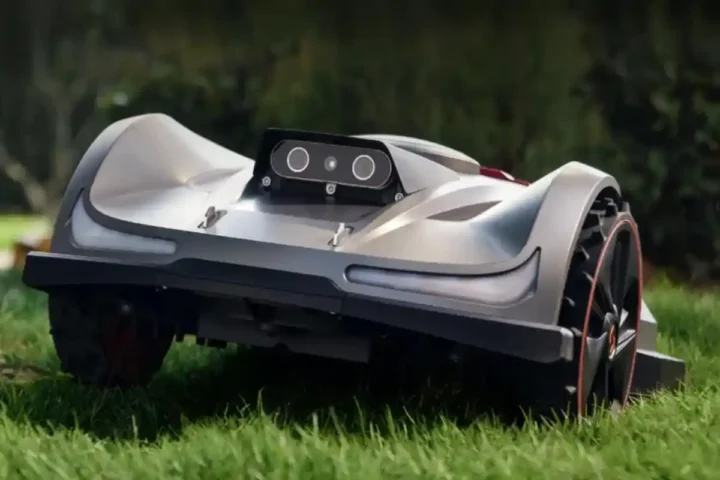
Modern tools, including robotic mowers like the Sunseeker Elite X7 and X7 Plus with smart obstacle avoidance, help reduce danger but do not replace safe habits. You still need to inspect your yard, gear up, and handle equipment with care. Use the tips below to protect yourself, your family, and your lawn all season long.
What Safety Checks Should You Do Before Mowing?
Inspecting the Lawn for Debris and Hazards
Walk the entire lawn before you even touch the starter. Pick up sticks, rocks, toys, pet bones, and loose garden tools. These objects can turn into high?speed projectiles once the blade hits them. Look for low garden lights, sprinkler heads, and exposed roots that could trip you or damage the mower.
Mark hidden obstacles with flags. Note slopes, dips, and wet or soft patches that might cause slips. If you use a smart mower like the Sunseeker Elite X7 or X7 Plus, its Vision AI can detect over 200 types of obstacles, including garden structures and moving pets, but you should still clear obvious debris. A clean lawn keeps your feet stable and the mower under control.
Checking Mower Condition and Safety Features
Examine your mower on a flat surface with the engine off and the spark plug wire disconnected. Check for loose bolts, damaged wheels, and worn or cracked belts. Inspect the blade for chips, bends, or excessive wear; replace damaged blades, do not try to straighten them.
Make sure guards, shields, and the discharge chute are in place and secure. Test safety features like the operator?presence control bar; the engine and blades should stop quickly when you release it.
Confirm that electric or robotic models, such as the Sunseeker Elite X7/X7 Plus, have active safety systems including static and dynamic obstacle avoidance. A quick inspection before every mow catches problems early and prevents many dangerous failures in use.
Wearing Proper Protective Gear and Clothing
Dress for protection, not for the weather alone. Wear sturdy, closed?toe shoes or boots with good grip; never mow in sandals or bare feet. Long pants shield your legs from flying debris and accidental contact with hot parts.
Avoid loose clothing, dangling cords, jewelry, or scarves that could get caught in moving parts. Put on safety glasses or impact?rated goggles to guard your eyes from stones and sticks. Use hearing protection, such as earmuffs or earplugs, especially with gas mowers.
If you mow in bright sun, add a brimmed hat and sunscreen for skin safety. Good gear reduces cuts, bruises, eye injuries, and long?term hearing damage while keeping you stable and focused on the job.
How Can You Operate a Lawn Mower Safely?
Safe Starting, Stopping, and Handling Techniques
Start the mower outdoors on level ground, never in a closed garage where exhaust can build up. For gas models, set the throttle and choke as directed, then stand firm with both feet planted before pulling the starter cord.
Keep hands and feet away from the deck and discharge opening at all times. Push or guide the mower at a walking pace; do not run or pull it backward unless you must, and always look behind you first.
When you need to cross gravel, patios, or walkways, shut off the blade. Stop the engine completely before adjusting cutting height, clearing clogs, or leaving the mower unattended. Careful handling keeps the blade under control and you out of its path.
Managing Slopes, Wet Grass, and Uneven Terrain
Evaluate slopes before you mow them. With walk?behind mowers, move across the slope, not up and down, to reduce the risk of slipping and the mower rolling toward you. With riding mowers, drive up and down slopes carefully and avoid very steep areas.
Never mow on wet grass or muddy ground; your shoes can lose grip and the mower may slide. Slow down on uneven spots and around holes, roots, or buried objects. If you use a robotic mower like the Sunseeker Elite X7 or X7 Plus, its static obstacle avoidance and terrain navigation help manage complex yards, but you should still set no?go zones on extreme slopes. When in doubt, trim risky areas with a string trimmer instead.
Keeping Children and Pets Away During Use
Set a strict rule that children and pets stay indoors or well away from the mowing area. Do not allow kids to ride on a riding mower, even when you are not cutting; falls from the seat cause serious injuries.
Never let a child operate a powered mower until they are old enough, strong enough, and trained, and always follow the manufacturer’s age guidelines. Pause mowing if a child, pet, or neighbor walks into your path.
Robotic mowers add an extra layer of safety here: models like the Sunseeker Elite X7/X7 Plus use dynamic obstacle avoidance to detect moving people or pets and adjust their route. Still, supervise and keep curious hands and paws away from working machines.
How Do You Prevent Accidents and Injuries Long-Term?
Regular Maintenance to Avoid Mechanical Failures
Create a simple maintenance schedule and stick to it. Change engine oil at the intervals listed in your manual and replace air filters to keep the engine running clean. Sharpen or replace blades at least once per season to ensure clean cuts and reduce strain on the motor.
Check and tighten fasteners, handle bolts, and wheel hardware regularly. For battery or robotic units, like the Sunseeker Elite X7/X7 Plus, update firmware and inspect sensors that support Vision AI obstacle detection.
Clean grass buildup from the deck to prevent corrosion and fire risk. A well?maintained mower runs smoother, resists sudden breakdowns, and keeps critical safety systems working when you need them most.
Safe Fuel Handling and Storage Practices
Store gasoline in approved, labeled containers, away from flames, sparks, and pilot lights. Keep fuel in a cool, ventilated area, out of reach of children and pets. Always shut off the engine and let it cool before refueling; hot surfaces and spilled gas can ignite. Use a funnel or spout to avoid splashes and overfilling.
Never smoke around fuel or while you fill the tank. At the end of the season, either run the mower dry or add fuel stabilizer to prevent stale fuel and hard starting. Electric and robotic mowers avoid fuel risks, but you should still follow the maker’s rules for charging and storing batteries.
Building Safe Lawn Care Habits and Routines
Turn mower safety into a routine you follow every time. Start with a lawn walk?through, debris check, and quick equipment inspection before you mow. Put on your eye, ear, and foot protection as part of your normal prep.
Set clear family rules about where kids and pets must stay when any mower is running, including robotic units. If you own a smart mower like the Sunseeker Elite X7 or X7 Plus, regularly review its mowing schedule, boundary settings, and obstacle?avoidance performance so you know how it behaves.
After each use, clean the deck, check for damage, and store the mower in a dry, secure place. Consistent habits make safety automatic, not an afterthought.
Conclusion
Every safe mowing session starts long before the engine roars to life. You protect yourself by clearing debris, checking the mower, and suiting up with the right gear. You avoid accidents by moving at a controlled pace, respecting slopes, and keeping children and pets far from the blade’s reach. Long?term safety depends on maintenance, smart fuel or battery care, and repeatable habits.
Modern tools, including robotic models such as the Sunseeker Elite X7 / X7 Plus with Vision AI, static and dynamic obstacle avoidance, and hover?over detection, add powerful safeguards. Combine that technology with your own careful approach, and you can enjoy a healthy lawn without putting your health at risk.