
Child Safety Online: When Gaming Platforms Cross a Legal Line
Online gaming isn’t a hobby. It’s an industry.
More than 3.4 BILLION people play video games worldwide. Gaming has become the largest form of entertainment on Earth, valued at just under $188 billion. And children make up a huge portion of those players.
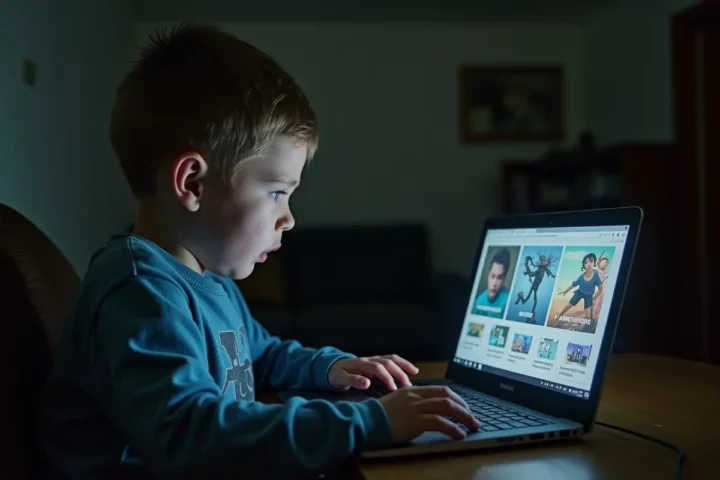
The problem is glaring:
Platforms beloved by kids for their openness and interactivity have unfortunately presented predators with opportunities to harm children at alarming rates. Now legislation is starting to pile up.
You can learn exactly how serious it’s become from the recent Roblox lawsuit filings. Families from across the country are coming together to file a federal lawsuit alleging that Roblox’s lack of moderation enabled child abuse. Real world abuse.
Grooming.
Sexual exploitation.
Kidnapping.
That’s not a cautionary tale. Those are the stakes.
Here’s What’s Covered:
- How an Online Minor Abuse Case Differs from Others
- Legal Ramifications Major Platforms Are Facing
- Signs to Watch For as a Parent
- What Platforms Are Doing to Resolve These Issues
- Every Parent, Guardian and Educator Should Care About Online Gaming Safety
How an Online Minor Abuse Case Differs from Others
Online child abuse cases originating from gaming companies often don’t resemble what most people think of when talking about abuse.
Predators aren’t waiting outside children’s bedrooms. They’re hiding in plain sight on gaming platforms, masquerading as kids their age. Building relationships through simple conversation, gifts of virtual currency, and easy empathy. By the time kids understand what’s happening, predators can already manipulate them into taking awful risks.
The open nature of these platforms creates unique opportunities for child predators:
- Anonymous profile creation with no verification of age
- Unrestricted ability for adults to message children in-game
- Communication channels that can quickly move to other platforms
- In-game purchases that allow predators to buy a child’s “trust”
Predators are smart. Very smart. And the consequences to children exploring these platforms are real.
54% of children reported risks on gaming platforms, according to one survey — with cyberstalking and solicitation among the top concerns. Real concerns. From real kids.
And it’s not limited to one gender, or even one age group.
1 in 3 boys between the ages of 9 and 12 experienced an online sexual encounter in 2024, according to research by Thorn. Boys. In elementary school.
Legal Ramifications Major Platforms Are Facing
Gaming companies can’t ignore these lawsuits forever.
They’ve been pushed aside, negotiating when they have to and claiming strides in child safety whenever pressed. But 2025 will be different. In December 2025, the Judicial Panel on Multidistrict Litigation ordered that over 80 child sexual abuse lawsuits against Roblox be consolidated to one federal lawsuit in the Northern District of California. All of these lawsuits will now be heard by one judge.
Four dozen lawsuits.
235 kids represented.
Allegations that Roblox:
- Allowed adults free reign to communicate with children via direct message
- Provided minimal age verification processes (if any at all)
- Marketed their platform as safe for kids while sexually abusive adults preyed on children
- Ignored the issue for years in favor of growth and monetization
The volume tells the story. Roblox received 24,522 referrals to the National Center for Missing & Exploited Children for child exploitation in 2024. That’s compared to just 675 in 2019.
And it’s not just the federal government getting involved.
Attorneys general from Louisiana, Texas, and Iowa have recently begun legal action against these companies for fraudulently representing their platforms as suitable for children. State governments are taking notice.
It’s time for gaming companies to clean up their act.
Signs to Watch For as a Parent
Most parents aren’t aware of what’s happening on gaming platforms.
Predators will groom children over months, slowly normalizing the relationship before suggesting in-person meetings or explicit images. Parents will rarely see those first few months of conversation, meaning they’ll miss the majority of detectable abuse taking place online.
But there are steps to recognize when something isn’t right.
Look for these common behavioral trends in kids who spend time gaming online:
- Hiding their screen when a parent enters the room
- Unexplained gifts, gift cards, or usernames gifted to them by strangers
- Withdrawn or anxious behavior after spending time online
- Discussing “friends” they’ve never met in real life
- Refusal to show chat logs or “friend” lists
Case in point:
34.5 million daily active users were UNDER THE AGE OF 13 on Roblox in the third quarter of 2024. Thousands of kids worldwide who were able to bypass basic age gates to log into a platform lobby full of older teenagers and adults.
Open conversations with kids about their time online MATTER. If children’s online activity goes unmonitored, protecting them from these threats becomes nearly impossible.
What Platforms Are Doing to Resolve These Issues
This isn’t to say that platforms aren’t acting. They are.
At the end of last year and into this year, Roblox announced new chat restrictions and parental controls. They’ve added facial age estimation for minors attempting to access the chat function. Other platforms like Discord have created similar protections.
There’s just one issue with the actions these platforms have taken:
They waited YEARS to do it. Years that children were sexually abused because platforms didn’t think safety was important enough to implement before it became a problem. Parents involved in these lawsuits are suing because they’ll never get that time back.
Children are at risk.
Every. Single. Day.
Platform Safety Is Every Parent’s Business
Online gaming platforms need to do better.
They need to do better for every parent who has sat their child down to explain internet safety. They need to do better for kids who are trusting enough to share their screens. But most of all, they need to do better for the children they’ve already allowed to become victim abuse cases on their platforms.
Platforms can and should:
- Require age verification before children use chat functions
- Monitor accounts for common grooming patterns before abuse occurs
- Create clear laws and penalties when child safety protocols are violated
- Allow third-party child safety groups to audit their platforms
The courts are starting to listen. The public is starting to listen. Now parents, caregivers, and educators need to start asking the hard questions and advocating for children everywhere.