Average Cost of Sealing Pavers: Budgeting Tips and Maintenance Guide
Sealing your pavers is not just about aesthetics; it is an essential part of maintaining the integrity and value of your outdoor spaces. By sealing your pavers, you help protect the surface from the elements, resist stains, and extend their lifespan. Homeowners often wonder about the true cost of this investment, and understanding the paver sealing cost can help you set a realistic budget while ensuring the best results.
A well-sealed patio, driveway, or walkway can dramatically improve curb appeal and save you significant money in future repairs. The process is an investment, but expenses can vary widely, depending on several important factors such as the area size, the material and condition of your pavers, and whether you hire professionals or choose a DIY route. Keeping your pavers clean and well-maintained is also crucial to maximizing the benefits of sealing.
Before you dive into the project, make sure you understand common sealing mistakes that can compromise your results. Gathering insights on workforce costs, sealant options, and long-term maintenance can help you maximize your investment for years to come.
Why Seal Your Pavers?
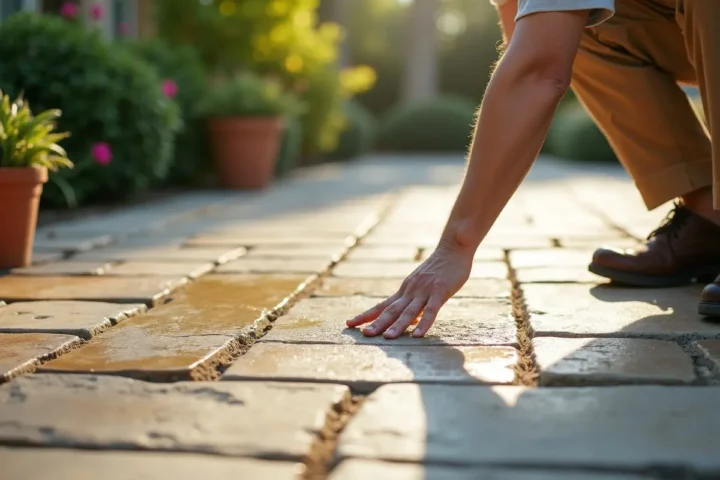
Sealing pavers offers several essential benefits beyond basic upkeep. The primary advantage is protection: a quality sealant acts as a barrier against stains, weather damage, and regular foot or vehicle traffic. Well-sealed pavers are less likely to absorb oil, wine, mud, and minerals, keeping their colors vibrant for years.
Another key benefit is improved appearance. Sealed pavers maintain a richer, sharper coloration and often have an attractive sheen that upgrades the overall look of outdoor areas. Quicker, easier cleaning is another perk, as sealed surfaces resist dirt penetration, making routine maintenance less burdensome.
- Protection: Reduces the risk of staining, weed growth, and erosion.
- Enhanced Appearance: Deepens the color tones and delivers a uniform finish.
- Extended Longevity: Maintains structural integrity by minimizing damage caused by moisture and sun exposure.
Factors Influencing Sealing Costs
The total price for sealing your pavers is shaped by several factors. The most significant factor is the area size; larger patios or driveways require more materials and labor, thereby increasing costs. The initial condition of your pavers also matters greatly. Surfaces that are stained, overgrown with weeds, or in need of repair need extra work before sealing can even begin.
Another key contributor is the type of sealant. High-end and specialty sealants are more expensive but often provide better protection and a longer-lasting finish. Labor charges also vary depending on the experience level of the sealing professional and the prevailing rates in your region. Location plays a crucial role, as urban areas may see higher prices due to higher demand and higher living expenses.
- Area Size: Larger spaces increase both material and labor requirements.
- Paver Condition: Damaged or dirty pavers require intensive cleaning and, in some cases, repairs before sealing.
- Sealant Quality: Premium options cost more but can be more cost-effective in the long run.
- Professional Labor: Skilled contractors charge for expertise, often reflected in better outcomes and warranties.
Average Costs of Paver Sealing
Nationally, sealing your pavers can cost between $1.50 and $3.25 per square foot, with most homeowners falling somewhere within this range for basic cleaning, sand refilling, and sealant application. For a midsize area of about 500 square feet, expect a total investment between $875 and $1,475. Larger or more complex projects, such as pool decks or multi-level patios, can fall on the higher end of the spectrum.
Some factors can drive costs up, such as needing several coats of sealant, requiring extensive cleaning or repair work, or opting for specialized finishes. In these cases, the total expense can exceed average costs, but it may be worth it to protect an ongoing investment in high-traffic or visually prominent spaces.
DIY vs. Professional Sealing
Choosing between DIY and professional paver sealing primarily comes down to budget, skill level, and available time. DIY projects may involve material costs of $0.20 to $0.40 per square foot, plus the added expense of equipment rentals such as pressure washers. However, improper preparation or application can lead to uneven coverage, streaking, or poor longevity, increasing future costs. Professional sealing services are typically more expensive but offer expertise, efficiency, and guarantees of workmanship, ensuring a durable, visually appealing finish.
If you have complex surfaces or lack experience, hiring a professional can help avoid common pitfalls. Professionals can also help select the best sealant and offer advice for long-term use. Assess your preferences, time availability, and the scale of your project before making a final decision.
Maintenance Tips for Sealed Pavers
Routine maintenance is critical for keeping your sealed pavers in excellent condition. Start with simple but effective measures such as regular sweeping to remove debris and prevent surface scratches. Occasional rinsing with a hose or power washer helps keep pavers free from dirt, moss, and stains. It is also important to monitor the joints regularly and refill them with sand as needed to inhibit weed growth.
- Regular Cleaning: Frequent sweeping and periodic washing prevent grime from settling into the surface.
- Re-Sealing: For areas with heavy use or frequent sun exposure, reapply sealant every 3 to 5 years, or sooner if you notice fading or dullness.
- Weed Control: Promptly remove emerging weeds to avoid root intrusion and joint destabilization.
Common Mistakes to Avoid
Several common mistakes can compromise the durability and appearance of sealed pavers. Rushing through the preparation phase and skipping a thorough cleaning can trap dirt and stains beneath the sealant. Applying too much product can result in a flaky, cloudy appearance, while insufficient sealant might leave your pavers unprotected. Pay careful attention to the weather forecast to avoid issues with curing and adhesion, as sealing during rain or extreme humidity can sabotage your efforts.
- Improper Cleaning: Always wash and dry pavers thoroughly before sealing.
- Over-Application: Excessive sealant use can lead to haze and peeling.
- Poor Timing: Ensure ideal temperatures and dry conditions for the best results.
Final Thoughts
Sealing your pavers is a smart and valuable improvement that pays off visually and structurally. By understanding the variables that affect costs and applying proven maintenance strategies, you can keep your outdoor spaces looking their best. Take a proactive approach in scheduling regular cleaning and resealing, and always avoid cutting corners with preparation and application. The extra effort up front helps avoid headaches and greater expenses in the future, ensuring a beautiful, long-lasting finish for your pavers.