
Holistic Alcohol Withdrawal Treatment: What You Need to Know
Deciding to address alcohol dependency is a significant choice. It requires honesty with yourself and a willingness to change your daily habits. Many people try to quit on their own, often called ‘white-knuckling.’ This approach usually ignores the physical risks and the mental strain that come with sudden abstinence. Attempting to stop without a plan can lead to severe health complications or quick relapse because the body struggles to stabilize.
A holistic approach offers a different path. In this context, holistic means looking at your entire well-being rather than just stopping the intake of a substance. It involves supporting your body, mind, and environment simultaneously
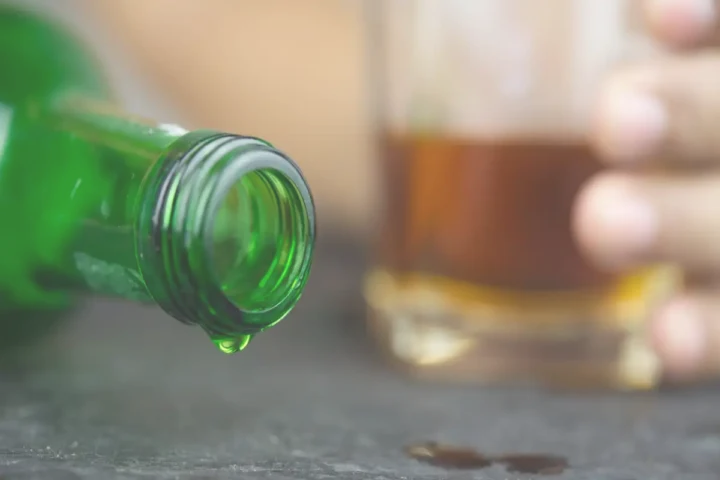
Instead of only treating withdrawal symptoms as they appear, this method focuses on the person as a whole. You work on nutrition, stress levels, and emotional health to create a sustainable foundation for long-term recovery.
The Science of the ‘Reset’
Alcohol alters how your brain sends signals. It primarily affects two chemicals: GABA and glutamate. GABA functions as a natural sedative, slowing down brain activity. Alcohol mimics this effect, so over time, your brain stops producing its own GABA and creates more glutamate—an excitatory chemical—to stay awake. When you stop drinking, you lose that sedation. Your brain becomes flooded with glutamate, leading to the ‘shaky’ or anxious feeling typical of withdrawal.
The body follows a specific timeline as it tries to fix this imbalance. Within the first 6 hours, you might notice minor tremors, sweating, or headaches. By the 24-hour mark, some people experience more intense sensory issues or mood swings. The period between 48 and 72 hours is often the most critical, as this is when the risk for severe complications like seizures or high blood pressure peaks. After this window, the physical intensity usually begins to level off.
Holistic support plays a vital role during these phases. Stress triggers the release of cortisol, which makes an already over-excited brain feel even worse. Poor nutrition deprives the brain of the amino acids it needs to rebuild its chemical stores. By managing your environment and eating specific nutrients, you help your nervous system return to a balanced state faster. This support makes the chemical transition less jarring for your internal systems.
The Physical Pillar
Recovery starts with the tangible biological needs of your cells. When alcohol leaves your system, it leaves behind a physical vacuum that requires specific building blocks to fill. You cannot think your way out of a chemical deficiency; you have to eat and hydrate your way out of it.
Micronutrients for brain repair
Alcohol acts as a diuretic and often replaces nutrient-dense food, leading to severe depletion. You need to prioritize B-vitamins, specifically Thiamine (B1). Thiamine is essential for glucose metabolism in the brain; without it, you risk permanent cognitive issues.
Magnesium is another priority because it regulates the nervous system and helps reduce the muscle tension associated with withdrawal. Zinc supports the immune system and helps the liver process toxins. Adding these through whole foods or targeted supplements allows your brain to restart its natural repair mechanisms.
Cellular hydration and electrolytes
Drinking plain water is rarely sufficient during a detox. Alcohol causes the body to dump essential salts. To achieve true cellular hydration, your body requires electrolytes like sodium, potassium, and calcium. These minerals act as electrical conductors for your heart and nervous system. If you drink too much plain water without these salts, you can actually dilute your remaining nutrients further. Using broths or electrolyte-infused drinks ensures that water actually enters your cells instead of just passing through your system, which is a key part of the effort to detox safely.
The gut-brain axis
The health of your digestive tract directly dictates your mental state. Most of your body’s serotonin—a key chemical for stability—is produced in the gut. Alcohol disrupts the microbiome, the colony of beneficial bacteria in your stomach. When these bacteria are out of balance, you experience higher levels of anxiety and intense alcohol cravings. Restoring this balance through probiotics and fiber-rich foods helps fix the ‘gut-brain axis.’ A healthy gut sends signals to the brain that reduce the urge to drink and improve your overall temperament.
Movement as medicine
You do not need intense exercise during withdrawal. Instead, focus on gentle movement like walking or basic yoga. These activities stimulate the production of endorphins. Endorphins are your body’s internal painkillers and mood elevators. Even a fifteen-minute walk can help regulate your heart rate and lower the levels of stress hormones circulating in your blood. This provides a natural, non-chemical way to manage the discomfort and restlessness that often accompany the first few days of sobriety.
Providing the right nutrients and movement creates the physical environment necessary for the mental and emotional work of recovery to actually take hold.
The Mental Pillar
While physical health provides the foundation, your mental state determines the longevity of your recovery. During alcohol withdrawal, your nervous system is in a state of high alert. This hyper-arousal makes every thought feel urgent, and every craving feel like a command. Rewiring this response requires a toolkit of practical, cognitive, and physiological skills that you can apply the moment stress hits.
Harnessing mindfulness and MBRP
Mindfulness is about observing your thoughts without acting on them. Mindfulness-Based Relapse Prevention (MBRP) uses a technique called ‘urge surfing.’ When a craving hits, instead of fighting it, you imagine the urge as a wave in the ocean. You acknowledge its presence, watch it peak, and wait for it to subside. This practice trains your brain to realize that cravings are temporary sensations rather than permanent requirements.
Cognitive and dialectical tools
Holistic treatment often incorporates Cognitive Behavioral Therapy (CBT) and Dialectical Behavior Therapy (DBT). CBT helps you identify the specific triggers, like a stressful workday or a specific social circle, that lead to drinking. Once you identify these, you create ‘if-then’ plans. For example: ‘If I feel lonely after work, then I will call a friend instead of stopping at the store.’ DBT adds to this by teaching distress tolerance, helping you sit with uncomfortable emotions without needing to numb them with alcohol.
Manual regulation through breathwork
You can manually override your ‘fight or flight’ response by stimulating the vagus nerve through specific breathing patterns. One of the most effective methods is the 4-7-8 technique:
- Inhale through your nose for a count of 4.
- Hold your breath for a count of 7.
- Exhale forcefully through your mouth for a count of 8. Doing this four times in a row sends a physical signal to your brain that you are safe, instantly lowering your heart rate and reducing acute anxiety.
Strategic sleep hygiene
Insomnia is a primary driver of relapse during the first few weeks of sobriety. Since alcohol previously acted as a sedative, your brain must relearn how to fall asleep naturally. To combat this, you should maintain a strict ‘circadian rhythm’ schedule: go to bed and wake up at the same time every day. Eliminate blue light from screens an hour before bed, as it suppresses melatonin. Consider natural aids like tart cherry juice or chamomile, which support sleep without the addictive potential of pharmaceutical sedatives.
By integrating these mental strategies, you move from being a passive victim of your symptoms to an active manager of your recovery. These tools provide the ‘how-to’ for staying sober when life becomes difficult.
Complementary Therapies
Modern medical detox often incorporates time-tested traditions to address the physical and energetic toll of addiction. These therapies do not replace clinical care. Instead, they serve as supportive measures to balance the nervous system and accelerate the body’s natural filtering processes.
Acupuncture and the NADA protocol
One of the most researched holistic tools in recovery is the National Acupuncture Detoxification Association (NADA) protocol. This involves the insertion of five small, sterile needles into specific points on the outer ear. These points correspond to the liver, lungs, kidneys, and nervous system. Clinical observations suggest this specific ear acupuncture reduces cravings, minimizes physical tremors, and helps regulate sleep patterns. It triggers a parasympathetic response, moving the body from a state of ‘survival’ to a state of ‘repair.’
Bodywork and cortisol regulation
Withdrawal often manifests as extreme physical tension. Your muscles act as a reservoir for cortisol, the primary stress hormone. High cortisol levels keep your heart rate elevated and your mind racing. Professional massage and bodywork physically break down these stress deposits. This process encourages lymphatic drainage, helping your body move metabolic waste out of your muscle tissues more efficiently. The tactile nature of massage also helps ‘ground’ individuals who feel dissociated or overwhelmed by the sensory changes of detox.
Herbal support and safety
Specific botanicals can assist the organs most affected by long-term alcohol use. Milk Thistle is widely utilized for its silymarin content, which supports liver cell regeneration and protects against oxidative stress. For the psychological strain, Passionflower acts as a mild, non-habit-forming sedative that can take the edge off acute anxiety.
You must consult a medical professional before starting any herbal regimen. Some herbs can interact dangerously with detox medications or exacerbate underlying health conditions. Never self-prescribe during active withdrawal.
The Spiritual and Emotional Pillar
Recovery is more than a biological ‘reset’; it is an emotional restructuring. When you remove alcohol, you often find a ‘void’—a gap in time, identity, and coping. Filling this space requires reconnecting with a sense of purpose and a community that validates your existence.
Reconnecting with personal meaning
Finding your ‘why’ is a practical survival strategy. It provides a reason to endure the discomfort of early sobriety. For some, this meaning is found in nature therapy, such as ‘forest bathing’ or grounding exercises, where you spend thirty minutes in a green space to lower blood pressure.
For others, it involves Ikigai, a Japanese concept of finding your ‘reason for being’ by intersecting what you love, what you are good at, and what the world needs. Start by listing three things that used to bring you joy before alcohol took center stage; commit to spending ten minutes on one of them today.
The necessity of social connection
Isolation is a primary driver of addiction. A holistic approach views ‘the tribe’ as medicine. Peer support groups, whether traditional 12-step programs or secular alternatives like SMART Recovery, provide a mirror. Seeing your struggles reflected in others reduces the shame that often leads back to the bottle. In a practical sense, this means having a ‘sober network’: a list of five people you can call when a craving hits. This social safety net acts as an external nervous system, holding you steady when your own feels frayed.
Processing through expressive arts
Sometimes, the trauma or emotions tied to alcohol use are too complex for literal conversation. Art therapy allows you to externalize internal pain. You don’t need to be an artist; simply using colors to represent your current mood on paper can provide relief. Similarly, music therapy uses rhythm to regulate heart rates and lyrics to help you identify suppressed feelings. If words fail, try journaling for five minutes or creating a ‘sobriety playlist’ of songs that evoke strength rather than sadness.

Safety First
A holistic approach does not mean ignoring clinical reality. The most effective way to recover is through a hybrid model that integrates natural support with medical supervision. You use nutrition and mindfulness to strengthen your body, but you also rely on professionals to monitor your vitals. Medical staff can provide medication-assisted treatment (MAT) to prevent the most dangerous physical responses to alcohol withdrawal.
Safety must remain your priority throughout this process. You need to know when a situation moves beyond the scope of home care or holistic therapy. If you experience hallucinations, extreme confusion, or a high fever, you must seek immediate emergency room intervention. Seizures or an irregular heartbeat are also critical red flags. These symptoms indicate a level of neurological distress that requires intensive medical equipment and professional stabilization.
Conclusion
Alcohol withdrawal is a temporary bridge you must cross to reach a sustainable, sober lifestyle. While the physical and mental shifts are intense, they are indicators that your body is recalibrating and healing. Using a holistic approach allows you to manage this transition with more than just willpower. You have the tools to support your biology, settle your mind, and reconnect with your purpose. You possess the strength to navigate this process and reclaim your health.