
What to Do When You’re Stranded: A Guide to Towing and Roadside Assistance
Finding yourself stranded on the side of the road, whether due to a sudden breakdown or an unexpected motor vehicle accident, is a stressful experience. The immediate aftermath can feel chaotic and overwhelming. However, knowing exactly what steps to take can make all the difference. It ensures your safety, protects your interests, and helps you steer the situation calmly.
In this comprehensive guide, we will walk you through the essential actions to take when your vehicle leaves you stranded. From securing the scene to understanding when to call for emergency services versus roadside assistance, we cover it all. We will also explore the various professional services available to get you back on track, including how to find reliable towing and roadside assistance when you need them most. Our aim is to equip you with the knowledge to handle any roadside emergency with confidence and peace of mind.
When your vehicle suddenly becomes inoperable, your first priority must always be safety—for yourself, your passengers, and other motorists. The environment of a roadside breakdown, especially on a busy highway, can be incredibly dangerous. Taking immediate and decisive action can significantly reduce risks.
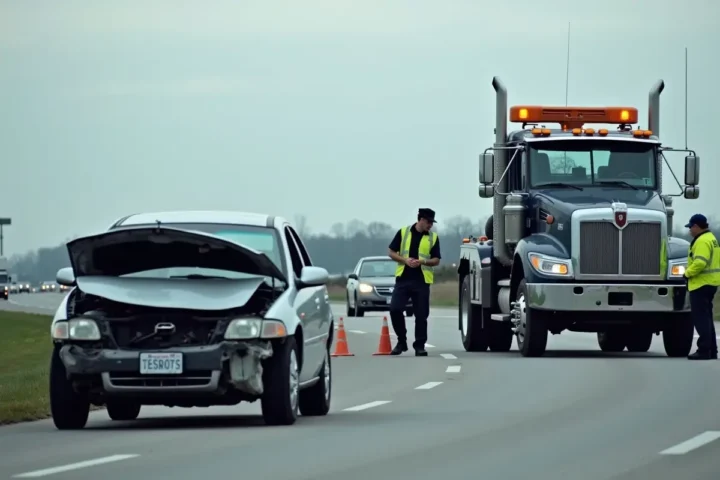
Secure the Scene and Move to Safety
The very first thing you should do after a car accident or breakdown is to assess the immediate surroundings. If your vehicle is still movable, even slightly, try to pull it over to the safest possible location. This typically means the highway shoulder, as far away from the flow of traffic as possible.
Ensure your vehicle is completely off the roadway, even if it means driving on a flat tire for a short distance. If you are involved in a minor accident with no injuries and the vehicles are drivable, many states advise moving the vehicles to the shoulder. This action prevents further accidents and clears traffic. However, if there are injuries or significant damage, do not move the vehicles until law enforcement arrives.
Once stationary, immediately activate your hazard lights. These flashing signals are crucial for alerting other drivers to your presence and the potential obstruction. If it’s dark, foggy, or raining, this step becomes even more critical for visibility. After securing your vehicle, remain inside with your seatbelt fastened, especially on high-speed roads.
Your vehicle offers a degree of protection from passing traffic. Only exit your vehicle if you are certain it is safe to do so, for example, if you are far off the road or in a parking lot. If you must exit, do so carefully, always facing oncoming traffic, and stay as close to your vehicle as possible or move behind a barrier if one is available.
To further alert other drivers, particularly if you’re on a busy road or it’s dark, deploy reflective triangles or flares approximately 100 feet behind your vehicle. This provides an early warning, giving other drivers ample time to react and move over. This is especially important for situations where your vehicle is partially obstructing a lane or is not easily visible.
Assessing Your Vehicle’s Problem
While waiting for help, a quick assessment of your vehicle’s issue can help you communicate effectively with roadside assistance providers.
- Flat Tire: Visually inspect all tires. A flat tire is usually obvious, but sometimes a slow leak might just look low.
- Dead Battery: If your car won’t start, and you hear a clicking sound or no sound at all when you turn the key, it’s a strong indicator of a dead battery. Your lights might also be dim or not turn on.
- Engine Failure: This can manifest in many ways, from strange noises and smells to a complete loss of power. If your engine dies while driving, pull over immediately.
- Overheating: A rising temperature gauge, steam emanating from under the hood, or a burning smell are all signs of an overheating engine. Turn off the engine and let it cool.
- Out of Gas: This is straightforward. If your fuel gauge reads empty and your car sputters to a halt, you’ve likely run out.
- Warning Lights: Pay attention to any illuminated warning lights on your dashboard. These can indicate critical issues with your engine, brakes, oil pressure, or other systems. Knowing which light is on can provide valuable information to your service provider.
When to Call for Emergency Services vs. Roadside Help
It’s crucial to distinguish between situations that warrant a 911 call and those that require standard roadside assistance.
Call 911 (Emergency Services) if
- There are injuries: If you or anyone else involved in an accident is injured, no matter how minor it seems, call 911 immediately. People who hire an attorney after an injury-causing accident recover three times more than those who don’t, on average, highlighting the importance of proper documentation and care from the outset. Do not move injured individuals unless they are in immediate danger.
- Immediate danger: Your vehicle is on fire, smoking heavily, leaking hazardous fluids, or is in an unstable position (e.g., on an embankment).
- Obstructing traffic: Your vehicle is completely blocking a lane of traffic and cannot be safely moved.
- Suspected impairment: If you suspect the other driver in an accident is under the influence of drugs or alcohol.
- Hit and Run: If the other driver leaves the scene of an accident. Take photos of their license plate if possible.
- Significant Damage: If the damage to your vehicle or any one person’s property exceeds $2500, you must file an Accident & Insurance Report with the DMV. This filing must occur within 72 hours in some jurisdictions. This requirement also applies if police tow any vehicle from the scene due to damage over $2500. These scenarios often require police involvement.
Call Roadside Assistance if
- Mechanical failure without immediate danger: You have a flat tire, a dead battery, run out of gas, or your engine simply stopped working, but there’s no fire, smoke, or injuries.
- Vehicle is safely off the road: You’ve managed to move your vehicle to a safe spot, and the situation is stable.
- You need a tow: Your car is not drivable, but the situation is not an emergency.
When in doubt, it’s always better to err on the side of caution and call emergency services. They can assess the situation and dispatch appropriate help.
A Deep Dive into Professional Roadside Assistance Services
Roadside assistance is a lifeline for drivers facing unexpected vehicle troubles. It encompasses a range of services designed to help you get back on the road safely or transport your vehicle to a repair facility. Understanding what these services entail and how they operate can alleviate much of the stress associated with a breakdown or accident.
At its core, professional roadside assistance is about providing immediate, on-the-spot help when your vehicle becomes inoperable. This can be due to a mechanical failure, a flat tire, running out of fuel, or even being locked out of your car. The goal is to offer a quick resolution, minimizing your downtime and ensuring your safety.
The Digital Evolution of Roadside Help
There are generally two main ways to access roadside assistance: through membership plans or pay-per-use services. Membership plans, often offered by auto clubs (like AAA), insurance companies, or vehicle manufacturers, typically involve an annual fee and provide a set number of service calls per year, often with towing mileage limits. These plans offer peace of mind, knowing that help is just a call away without worrying about immediate payment.
On the other hand, users use pay-per-use services on an as-needed basis. You call a towing or roadside assistance provider directly, and you pay for the specific service rendered at that time. This option can be suitable for drivers who rarely experience breakdowns or prefer not to commit to an annual fee.
The rise of technology has also made on-demand help incredibly convenient. Many providers now offer mobile apps or online platforms where you can request assistance, track your technician’s arrival, and even pay for services, streamlining the entire process. This modern approach to roadside assistance means help is often just a few taps away on your smartphone.
What’s Included in Standard Roadside Assistance Services?
Most comprehensive roadside assistance packages include a variety of essential services:
- Towing: This is perhaps the most common service. If they cannot fix your vehicle on the spot or if it is not safe to drive, the service provider will tow it to a repair shop, your home, or another designated location. Towing services are crucial after a motor vehicle accident when your vehicle is not drivable due to damage.
- Battery Jump-Start: A dead battery is a frequent culprit for stranded vehicles. Roadside assistance technicians carry portable jump-start equipment to get your engine running again.
- Flat Tire Change: If you have a spare tire, a technician can often change your flat tire on the spot, allowing you to continue your journey to a repair shop.
- Fuel Delivery: Running out of gas can be embarrassing, but it happens. Roadside assistance can deliver enough fuel to get you to the nearest gas station.
- Lockout Service: Accidentally locking your keys inside your car is a frustrating experience. Technicians can often use specialized tools to safely open up your vehicle.
- Winch-Out Service: A winch-out service can use a powerful winch to pull your car back onto solid ground if it is stuck in mud, snow, a ditch, or sand.
Handling Specific Situations: From Accidents to Off-Road Recovery
Roadside assistance providers handle more complex scenarios beyond standard breakdowns, especially those following a motor vehicle accident
- Accident Towing: After an accident, the police clear the scene and emergency personnel attend to any injured parties, after which your damaged vehicle will likely need a tow. Accident towing involves carefully moving a potentially compromised vehicle to a secure location or a body shop for repairs. It’s important to choose a reputable towing company that handles accident scenes with professionalism, as your vehicle might have structural damage that requires delicate handling.
- Vehicle Recovery: This service goes beyond a simple tow. If your vehicle has gone off-road, it might be down an embankment or into a ditch. It could also be severely damaged and inaccessible. In these cases, vehicle recovery specialists safely retrieve it using heavy-duty equipment and specialized techniques.
- Winching from Mud or Snow: Similar to a general winch-out, this specifically addresses vehicles stuck in challenging terrains like deep mud or heavy snow. Specialized recovery vehicles with powerful winches are employed to extract the vehicle without causing further damage.
- Motorcycle Towing: Motorcycles require specific towing methods to prevent damage during transport. Flatbed trucks or specialized motorcycle trailers typically secure and transport the bike without putting stress on its wheels or frame.
- Heavy-Duty Vehicles: For larger vehicles such as RVs, commercial trucks, or buses, heavy-duty towing and recovery services are necessary. These operations require specialized tow trucks and equipment designed to handle the immense weight and size of such vehicles.
Professional roadside assistance services provide comprehensive support. This ensures that you have access to the help you need to resolve your vehicle emergency safely and efficiently, no matter the situation.
How to Choose a Reliable Towing and Assistance Provider
When you’re stranded, you certainly don’t want to deal with an unreliable or unscrupulous service provider. Choosing the right towing and assistance company can make a significant difference in your experience, ensuring safety, efficiency, and fair pricing. Preparing this information beforehand, or knowing what to look for on the spot, is key to a smooth resolution.
One of the most critical factors is 24/7 availability. Vehicle emergencies don’t adhere to business hours, so you need a provider who can respond at any time, day or night. This ensures that whether you break down at midnight or during rush hour, help is always accessible.
Service area coverage is equally important. Before you commit, confirm that the provider operates in your specific location. A company might advertise broad services, but they limit their immediate response area. This is particularly relevant if you frequently travel outside your usual routes.
Always prioritize providers who hold proper licenses and adequate insurance. Licensing indicates they meet industry standards and legal requirements, while insurance protects you and your vehicle in case of any damage during towing or service. Don’t hesitate to ask for proof of both.
Customer reviews and testimonials offer valuable insights into a company’s reputation. Look for consistent positive feedback regarding promptness, professionalism, and transparent pricing. While a few negative reviews are normal, a pattern of complaints about hidden fees, long wait times, or unprofessional conduct should be a red flag.
Finally, inquire about the Estimated Time of Arrival (ETA). While traffic and weather can affect this, a reputable company should be able to provide a realistic estimate and keep you updated on any changes. This helps you plan and reduces anxiety during a stressful wait.
Key Questions to Ask Before You Commit
Before you agree to any service, empower yourself by asking these crucial questions:
- What is your pricing structure? Ask for a clear breakdown of costs, including hook-up fees, mileage charges, and any potential surcharges for after-hours service or specific vehicle types. Avoid companies that are vague about their pricing.
- What payment methods do you accept? Confirm they accept your preferred payment method (cash, credit card, mobile payment) before they arrive.
- What towing method will you use? Understand if they plan to use a flatbed tow truck (generally safer for most vehicles, especially after an accident or for all-wheel-drive cars) or a wheel-lift tow truck. Ensure the method is appropriate for your vehicle type to prevent damage.
- How does your dispatch process work? Knowing how they communicate with their drivers and update customers can give you an idea of their efficiency.
- Can you confirm your licensing and insurance details? A legitimate company will be transparent about this.
For those seeking the most dependable assistance, finding the best 24/7 roadside assistance services means prioritizing these factors to ensure peace of mind.
Red Flags to Watch Out For
While most towing and roadside assistance providers are professional, it’s important to be aware of potential scams or dishonest practices:
- Unclear Pricing: If a company refuses to give you a clear quote or insists on discussing pricing only upon arrival, proceed with caution. This can be a tactic for hidden fees or inflated charges once your vehicle is hooked up.
- Unmarked Vehicles: Professional towing companies typically operate clearly marked vehicles with company logos and contact information. An unmarked tow truck could be a sign of an illegitimate operation.
- High-Pressure Tactics: Be wary of providers who pressure you into immediate decisions, try to convince you that more expensive services are necessary, or discourage you from asking questions.
- Refusal to Provide Company Details: If a driver or dispatcher is reluctant to provide their company’s name, address, or licensing information, it’s a major red flag. This lack of transparency suggests they may have something to hide.
- Solicitation at Accident Scenes: Be cautious of tow trucks that show up at an accident scene without being called. While some may monitor police scanners, it’s best to only use a service you or the police have explicitly requested.
Being informed and vigilant will ensure the help you receive is reliable, professional, and fair.
Frequently Asked Questions About Towing and Roadside Help
When you’re dealing with a stranded vehicle, many questions can arise. Understanding the answers to some common concerns can help you make informed decisions and reduce anxiety during a stressful time.
Will towing cause damage to my vehicle?
This is a common concern, especially for owners of newer or specialized vehicles. The short answer is: not if done correctly by a skilled operator using the appropriate equipment.
- Automatic Transmissions: Vehicles with automatic transmissions require specific towing procedures. Towing services should generally keep the drive wheels off the ground. This prevents damage to the transmission, often by lifting the front wheels or using a flatbed. Towing an automatic transmission vehicle with all four wheels on the ground for an extended distance can lead to severe damage due to lack of lubrication.
- All-Wheel Drive (AWD) Vehicles: AWD vehicles are particularly sensitive to towing methods. For these, a flatbed tow truck is almost always the recommended and safest option. A flatbed ensures that all four wheels are off the ground, preventing any stress on the AWD system. Towing an AWD vehicle with only two wheels lifted can cause significant damage to the drivetrain.
- Flatbed Towing: This method involves loading your entire vehicle onto a flat platform on the back of the tow truck. It’s considered the safest towing method for virtually all vehicles, especially those that are luxury, classic, severely damaged after a motor vehicle accident, or AWD. With flatbed towing, your vehicle is completely secure and experiences no wear and tear on its tires or drivetrain during transport.
- Proper Techniques: Reputable towing companies train their drivers in various towing techniques. These drivers also understand the specific requirements for different vehicle types. They use proper hook-up points and secure straps. This ensures your vehicle is transported without incident, thanks to the use of safety chains.
- Skilled Operators: The expertise of the tow truck operator is paramount. A skilled operator will assess your vehicle, its condition (especially after an accident), and the terrain to determine the safest and most effective towing method. They will take precautions to prevent scratches, dents, or mechanical strain. Before they begin, don’t hesitate to ask them about their planned approach.
How long should I expect to wait for help?
The waiting time for roadside assistance can vary significantly based on several factors, but a good provider will always strive to give you an accurate ETA and keep you informed.
- Dispatch Systems: Modern towing companies use sophisticated dispatch systems that track their fleet in real-time. This allows them to identify the closest available technician to your location, optimizing response times.
- Technician Location: The primary factor influencing your wait time is the proximity of the nearest available tow truck or service vehicle. In densely populated areas, response times might be quicker due to a higher concentration of service providers. In rural or remote areas, the wait could be longer.
- Traffic Conditions: Heavy traffic, especially during peak hours or in congested urban areas, can significantly delay a technician’s arrival.
- Weather Delays: Adverse weather conditions such as heavy rain, snowstorms, or ice can slow down response times due to hazardous driving conditions for the tow truck operator and increased call volumes.
- Getting an Accurate ETA: Be prepared to give precise details about your location to the dispatcher. This includes cross streets, highway mile markers, and landmarks, along with your vehicle’s make and model and a clear description of the problem. Providing these details helps the dispatcher give you the most accurate estimated time of arrival (ETA). If you are involved in a motor vehicle accident, mention this, as it may require specific equipment or procedures.
While waiting, stay safe inside your vehicle if possible, and keep your phone charged so you can receive updates from the service provider.
What if my car is stuck but doesn’t need a tow?
Sometimes, your vehicle hasn’t broken down; it has simply become stuck in a precarious position. This is where winch-out services come into play.
- Winch-Out Services: A winch-out is specifically designed for situations where your vehicle is immobilized but not necessarily damaged or in need of a full tow. This service uses a powerful winch mounted on a tow truck to pull your vehicle out of a difficult spot.
- Mud, Snow, or Ditches: Deep mud, heavy snowdrifts, sandy patches, or a shallow ditch often cause drivers to get stuck and require a winch-out. These situations often occur when drivers venture off paved roads or during inclement weather.
- Vehicle Recovery: A winch-out is one form of vehicle recovery. However, “recovery” can also encompass more complex operations, possibly requiring specialized equipment if a vehicle is overturned, partially submerged, or in a hard-to-reach area.
- Assessing the Situation: When you call for help, describe your situation accurately. Explain where your vehicle is stuck, describe the type of terrain, and report any visible damage. This helps the provider send the right equipment and technician. A skilled operator can often free your vehicle without needing to tow it to a repair shop, saving you time and money.
These FAQs highlight the importance of clear communication and understanding the capabilities of your chosen roadside assistance provider to ensure the most appropriate and efficient help.
Conclusion
Navigating the aftermath of a motor vehicle accident or a sudden vehicle breakdown can be a daunting experience. However, by understanding the essential steps and resources available, you can transform a chaotic situation into a manageable one. We’ve covered the critical immediate safety steps you should take, from pulling over safely and activating hazard lights to assessing your vehicle’s problem and knowing when to call emergency services versus roadside assistance.
We dig into the comprehensive world of professional roadside assistance services, detailing what’s typically included. These services often cover towing, jump-starts, flat tire changes, fuel delivery, lockout services, and winch-outs. We also explored specialized scenarios like accident towing, vehicle recovery, and handling heavy-duty vehicles, emphasizing that help is available for nearly any situation.
Furthermore, we provided a guide on how to choose a reliable towing and assistance provider, highlighting the importance of 24/7 availability, service area coverage, proper licensing and insurance, and customer reviews. We armed you with key questions to ask before committing to a service and pointed out red flags to watch out for, ensuring you receive professional and fair treatment.
The key to managing roadside emergencies with confidence lies in preparedness. Having a plan, knowing who to call, and understanding the services available can provide immense peace of mind. Keep an emergency kit in your car, store the contact information for your preferred roadside assistance provider in your phone, and review your insurance policy to understand your coverage. Taking these proactive steps will equip you well to handle any unexpected event on the road, ensuring your safety and getting you back on your journey as smoothly as possible.