Understanding the Complete Fire Damage Restoration Process
Experiencing a fire can be one of the most traumatic events a property owner faces. Whether in a home or a commercial building, the aftermath leaves not only visible destruction but also hidden threats, such as smoke, soot, and water damage. Understanding the steps involved in fire restoration is essential for regaining a sense of normalcy and protecting your property’s long-term integrity.
Restoration is more than just repairing visible fire damage—it involves thorough cleaning, sanitization, and reconstruction to ensure the environment is safe and healthy. Immediate, coordinated action minimizes secondary issues and helps families or businesses recover faster and more effectively.
Initial Assessment and Safety Measures
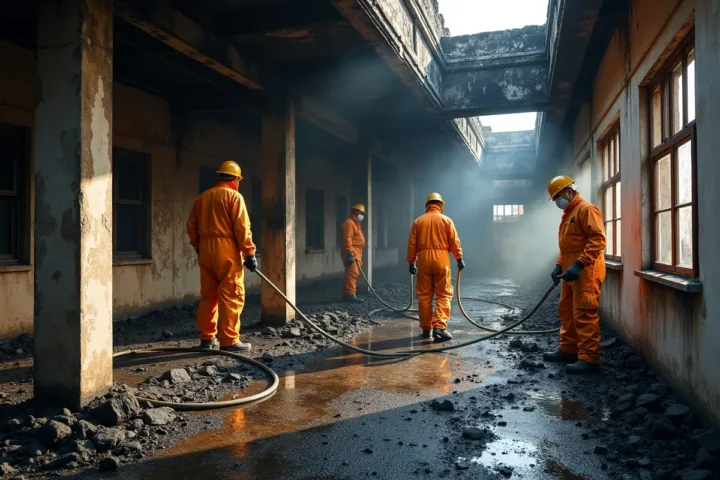
After the flames have been extinguished, the first step in recovery is a comprehensive assessment by certified restoration professionals. They evaluate the entire property, identifying hazards like weakened structural elements, lingering smoke, or exposed wiring. Assessing both obvious and hidden damage is key to creating a detailed restoration plan and prioritizing immediate safety.
Securing the property is a critical element at this stage. Boarding up broken windows and doors and placing tarps over exposed roofing areas protects the site from vandalism, weather, and further deterioration. Experts often coordinate closely with firefighters, insurance adjusters, and local authorities to ensure their actions align with safety protocols and legal requirements.
Water Removal and Drying
Fire suppression methods—such as sprinklers and hoses—typically leave behind extensive water damage, which can increase the risk of mold and further decay. Rapid removal of standing water helps limit structural compromise and microbial growth. Restoration teams utilize industrial pumps followed by dehumidifiers and high-speed air movers to thoroughly dry out affected areas.
Initiating the drying process immediately is crucial. Addressing water within the first 24-48 hours significantly reduces the risk of long-term mold and rot, making the environment safer for rebuilding and restoration efforts.
Smoke and Soot Cleanup
After water removal, attention turns to pervasive smoke and soot damage. Particulate matter from burning materials can penetrate deep into walls, insulation, floors, and air ducts, causing discoloration and unpleasant odors that linger long after the fire is out. Using specialty vacuums, air scrubbers, and chemical sponges, professionals methodically clean affected surfaces while preventing soot from spreading to previously unaffected areas. Meticulous remediation removes health hazards and prepares surfaces for reconstruction or finishing.
Sanitization and Odor Removal
Once visual residues are removed, specialized cleaning agents are used to disinfect surfaces and remove any remaining bacteria or contaminants. This step is especially important where water damage is present, as damp environments can harbor harmful pathogens. To address persistent odors, professionals employ advanced deodorization methods, including thermal fogging, ozone treatments, and hydroxyl generators. These techniques neutralize odors in textiles, insulation, and air systems, restoring indoor air quality and comfort.
Structural Repairs and Reconstruction
The severity of fire and water damage often necessitates partial or full rebuilding of certain areas. This stage can include repairing or replacing drywall, flooring, roofing, cabinetry, and framing. Reconstruction not only restores the building’s original appearance but also ensures compliance with safety codes and modern construction standards. Working with experienced contractors who specialize in fire damage is essential to guarantee quality workmanship and adherence to timelines.
Content Restoration
Beyond the building itself, personal belongings such as furniture, electronics, clothing, and cherished heirlooms may be affected by smoke and water. Professional restoration companies assess items for salvageability, cleaning them using methods such as ultrasonic cleaning, dry cleaning, or specialized odor removal. Documentation and photographs are kept for items beyond repair, which is invaluable for insurance claims and compensation. This careful approach helps recover what matters most while streamlining the claims process.
Final Inspection and Prevention
The process concludes with a rigorous inspection to ensure all damage has been addressed and the property is structurally sound and safe for reoccupation. Restoration professionals walk the owners through the completed site, answering questions and ensuring total satisfaction. Additionally, experts provide recommendations for enhanced fire safety, including the installation of updated smoke alarms, fire extinguishers, and emergency evacuation plans, to minimize future risks.
Conclusion
Fire damage restoration is a detailed, multi-step process that goes far beyond surface repairs. From initial safety assessments and water removal to smoke cleanup, reconstruction, and final inspections, each stage plays a critical role in restoring both the property and peace of mind. Acting quickly and relying on trained professionals helps prevent secondary damage, ensures a safe living environment, and supports a smoother recovery. With the right approach, property owners can move forward confidently and reduce the risk of future fire-related losses.