
Tips for Trekking the Annapurna Circuit in Nepal
Trekking the Annapurna Circuit in Nepal is an unforgettable experience, offering adventurers a chance to immerse themselves in stunning natural landscapes and rich cultural traditions.
Known for its varied terrain and breathtaking mountain vistas, the Annapurna Circuit attracts thousands of trekkers each year. However, a successful trek requires meticulous planning and preparation, from understanding Nepal trek costs to considering physical fitness and local customs.
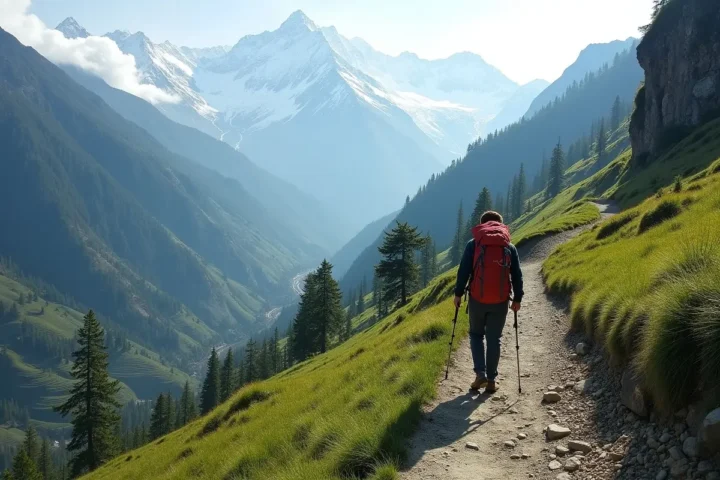
The allure of the Annapurna Circuit is matched by its challenges, making thorough preparation a must for every trekker. Below, we delve into essential tips for planning, health safety, packing, and observing local customs to help ensure an enjoyable and respectful journey through one of the world’s most spectacular trekking routes.
Preparing for the Annapurna Circuit Trek: Essential Planning Tips
Planning your trek well in advance can greatly enhance your experience on the Annapurna Circuit. It’s recommended to start preparing at least six months before your intended departure to adequately condition your body and arrange necessary logistics. This timeframe allows for gradual physical conditioning, which is vital for an enjoyable and successful trek.
Securing permits is another critical aspect. Trekkers must obtain an Annapurna Conservation Area Permit (ACAP) and a Trekkers’ Information Management System (TIMS) card. Prices and requirements may vary, and these can usually be arranged through trekking agencies in Kathmandu or Pokhara. Additionally, researching Nepal trek costs can help in budgeting for guides, porters, food, and accommodations.
Finally, consider timing your trek to coincide with the best weather conditions. The pre-monsoon season (March to May) and the post-monsoon season (September to November) typically offer clearer skies and more favorable temperatures, making for a safer, more enjoyable trekking experience.
Navigating Altitude Sickness and Health Safety on the Trail
Altitude sickness is a significant concern when trekking the Annapurna Circuit, given its high elevation, with the Thorong La Pass reaching 5,416 meters. Recognizing the symptoms of altitude sickness early on is crucial for your health and safety on the trail.
Staying hydrated, ascending slowly, and incorporating rest days for acclimatization can mitigate the risks of altitude sickness. Trekkers should plan their itinerary so that they do not climb more than 300-500 meters per day once they are above 3,000 meters. If symptoms appear—headache, nausea, or dizziness—a descent to a lower altitude is often the best immediate remedy.
Carrying a basic first aid kit equipped with altitude sickness medication, such as acetazolamide, is wise. Additionally, securing travel insurance that covers medical evacuation is recommended for peace of mind in case of severe health issues. Consult a healthcare professional before your trip to discuss any necessary vaccinations and health precautions.
Packing Essentials for a Comfortable Annapurna Circuit Experience
The right gear can make or break your Annapurna Circuit trekking experience. Given the range of climates and terrains encountered, versatile and durable clothing is essential. Layering is key; include lightweight base layers, insulating mid-layers, and a waterproof outer shell.
Investing in high-quality hiking boots is another top priority, as they must withstand long distances and rugged paths. Boots should be worn in before the trip to prevent blisters. Don’t overlook the importance of a comfortable and supportive backpack, especially if you opt out of hiring a porter. A backpack with integrated rain protection can safeguard your belongings against sudden downpours.
Additional items include a high-quality cold-weather sleeping bag, a headlamp for early-morning or evening treks, and a water purification method, such as tablets or a filter. Remember that plastic bottles are discouraged to minimize your environmental footprint; consider a reusable water bottle or hydration bladder instead.
Cultural Etiquette and Sustainable Trekking Practices in Nepal
Respecting the local culture and environment is an integral part of trekking the Annapurna Circuit. Understanding and following cultural norms will foster positive interactions with the Nepali people. Basic tenets include dressing modestly, greeting locals with “Namaste,” and always asking permission before taking photographs.
When it comes to sustainability, trekkers should adhere to a “leave no trace” philosophy. This includes properly disposing of waste, avoiding single-use plastics, and choosing eco-friendly lodgings when possible. Engaging with locally owned businesses supports the regional economy and can offer a more authentic cultural experience.
Participating in socially and environmentally responsible tourism practices benefits both trekkers and host communities. For instance, you can contribute by dining at local eateries or purchasing crafts from village artisans, which helps distribute the financial benefits of tourism more equitably.
Ultimately, trekking the Annapurna Circuit is an adventure that combines physical challenges with cultural enrichment. By meticulously planning, prioritizing health safety on the trail, carefully packing the right gear, and observing local customs and environmental considerations, you can have a fulfilling and memorable trek.
These practices not only ensure a more personal and rewarding experience but also help preserve the beauty and integrity of one of Nepal’s treasured landscapes for future generations.