The Evolution of Luxury Residential Spaces in Chicago
Chicago’s vibrant urban landscape is always changing. This evolution is very clear in how we live and the homes we choose. The Edgewater neighborhood on the North Side stands out in this shift. It offers a rich mix of history and modern luxury.
In this guide, we will explore Edgewater’s unique appeal. We will also look at its diverse real estate market. We will cover everything from classic buildings to new, luxurious residential spaces. Our goal is to provide a complete picture of this desirable Chicago area.
Edgewater, a jewel on Chicago’s North Side, epitomizes the allure of modern urban living. Its prime location, seven miles north of the Loop, offers residents the dual advantage of tranquil lakefront serenity and convenient access to the bustling city center. This community area, bounded by Foster Avenue to the south, Lake Michigan to the east, Devon Avenue to the north, and Ravenswood Avenue to the west, has long been recognized for its unique blend of natural beauty and metropolitan convenience.
The neighborhood’s profile is characterized by a dense urban feel, creating a vibrant, walkable environment. With a population of approximately 49,255 residents, Edgewater maintains a lively atmosphere while still offering pockets of quiet residential charm. The proximity to Lake Michigan is undeniably one of its most defining features, providing not just scenic views but also a refreshing escape from city life. This blend of urban density and natural amenity contributes significantly to its desirability among those seeking a balanced lifestyle.
The demographic makeup of Edgewater reflects a diverse and dynamic community. The median age of residents is 41, with an average individual income around $52,112. This indicates a mature yet active population, comprising a mix of professionals, families, and long-term residents.
The housing landscape itself speaks volumes about the community’s preferences, with a significant portion of residents choosing to rent (62.3%) versus own (37.7%). This high percentage of renter-occupied households underscores the appeal of flexible urban living and the availability of diverse rental options, including those offered by premier properties that define Heron Edgewater luxury urban living.
The Role of Community Identity in Modern Urban Living
Edgewater is not just a collection of buildings; it is a tapestry of distinct sub-neighborhoods, each contributing to the area’s rich community identity. Andersonville, known for its Swedish heritage, offers a charming, independent business district with unique boutiques, restaurants, and cultural institutions.
Edgewater Glen provides a more suburban feel with tree-lined streets and historic homes, while the Broadway corridor acts as a bustling commercial artery, offering a wide array of services and retail options. The Sheridan Road & Edgewater Beach area, with its iconic high-rises, presents a quintessential lakefront living experience.
This mosaic of identities fosters a strong sense of community. Residents actively engage in local activities, from biking and walking dogs along the lakefront paths to exploring antique shops and enjoying the diverse culinary scene. The presence of numerous shops, restaurants, and cafes creates vibrant hubs for social interaction, reinforcing the neighborhood’s reputation as a place where people genuinely connect. This emphasis on local commerce and cultural amenities contributes significantly to the high quality of life experienced by Edgewater residents.
Technology and Sustainability in Modern Urban Living
The evolution of luxury residential spaces in Edgewater also encompasses a strong focus on technology and sustainability. Modern developments and renovated properties are increasingly integrating smart home features, offering residents enhanced convenience, security, and energy efficiency. From smart appliances that can be controlled remotely to advanced climate control systems, technology is seamlessly woven into the fabric of daily life.
Beyond individual unit features, there’s a growing commitment to sustainable building practices. Many new constructions and major renovations aim for LEED (Leadership in Energy and Environmental Design) certification, emphasizing energy efficiency, water conservation, and the use of sustainable materials.
Features like solar-ready electrical systems are becoming more common, reflecting a broader commitment to environmental responsibility. High-speed connectivity is now a standard expectation, supporting remote work, entertainment, and seamless communication. These technological and sustainable advancements not only enhance the living experience but also contribute to the long-term value and appeal of Edgewater’s real estate market.
Architectural Diversity and Property Composition
Edgewater’s real estate landscape is a fascinating study in architectural diversity, reflecting its long history and continuous evolution. From stately vintage brick buildings to sleek, modern high-rises, the neighborhood offers a wide array of housing options that cater to different tastes and lifestyles.
The housing stock in Edgewater is predominantly composed of multi-unit buildings and condominiums. Specifically, 47.1% of the housing stock consists of buildings with five or more units, while condominiums make up a substantial 37.3%. Single-family homes, though present, account for a smaller percentage at 5.3%. This composition highlights Edgewater’s identity as a densely populated urban area, where vertical living and shared community spaces are prevalent.
This dominance of condominiums and multi-unit buildings means that buyers and renters will find an abundance of choices, from efficient studio apartments to expansive multi-bedroom units. The architectural styles vary widely, ranging from classic pre-war structures with intricate detailing to contemporary designs featuring clean lines and expansive glass.
Preservation and Modernization of Historic Structures
A significant aspect of Edgewater’s architectural charm lies in its commitment to preserving and modernizing its historic structures. Many buildings, some dating back to 1914, have undergone meticulous renovations to blend historic charm with contemporary functionality. This approach allows residents to enjoy the character and craftsmanship of older architecture while benefiting from modern conveniences.
These modernization efforts often include transforming traditional layouts into open-concept designs, which maximize natural light and create more fluid living spaces. Structural restoration ensures the longevity of these cherished buildings, while interior upgrades introduce features like gourmet kitchens, spa-like bathrooms, and energy-efficient systems. The result is a unique living experience where residents can appreciate the rich history of their surroundings without compromising on modern comfort and style. This blend of old and new is particularly appealing to those who value character and a sense of place.
The Rise of High-Rise Residential Developments
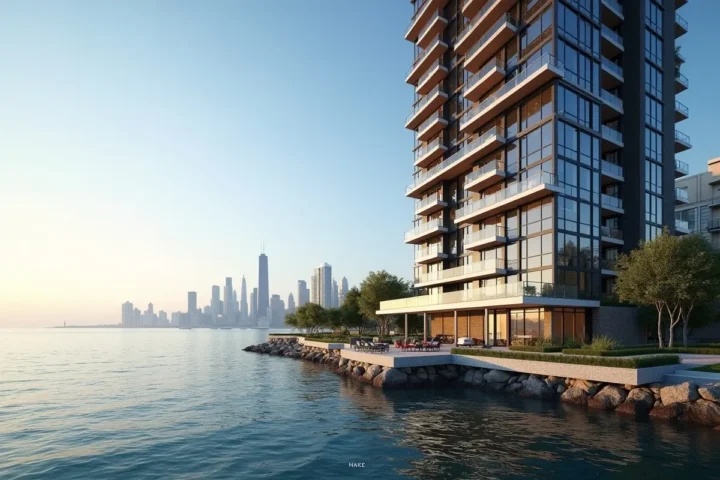
Dominating the eastern edge of Edgewater, particularly along Sheridan Road, is the striking skyline of high-rise residential developments. These buildings offer unparalleled lakefront views, providing residents with breathtaking vistas of Lake Michigan and the Chicago skyline. The rise of vertical living in this area reflects a demand for amenity-rich, convenient urban residences.
These high-rises are often architectural marvels, employing advanced structural engineering to create impressive towers that stand as landmarks in the neighborhood. Beyond their aesthetic appeal, they offer a lifestyle characterized by convenience and luxury. Many of these buildings feature direct access to the lakefront, placing residents just steps away from beaches and parks. The concentration of these developments along the lakefront has transformed Edgewater into a premier destination for those seeking a sophisticated urban living experience with a constant connection to nature.
The Impact of Lakefront Connectivity and Transit
One of Edgewater’s most compelling attributes is its exceptional lakefront connectivity and robust public transit infrastructure. These elements significantly enhance the quality of life for residents, offering seamless commutes and abundant recreational opportunities. The neighborhood’s strategic location ensures that residents can easily navigate Chicago, whether for work or leisure.
Public transportation in Edgewater is excellent, earning it an “Excellent Transit” score of 82. The Chicago Transit Authority (CTA) operates numerous bus routes throughout the neighborhood, providing convenient access to various parts of the city. Many of these routes, especially those along Lake Shore Drive, offer express services directly to downtown Chicago, making the commute efficient and straightforward. Additionally, the Metra North Line runs along Edgewater’s western border, with stations in nearby Rogers Park and Ravenswood, offering another reliable option for regional travel.
This comprehensive transit network, combined with Edgewater’s “Very Walkable” score of 73, means that many residents can comfortably live without a car. The ability to walk to local shops, restaurants, and amenities, coupled with easy access to public transport, underscores the neighborhood’s commitment to sustainable urban living and reduces reliance on private vehicles.
Transit-Oriented Development and Resident Tenure
The prevalence of excellent public transit in Edgewater has naturally led to a form of transit-oriented development (TOD). This planning strategy prioritizes dense, mixed-use development around transit hubs, fostering walkable communities and reducing commute times. In Edgewater, this translates into a higher concentration of residential buildings, particularly multi-unit and condominium structures, strategically located near bus stops and train stations.
The demographic data revealing a higher percentage of renter-occupied households (62.3%) compared to owner-occupied (37.7%) can also be linked to this transit-rich environment. Renting often offers greater flexibility for those who rely on public transit and prefer not to deal with car ownership in an urban setting. The high transit score and pedestrian access make Edgewater an attractive option for urban dwellers seeking convenience and mobility. This dynamic contributes to a vibrant, transient, yet stable community, where urban mobility is a key factor in residential choices.
Access to Natural Amenities and Recreation
Beyond its transit advantages, Edgewater boasts unparalleled access to natural amenities and recreational spaces, thanks to its lakefront location. The neighborhood provides the northern terminus of Lincoln Park and Lake Shore Drive, offering residents immediate access to miles of parks, beaches, and scenic trails.
Kathy Osterman Beach, a popular local spot, provides a sandy retreat for sunbathing, swimming, and various beach activities during the warmer months. The expansive lakefront trail system is perfect for biking, jogging, and leisurely strolls, offering stunning views of the Chicago skyline and Lake Michigan.
These natural assets are not just beautiful; they are integral to the Edgewater lifestyle, promoting outdoor activity and a strong connection to nature. The ease of access to these recreational opportunities is a significant draw for residents, enhancing their overall well-being and providing a much-needed respite from urban life.
High-Rise Amenities and Lifestyle Integration
The luxury residential spaces in Edgewater, particularly the high-rise condominiums along Sheridan Road and the lakefront, are defined not just by their stunning views and prime locations, but also by an impressive array of amenities that foster a sophisticated and convenient lifestyle. These buildings are designed to integrate seamlessly into the daily lives of residents, offering services and facilities that enhance comfort, security, and community.
Typically, residents in these high-rise buildings benefit from features such as a 24-hour doorman, providing security and concierge services. State-of-the-art fitness centers are common, allowing residents to maintain their health and wellness without leaving the building. On-site parking, a valuable commodity in an urban environment, is frequently available, often in heated garages.
Beyond these, many buildings offer additional services like dry cleaning pick-up, package receiving, and even dedicated management staff to address resident needs. The Homeowners Association (HOA) fees often cover a comprehensive suite of these amenities, alongside essential utilities like heat, air conditioning, water, cable, and internet, simplifying urban living for residents.
Interior Design Trends in Luxury Spaces
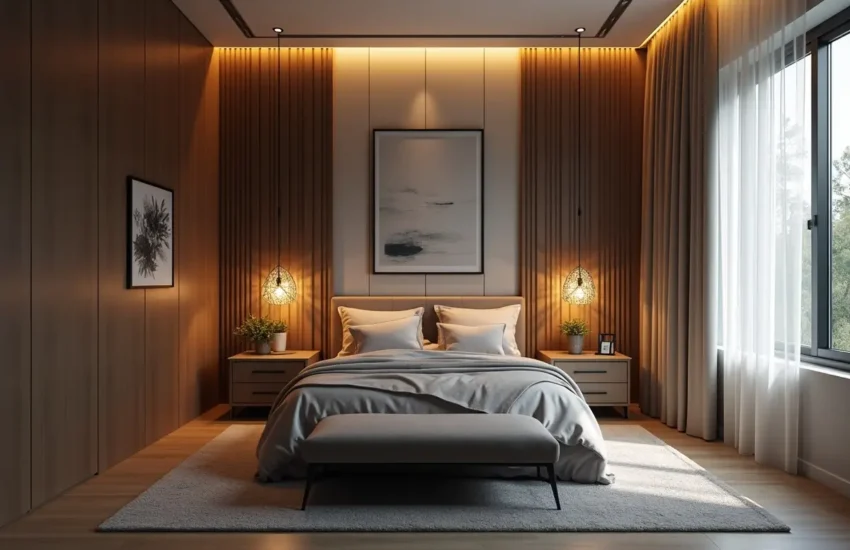
The interiors of Edgewater’s luxury residential units reflect contemporary design trends that prioritize both aesthetics and functionality. High-end finishes and thoughtful layouts are standard, creating spaces that are both beautiful and highly livable.
Common features include granite counters in kitchens and bathrooms, providing durability and a touch of elegance. Luxury vinyl plank (LVP) flooring is increasingly popular for its resilience, ease of maintenance, and sophisticated appearance, often mimicking the look of hardwood. Stainless steel appliances are a staple in modern kitchens, offering a sleek, professional look and advanced functionality.
Custom cabinetry provides ample storage and contributes to a tailored, high-end feel. Crucially, these designs often maximize natural light, with large windows that not only offer impressive views but also create bright, airy living environments. The integration of smart home technology, from lighting controls to climate systems, further enhances the modern living experience.
Community Spaces and Social Connectivity
Luxury residential buildings in Edgewater understand that a home extends beyond the four walls of an individual unit. They are increasingly designed with a focus on fostering community and social connectivity through shared spaces. These amenities provide residents with opportunities to relax, socialize, and engage with their neighbors.
Rooftop decks are a prime example, offering panoramic views of the city and lake, often equipped with grilling stations, seating areas, and even fire pits. These spaces become vibrant hubs for social gatherings, from casual evening hangouts to organized resident events. Private balconies, attached to individual units, provide personal outdoor retreats.
Resident lounges and party rooms offer comfortable settings for larger social events or simply a change of scenery. For those who work from home or require dedicated workspaces, shared workspaces and business centers are becoming standard features. These thoughtfully designed communal areas contribute significantly to the overall lifestyle experience, transforming buildings into true urban communities.
Frequently Asked Questions about Chicago Real Estate
We understand that exploring a dynamic market like Edgewater can raise many questions. Here, we address some common inquiries to provide further clarity on the real estate landscape in this desirable Chicago neighborhood.
What property types are most common in the Edgewater area?
The housing stock in Edgewater is distinctly urban, with a strong emphasis on multi-unit dwellings. Our analysis shows that buildings with five or more units constitute 47.1% of the residential properties, while condominiums make up 37.3%. Single-family homes, though integral to certain sub-neighborhoods, represent a smaller portion at 5.3%. This composition means that prospective buyers and renters will find a wide selection of condos and apartments, ranging from studios to multi-bedroom units, often within larger residential complexes.
How accessible is the North Side for commuters?
Edgewater boasts exceptional accessibility for commuters, a key factor in its appeal. The neighborhood is well-served by the Chicago Transit Authority (CTA), with numerous bus routes crisscrossing the area. Many of these routes, particularly those along Lake Shore Drive, provide express services directly to downtown Chicago, ensuring efficient travel times.
Furthermore, the Metra North Line, which runs along the western boundary of Edgewater, offers another convenient option for reaching various destinations within the broader metropolitan area. This robust public transit network, combined with the neighborhood’s high walkability score, makes it an ideal location for those who prefer to commute without a private vehicle.
What are the typical features of lakefront high-rise buildings?
Lakefront high-rise buildings in Edgewater are designed to offer a premium urban living experience, characterized by a comprehensive suite of amenities and services. Residents commonly enjoy the convenience and security of a 24-hour doorman, providing both peace of mind and concierge assistance. Many buildings feature state-of-the-art fitness centers, allowing residents to maintain an active lifestyle without leaving home.
On-site parking, often in heated garages, is a highly valued amenity in this dense urban environment. Beyond these, residents frequently benefit from direct access to Lake Michigan beaches and parks, offering immediate opportunities for recreation and relaxation right at their doorstep.
Conclusion
Edgewater stands as a testament to the evolving landscape of luxury residential spaces in Chicago. Its unique blend of lakefront charm, vibrant community identity, and robust urban amenities creates an unparalleled living experience. From the architectural diversity that honors its past while embracing the future, to the seamless integration of technology and sustainability, Edgewater continues to define modern urban living.
The neighborhood’s strong connectivity, whether through its efficient public transit or its direct access to natural recreational spaces, ensures a lifestyle of convenience and well-being. Coupled with the sophisticated amenities found in its luxury high-rises, Edgewater offers more than just a home; it offers a comprehensive lifestyle. As Chicago continues to grow and adapt, Edgewater remains a beacon of desirability, promising continued community growth and a stable, attractive real estate market for years to come.