
Safe Boating Tips for Summer Adventures
Warm weather is the perfect invitation to get out on the water and enjoy boating with friends and family. From sun-kissed afternoons drifting on a calm lake to exciting excursions along scenic coastal waters, boating offers a memorable way to connect with loved ones and recharge amidst nature.
However, with the thrill of these adventures comes the responsibility to take proactive steps to ensure everyone’s safety. Creating unforgettable memories on the lake, river, or ocean also means taking the right steps to protect yourself and your passengers.
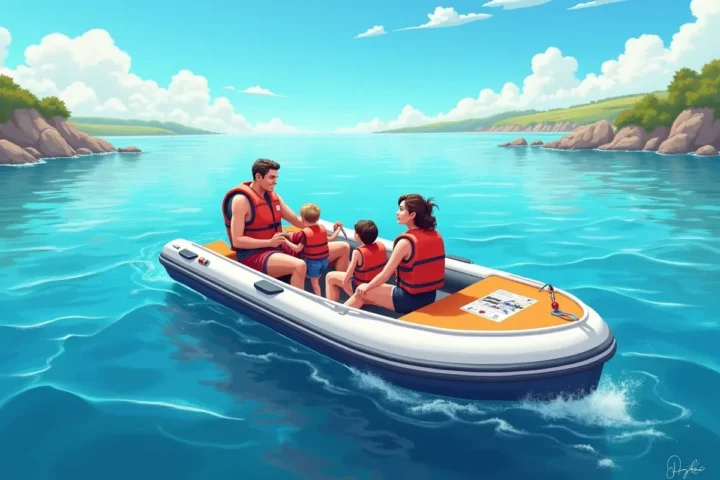
Whether you’re a seasoned captain with years of experience or a newcomer eager to learn, attentiveness and preparation are crucial for a safe adventure. From proper gear to emergency preparedness, embracing safe boating practices will not only safeguard your loved ones but also ensure a relaxing, worry-free day at sea. For anyone planning group outings or special occasions on the water, Playpen Chicago event planning is an excellent resource for organizing safe, enjoyable events tailored to your unique needs.
Successful boating adventures start with education, the right equipment, and a plan to handle the unexpected. Reviewing safety best practices before each trip and staying informed about local guidelines can make all the difference between a memorable outing and a regrettable mishap. Boating isn’t just about steering clear of hazards—it’s about cultivating a culture of care, accountability, and preparedness every time you hit the water.
By prioritizing safety, boaters help maintain a positive reputation for the entire boating community and ensure every trip remains enjoyable for all involved. When each member of your group understands their responsibilities and follows essential protocols, it strengthens everyone’s confidence and builds a strong foundation for lifelong boating enjoyment.
The Importance of Wearing Life Jackets
Life jackets are a non-negotiable element of boating safety and should be considered the first line of defense for every boater, regardless of experience or swimming ability. Even the strongest swimmers can quickly become disoriented or fatigued in unexpected situations, such as falling overboard or facing choppy waters.
Statistics from the U.S. Coast Guard emphasizes that most drowning incidents could be prevented with a properly worn life jacket, with nearly 85% of boating-related drowning victims not wearing one at the time of the incident. It’s vital to choose Coast Guard-approved jackets that are appropriately sized for every guest on board, including children and pets, to ensure a snug fit that won’t slip off in the water.
Additionally, don’t just keep life jackets in storage—make it a habit for everyone to actually wear them whenever the boat is underway, especially in rough water or reduced visibility. Educating new and hesitant passengers about the importance of life jackets can help foster compliance and set a positive example for others on board.
Enrolling in Boating Safety Courses
Knowledge is one of the best defense mechanisms you can have on the water. Modern boats come with a variety of features and controls that require a basic working knowledge to use safely and effectively. Boating safety courses teach essential skills, including interpreting navigational charts, responding to emergencies, using signaling devices correctly, and understanding local and federal navigation laws.
Organizations like the U.S. Coast Guard Auxiliary, state boating agencies, and the NASBLA (National Association of State Boating Law Administrators) offer comprehensive courses. They provide these courses both in person and online, making it easier than ever to get trained. Many states require proof of having completed a certified safety course before issuing a boating license, especially for personal watercraft operators and younger boat drivers.
In addition to learning rules and regulations, these courses boost your confidence when handling challenging situations and foster a sense of belonging to the national boating community by aligning safety standards nationwide.
Regular Vessel Maintenance
Performing routine maintenance and inspections is vital to preventing mechanical failures and accidents that could put everyone at risk. Before each trip, conduct a thorough check of the boat’s critical systems. You should examine the engine for leaks or wear, confirm sufficient fuel, and ensure batteries are charged. Finally, inspect hoses and wiring for any damage that could cause electrical failures. Safety equipment such as fire extinguishers, flares, and first aid kits should be easily accessible and checked for expiration or depletion.
Furthermore, upgrade to Metric Stainless Steel Fasteners to provide the necessary strength and rust resistance to keep your deck fittings and mechanical components secure against harsh saltwater. Finally, inspect hoses and wiring for any damage that could cause electrical failures. Safety equipment such as fire extinguishers, flares, and first aid kits should be easily accessible and checked for expiration or depletion.
Cleaning the hull not only keeps your vessel efficient but also helps you spot any cracks. It also helps you spot barnacles or invasive species that need to be removed or reported. Test navigation lights, anchor lights, and other electrical components every time you prepare to set out. This is especially important if you expect to be boating after dark or in low-visibility conditions.
Establishing a written maintenance log can help track routine upkeep and repairs, ensuring nothing is overlooked. This action prolongs the life of the boat while significantly minimizing risks on the water.
Monitoring Weather Conditions
Sudden weather changes can quickly transform a pleasant excursion into a dangerous situation. Storms, high winds, waves, and fog present serious risks for even experienced mariners. Always consult a reliable weather app or the NOAA marine forecast before departing, and remain vigilant for sudden shifts in weather patterns, including changes in cloud formations, wind direction, or temperature.
Having a VHF marine radio on board allows you to receive real-time weather alerts and urgent advisories, making it easier to seek shelter promptly if conditions deteriorate. Preparing for bad weather also means having appropriate navigation charts, planning alternate routes, and identifying safe harbors or protected coves along your journey.
For those less familiar with reading marine weather reports, the National Weather Service’s Safe Boating resources provide accessible guides and training. Knowing how to respond calmly and efficiently to weather threats can make the difference between a safe return and a potentially hazardous ordeal.
Avoiding Alcohol While Boating
Alcohol consumption is a proven risk factor for accidents on the water, significantly increasing the likelihood of injury or death. Alcohol quickly compromises the continuous attention, balance, coordination, and sound judgment that boating requires.
Statistically, alcohol is the leading known contributor to fatal boating incidents, playing a role in nearly one quarter of all boating fatalities, according to the U.S. Coast Guard. Not only is boating under the influence illegal in every state, but offenders also face hefty fines, license suspension, or even jail time for putting others at risk. Designate a sober skipper for every outing to help ensure a safe and pleasant voyage for all aboard.
Encourage guests to save alcoholic beverages until after returning to the dock or shore, and prioritize hydration with water or sports drinks, especially on hot summer days when dehydration and heat exhaustion can further impair judgment. Creating clear policies about alcohol use on your boat fosters a responsible, safety-first environment and can prevent tragic outcomes.
Preparing for Emergencies
No one expects to face a crisis, but planning for the unexpected is a crucial part of responsible boating. Stock your vessel with essential safety equipment, including visual distress signals (e.g., flares), sound-producing devices (e.g., whistles or air horns), multiple fire extinguishers, and a waterproof, well-stocked first aid kit tailored for common boating injuries. Testing all electronic communication devices, including cell phones and VHF radios, before each departure is a smart precaution.
Filing a float plan with someone reliable on shore—detailing your departure point, destination, planned route, and estimated return time—can speed up search-and-rescue operations in the event of an emergency. Practicing emergency drills with your crew or guests ensures that everyone knows how to locate life jackets, operate extinguishers, and follow evacuation procedures. Staying calm, acting quickly, and having a clear plan can be lifesaving during any unforeseen situation.
Understanding Navigation Rules
Knowing the rules of the water isn’t just smart—it’s the key to keeping yourself and others safe while promoting courteous and cooperative boating. Understanding right-of-way principles, local navigation markings, and vessel operational boundaries is essential for minimizing confusion and preventing collisions on busy waterways. Always pay attention to channel markers, buoys, and speed regulations, as these extrinsic indicators help guide your path and communicate important information about underwater hazards or traffic separation schemes.
Resources from trusted organizations, such as the BoatUS Foundation, provide detailed guides, videos, and interactive tools to help every boater learn these essential navigation rules. Maintaining good boating etiquette by yielding to smaller or less maneuverable craft, minimizing wake near shorelines or anchored boats, and keeping noise levels low ensures everyone has a positive experience on the water.
Conclusion
Taking to the water is one of summer’s greatest pleasures. By making safety your priority, you pave the way for adventure, relaxation, and lifelong memories with every outing. Invest in the right equipment, continually seek out new knowledge, and always respect both nature and fellow boaters to create the best environment for fun and fellowship. These safe boating tips can make your next summer outing as carefree, exciting, and secure as you imagine—while keeping everyone protected during every moment on the water, ensuring that all your adventures lead to happy returns.