
Enhancing Your Pool with Waterline Tiles: Benefits and Considerations
When designing or renovating a swimming pool, waterline tiles can transform both appearance and maintenance. These tiles are installed just at the water’s edge and provide an essential barrier against weather, water, and routine wear and tear. Homeowners seeking reliable yet stylish ways to upgrade their backyard oasis should consider the advantages of waterline pool tiles, which create a refined, enduring surface that enhances the entire pool environment.
From protecting the pool’s surface to allowing for creative design expression, waterline tiles offer a unique combination of function and flair. Choosing the right style and materials can mean the difference between a pool that requires constant attention and one that stands beautifully, resisting staining, fading, and mineral buildup. Understanding the benefits and considerations helps pool owners create safe, attractive spaces that are easier to maintain and customize. In this guide, we break down the key advantages, design possibilities, and practical details to empower your next project.
Beyond aesthetics, waterline tiles become an essential part of everyday maintenance. Their easy-to-clean surfaces mean less time scrubbing scum lines or dealing with stubborn stains, so that you can enjoy the water more. Whether you are planning a new pool or updating an older one, investing in high-quality tiles can prolong the life of your pool’s interior and add long-term value to your property.
For those interested in making informed decisions before embarking on a pool renovation, it is essential to explore industry resources, such as Balian Ceramics’ waterline pool tile ideas, to gain additional insights into the latest trends and best practices.
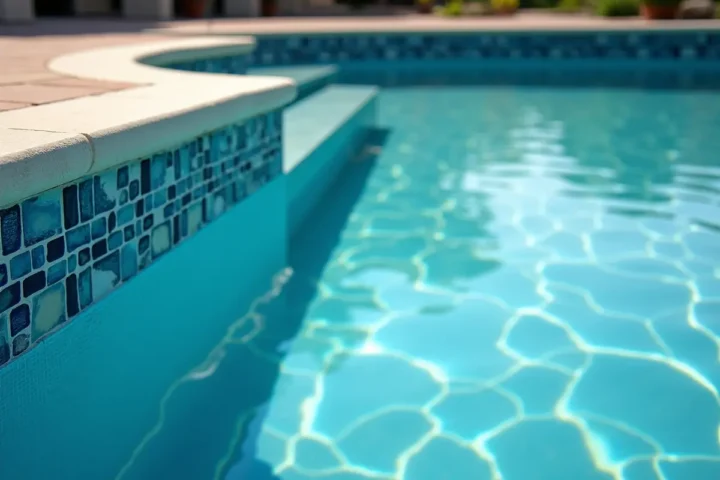
Protection and Maintenance
Waterline tiles fulfill a vital role in preserving the integrity of the pool’s finish. Without these tiles, the upper section of the pool is more vulnerable to staining and deterioration caused by sunscreens, oils, minerals, and regular chlorine use. Sunlight exposure can quickly degrade unprotected plaster or aggregate finishes, leaving behind unsightly marks and persistent water lines. The right tiles act as a resilient shield, keeping this vulnerable zone protected season after season.
Regular maintenance is also much less labor-intensive thanks to the smooth, non-porous surface of most waterline tiles. Weekly brushing or wipe-downs will generally remove most dirt and deposits. This means fewer deep cleanings and less reliance on expensive chemical treatments. For many pool owners, this streamlined maintenance represents a significant time-saver and helps avoid costly repairs or premature resurfacing. Guidance on best maintenance practices can be found on trusted sites like Balian Ceramics.
Aesthetic Enhancement
Waterline tiles significantly contribute to the visual impact of any swimming pool. As decorative borders, they highlight the structure’s geometry while providing a clean visual break between the water surface and the surrounding hardscape. Today’s homeowners can select from countless colors, textures, and finishes, from classic blue ceramic tiles to shimmering mosaics that reflect sunlight and add visual complexity to the water’s edge.
Glass mosaic tiles, for example, are prized for their reflective qualities, delivering a vibrant, ever-changing interplay of light and water. These visual effects bring added depth and elegance to pool designs, complementing modern and traditional landscapes alike. Natural stone tiles, by contrast, introduce a sense of organic texture and color that can harmonize with natural surroundings for a cohesive outdoor living space.
Material Options
Porcelain Tiles
Porcelain tiles are a leading choice for pool waterlines because of their strength and resistance to chemicals, moisture, and temperature fluctuations. Available in many shapes and finishes, porcelain adapts well to various design requirements and typically requires little upkeep.
Glass Tiles
These tiles provide rich color and iridescence, making them a favorite for resort-style pools. Glass tiles are impervious to water, non-fading, and easy to keep clean, adding a touch of modern luxury to both private and commercial pools.
Natural Stone Tiles
Choices like slate or travertine offer a more rustic and natural look, though they require additional sealing and care to prevent staining and water absorption. Homeowners drawn to earthy tones should factor in this maintenance when choosing stone tiles for pool waterlines.
Installation and Durability
Long-term performance begins with proper installation. Selecting commercial-grade thinset and grout formulated specifically for submerged use ensures that waterline tiles will remain securely bonded despite constant exposure to water and chemicals. Skilled installers ensure precise leveling to eliminate uneven edges, prevent cracking, and provide a professional look that lasts for years. It is also essential to match the tile material to local environmental factors, such as freeze-thaw cycles, as specific stones or glass blends may expand and contract at different rates than porcelain.
Expert craftsmanship and careful planning are the best defenses against issues like tile separation or moisture intrusion. With the right choices, you can expect both an attractive and a structurally sound result that stands up to heavy use and seasonal shifts.
Eco-Friendly Choices
Eco-minded pool owners can now find a variety of sustainable tiling solutions. Recycled glass waterline tiles repurpose post-consumer glass to divert waste from landfills, and their energy-efficient manufacturing reduces overall environmental impact. These tiles do not compromise on aesthetics or longevity, delivering durability and beauty while aligning with responsible building practices. When planning an eco-friendly pool upgrade, consider the sources and environmental certifications of all materials to ensure your project aligns with broader sustainability goals.
Conclusion
Adding or updating waterline tiles is one of the most effective ways to enhance both the look and resilience of your swimming pool. These features protect against familiar sources of staining, simplify maintenance, and provide a customizable canvas for your personal style. By researching materials, prioritizing proper installation, and considering environmentally responsible options, homeowners can ensure their pool area remains a source of pride and enjoyment for years to come.