How to Choose the Right Materials for Your Home’s Exterior
Choosing materials for your home’s exterior begins with a clear understanding of your local climate. Regional weather patterns, such as high humidity, frequent rainfall, freezing winters, or intense sunlight, all play significant roles in determining material suitability and lifespan. Materials that thrive in one environment may quickly deteriorate in another due to weather-specific challenges.
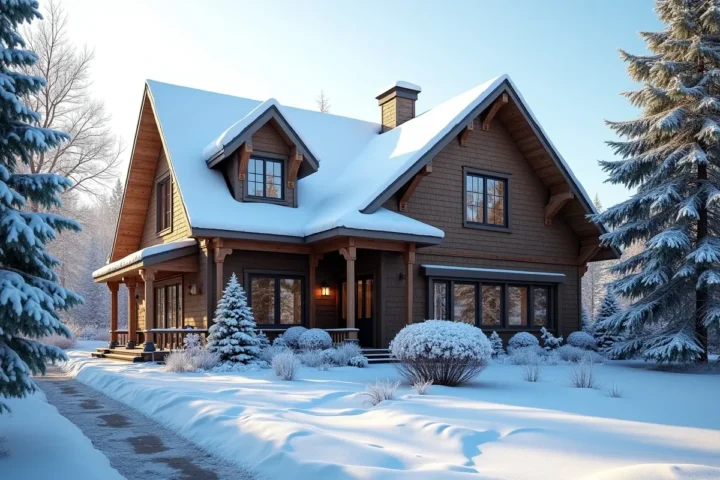
For example, coastal homes require salt-resistant finishes and moisture-proof designs to combat the corrosive effects of salty air and humidity, while homes in cooler climates benefit from materials that can reliably withstand repetitive freeze-and-thaw cycles and snow accumulation without cracking or warping. Consulting with expert first-rate exterior remodeling services can help ensure your selected materials align perfectly with local conditions, guiding you toward options that maximize both durability and performance, while reducing maintenance struggles associated with environmental factors.
It is equally vital to consider the microclimate around your property, including heavy shading from tall trees, proximity to bodies of water, and the level of exposure your home receives from wind and sun. For example, homes under a dense canopy of trees may be better suited to siding types less prone to mold, mildew, and discoloration caused by persistent shade and trapped moisture.
Conversely, if your property receives hours of direct sunlight every day, you’ll want to select materials and finishes that can resist fading, warping, and heat damage over time. Evaluating these specific site conditions ensures your choice will withstand the unique challenges of your immediate surroundings and protect your investment for years to come.
Evaluating Material Durability
Durability is a cornerstone of any good exterior material choice. Fiber cement siding stands out for its unique ability to mimic the look of wood, stucco, or brick while offering unmatched strength and high resistance to water, termites, fire, and even hail- or debris-caused impact damage. Such traits ensure a longer service life and a lower need for repairs. When you choose a more durable material, you are making a conscious investment to minimize repairs and replacements over the lifespan of your home.
According to Better Homes & Gardens, investing in long-lasting exterior materials can greatly reduce overall maintenance costs and substantially increase your property’s value, giving you peace of mind and aesthetic satisfaction. In addition, durable exteriors better protect your interior spaces from water intrusion and enhance home safety during severe weather events.
Considering Maintenance Requirements
Homeowners often desire materials that balance beauty with ease of upkeep. Wood siding, cherished for its natural look and warmth, requires ongoing maintenance, such as painting or sealing every few years, to guard against moisture-driven rot, fungal growth, and insect infiltration.
Left untreated, wood may deteriorate quickly, especially in regions with high precipitation or pest activity. In contrast, options like vinyl and fiber cement offer considerable relief with their minimal maintenance needs, while also resisting common hazards such as pests, mold, and mildew that thrive on less protected surfaces. Vinyl siding might only require a simple hose wash to keep it looking new.
Evaluate your long-term commitment to exterior upkeep and select a material that aligns with your willingness, lifestyle, and ability to perform routine maintenance. Choosing lower-maintenance solutions can save substantial time, energy, and expense, so you can focus on enjoying your home rather than continually working on it.
Assessing Energy Efficiency
Energy efficiency is another crucial consideration for today’s homeowners who want to manage heating and cooling expenses while reducing their environmental footprint. Certain siding materials, such as insulated vinyl or fiber cement paired with foam backings, serve as effective thermal barriers between your home’s interior and the outdoors. These choices help reduce unwanted heat transfer, resulting in more stable indoor temperatures and lower seasonal energy bills.
The U.S. Department of Energy recommends selecting exterior materials with high R-values, as these ratings indicate how well a material resists heat transfer. Higher R-values boost a home’s insulation and make living spaces more comfortable throughout changing seasons. Additionally, investing in energy-efficient materials may help qualify your home for green building incentives and rebates, prolonging both savings and sustainability benefits long after installation.
Balancing Aesthetic Appeal
The material you choose often defines your home’s first impression and can make a dramatic impact on your property’s curb appeal. From the classic charm of natural wood to the rugged sophistication of stone or the sleek, uniform appearance of fiber cement, it’s essential to ensure that your material selection complements your home’s architectural style and reflects your personal taste. Take cues from neighboring homes, HOA requirements, and local traditions to create a cohesive, attractive look.
Don’t forget to consider colors, textures, and finishes, as these elements will significantly influence your home’s overall visual impact. Carefully coordinated materials and thoughtful color choices can even make a modest home appear more valuable and inviting, potentially boosting resale value and neighborly admiration. Whether you seek timeless tradition or modern contrast, prioritizing aesthetic appeal will help you create a home exterior you can be truly proud of.
Considering Cost and Budget
The price difference between various exterior materials can be significant, sometimes dictating the options that are realistically available. Materials with a higher initial cost, such as natural stone or fiber cement, often provide greater longevity and lower lifetime maintenance expenses than less expensive, high-maintenance options like untreated wood. Wise homeowners carefully weigh these upfront costs against projected long-term value, factoring in not only the material price but also installation expenses, regular maintenance requirements, and potential repair costs over time.
It’s important to look beyond the sticker price and consider the total cost of ownership, which includes energy efficiency, resale value, and, in some cases, insurance premiums. Creating a realistic budget that accounts for all these elements will help you avoid surprises and ensure a financially sound investment in your home’s exterior.
Exploring Popular Material Options
- Vinyl Siding: Affordable, easy to clean, and available in many colors and textures, though it can fade or crack in harsh climates or when exposed to impact.
- Wood Siding: Naturally attractive, fits well with traditional and rustic homes, but needs regular attention, including painting, staining, and termite treatment, to prevent rot, insect damage, and weathering.
- Fiber Cement: Versatile, fire-resistant, and highly durable. It replicates the appearance of other siding but without the same vulnerabilities, making it a smart choice for many modern homes.
- Stone: Provides a luxury, timeless look, is highly weather-resistant, but comes with higher installation costs, greater foundation requirements, and added complexity.
The best siding for your home is ultimately a careful balance of your specific environmental conditions, the level of ongoing maintenance you are willing to tolerate, and your available budget. There are no one-size-fits-all answers when it comes to exterior materials, so it’s wise to carefully evaluate the long-term implications of each choice in order to make a sound investment that protects and enhances your property for years to come.
Final Thoughts
Making informed decisions about your home’s exterior materials involves weighing factors such as climate compatibility, durability, energy efficiency, maintenance, cost, and aesthetics. Each factor can substantially affect your home’s appearance and resilience. By carefully evaluating each of these criteria, you ensure not only lasting protection and performance but also an exterior that enhances your property’s value and overall curb appeal.