How to Choose the Right Dining Chairs (And Why It Matters More Than You Think)
Most people spend a lot of time choosing a dining table and almost no time thinking about the chairs. It’s understandable — the table is the visual centrepiece, it’s the big purchase, it sets the tone. But here’s the thing: you don’t actually sit in the table. You sit in the chairs.
And if those chairs are uncomfortable, mismatched with the table height, or falling apart after two years, the whole dining setup suffers for it.
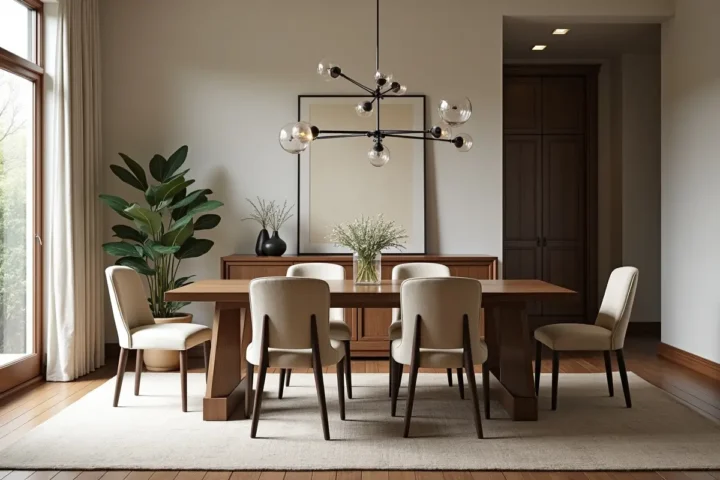
Getting your dining chairs right is one of the most impactful — and most overlooked — decisions in the home. This guide walks through everything you need to consider.
Why Dining Chairs Are More Important Than You Think
Think about how much time you actually spend sitting at your dining table. Dinner every night. Weekend breakfasts. Work-from-home overflow sessions. Guest dinners that stretch into late evenings. The chair you’re sitting in during all of that matters — a lot.
Uncomfortable chairs cut meals short. They discourage lingering. They make dinner feel like something to get through rather than something to enjoy. Chairs that wobble, creak, or look beaten up within a couple of years create a dining space that nobody wants to spend time in.
On the flip side, chairs that are genuinely comfortable, well-built, and visually cohesive with the rest of the room do the opposite. They invite people to sit down and stay a while. They make your dining room feel intentional and put-together rather than thrown together.
Getting the Proportions Right First
Before anything else — before style, before material, before budget — you need to get the proportions right. A beautiful chair that doesn’t work with your table height is useless.
The standard rule is that there should be roughly 25 to 30 centimetres of space between the seat of the chair and the underside of the table. Too little and you’re eating with your knees against the tabletop. Too much and you’re hunching forward uncomfortably. Most dining tables sit around 75 to 76 centimetres high, which means a seat height of around 45 to 48 centimetres is the sweet spot for most people.
Also factor in the apron — the horizontal piece of wood that runs along the underside of the table edge. A deep apron can reduce usable knee space significantly, so check this before purchasing chairs, especially if you’re working with an existing table.
Wood Chairs: Why They Remain the Gold Standard
There’s a reason wood dining chairs have been the default choice for centuries. They’re durable, they age beautifully, they work across a huge range of interior styles, and they’re repairable in a way that plastic or metal alternatives simply aren’t.
Solid wood dining chairs offer something that manufactured alternatives can’t replicate: character that develops over time rather than deteriorating. A scratch on a cheap plastic chair looks like damage. A worn edge on a solid oak or walnut chair looks like history. The material rewards use rather than punishing it.
From a practical standpoint, wood is also easier to maintain than upholstered dining chairs in high-traffic situations. A quick wipe-down handles most spills. Surface scratches can be sanded and refinished. And unlike upholstered seats that absorb years of dinner smells and stains, a wood chair stays looking fresh with minimal effort.
When choosing a wood species, think about both aesthetics and durability. Oak is dense, strong, and has a prominent grain that suits both rustic and contemporary spaces. Walnut is darker and smoother, leaning more luxurious. Maple is lighter in tone and exceptionally hard-wearing. Each has a distinct look, but all will outlast most alternatives by decades if properly cared for.
Style Considerations: Matching, Mixing, and Everything In Between
The matching dining set — table and six identical chairs — used to be the default. It still works, but it’s no longer the only option, and for many spaces it’s not even the best one.
Mixing chair styles has become increasingly popular, and when done well, it adds visual interest and a sense of curated personality to a dining room. A common approach is to use matching chairs along the sides of the table and a pair of more statement carver chairs at the heads. This breaks up uniformity without making the space feel chaotic.
Another option is a bench on one side and chairs on the other. This is particularly useful if you need to seat more people occasionally — a bench can squeeze in an extra person or two without pulling out an additional chair. It also softens the symmetry of the room and gives a more relaxed, informal feel.
If you’re mixing styles, the key is to keep at least one consistent element — whether that’s the wood tone, the leg style, or the overall visual weight of the pieces. Contrast without chaos is the goal.
Seat Comfort: What to Look For
Chair comfort is partly about the seat height (covered above) and partly about the seat itself. A flat, hard wooden seat is fine for short meals but can get uncomfortable over longer periods. Consider chairs with a slightly contoured seat, which distributes weight more evenly and reduces pressure on the back of the thighs.
If you want more comfort for longer sittings without committing to fully upholstered chairs, a simple solution is a set of seat cushions. These can be tied on and removed for easy washing, and they let you change the colour and texture of your chairs without buying new ones.
Back support matters too. A chair with a low back looks sleek but offers little support during extended meals or work sessions. A mid-back or high-back chair is more practical for daily use, even if it takes up a little more visual space.
How Many Chairs Do You Actually Need?
The standard answer is to match the number of chairs to the number of seats your table comfortably accommodates. But it’s worth thinking a step further — how often do you need extra seating? If you regularly host gatherings that exceed your usual headcount, it’s worth either getting a couple of extra chairs that can be stored elsewhere, or choosing an extendable table that gives you the flexibility to add more seats when needed.
Getting your dining chairs right isn’t flashy. It doesn’t make for dramatic before-and-after photos the way a paint colour change might. But it’s one of those decisions you feel every single day — every dinner, every morning coffee, every long conversation around the table. Get it right once, and you’ll barely think about it again for decades.
That’s exactly the kind of investment worth making.