Beyond the Stage: Discovering the Magic of Opera Houses
Imagine stepping into a place where every detail tells a story. Where grand architecture meets timeless art. We are talking about opera houses.
These magnificent buildings are more than just performance venues. They are cultural landmarks. They hold centuries of history and host unforgettable artistic expressions.
In this extensive guide, we will explore opera houses. We will trace their journey from ancient theaters to modern marvels. We will look at their unique architecture and how sound is shaped within their walls. We will also find their role as vibrant cultural hubs in their cities.
Join us as we go beyond the stage. Let us uncover the true magic of these iconic institutions.
The Evolution of Grandeur: From Ancient Theaters to Modern Marvels
The story of the opera house is a captivating journey that mirrors the evolution of performance arts, societal structures, and architectural innovation. Its roots stretch back to Greco-Roman antiquity, where open-air amphitheaters and odeons hosted dramatic and musical performances.
These early venues were marvels of their time, often incorporating sophisticated acoustic principles. For instance, the Roman architect Vitruvius, in the 1st century BC, documented the use of brazen vases as resonators in stone theaters, designed to improve vocal clarity and projection – an early testament to the importance of acoustics.
During the Middle Ages, formal theatrical spaces largely faded, with performances moving to churches, town squares, and noble courts. It wasn’t until the Renaissance, with its renewed interest in classical forms and the emergence of opera as a distinct art form, that dedicated performance venues began to reappear. Early operas were often staged in temporary settings within royal palaces or aristocratic villas, accessible only to the elite.
The true turning point came in 1637 with the inauguration of the Teatro San Cassiano in Venice, the world’s first public opera house. This marked a shift, making opera accessible to a broader audience who could purchase tickets.
This innovation quickly spread across Europe, leading to the construction of purpose-built opera houses that became symbols of civic pride and cultural sophistication. The Baroque era, in particular, saw an explosion of opulence in opera house design, reflecting the grandeur and power of the monarchies and wealthy patrons who commissioned them.
From Private Courts to Public Spectacles
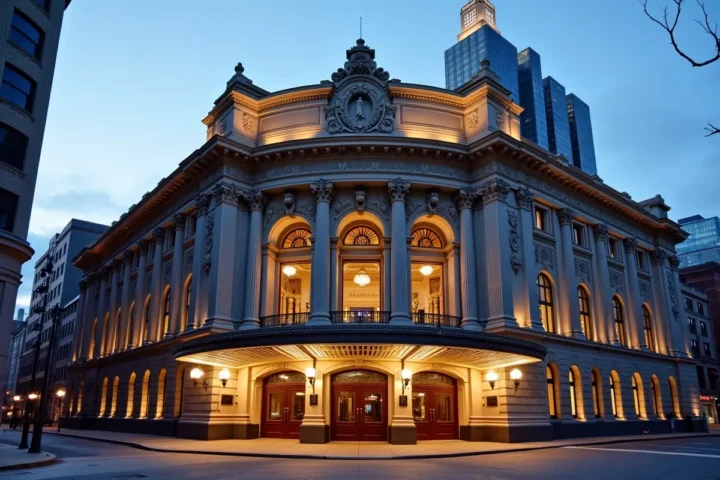
The transition from private court entertainment to public spectacles profoundly impacted the architecture and social function of opera houses. Early public houses, like the Teatro di San Carlo in Naples, which opened in 1737 and remains the world’s oldest working opera house, were designed to accommodate a diverse audience. They became vibrant social hubs where people not only enjoyed performances but also socialized, conducted business, and displayed their status. The tiered boxes, a hallmark of this era, allowed patrons to see and be seen, making the experience as much about community interaction as it was about the art on stage.
As the 18th and 19th centuries progressed, the rising influence of the bourgeois class further democratized opera. Public funding mechanisms began to supplement, and eventually, in many cases, replace the traditional patronage system. This shift spurred architectural evolution, moving away from purely courtly aesthetics towards designs that balanced grandeur with practicality for a larger, paying audience.
The American “Opera House”
In the United States, the term “opera house” took on a unique meaning, often encompassing a wider range of theatrical performances. In 19th-century America, many towns and cities, seeking to project an image of cultural respectability, christened their main performance venues “opera houses,” even if opera was seldom performed there. This was a strategic move to lend prestige and overcome moral objections often associated with “theaters” or “playhouses.”
These American “opera houses” were true community centers, hosting everything from touring opera companies and dramatic plays to vaudeville shows, political rallies, and town meetings. They were multi-purpose venues, vital to the social and cultural fabric of their communities.
As William Faricy Condee notes in his book, Coal and Culture: Opera Houses in Appalachia, the term “opera house” intentionally provided “a veneer of social and cultural respectability,” demonstrating the aspirational role these buildings played. This historical context reveals how the function and purpose of opera houses have continually adapted, reflecting broader societal changes while remaining central to cultural life.
The Anatomy of an Opera House: Architecture and Acoustics
The design of an opera house is a complex interplay of aesthetics, functionality, and, crucially, acoustics. These buildings are carefully crafted to create an immersive experience, where every note and every word resonates with clarity and power.
At the heart of an opera house’s architecture is the auditorium. Historically, many adopted a horseshoe shape, a design proven to optimize sightlines and sound distribution. Key architectural features include the proscenium arch, which frames the stage and creates a visual separation between the performers and the audience. Domed ceilings, often ornately decorated, are not just for beauty; they play a vital role in reflecting and diffusing sound throughout the space.
Beneath the stage and behind the scenes lies a labyrinth of sophisticated stage mechanics and backstage facilities. These areas house intricate fly systems for scenery changes, trap doors, elaborate lighting rigs, and dressing rooms, all essential for the seamless execution of complex productions. Grand staircases and foyers, like the one in the Palais Garnier, serve as majestic transitional spaces, enhancing the sense of occasion and allowing audiences to mingle before and during performances.
The Heart of the Sound: The Orchestra Pit
Perhaps no single element defines the unique acoustic environment of an opera house as much as the orchestra pit. This sunken area directly in front of the stage is where the orchestra performs, providing the musical foundation for the vocalists without visually obscuring the stage action. Its significance cannot be overstated; it is where the delicate balance between instrumental and vocal sound is achieved.
The design of the orchestra pit has evolved considerably. Early pits were often at audience level, but the desire for better sound integration and less visual distraction led to their gradual lowering. Richard Wagner, the German composer, took this concept to its extreme with the Bayreuth Festspielhaus, which features a completely covered, “mystic abyss” orchestra pit.
This design, pioneered by Wagner, allows the sound to blend and rise from an unseen source, creating a unique acoustic effect where the orchestra’s sound envelops the audience without overpowering the singers. The careful design of this space is critical for the overall acoustic performance of the venue, a topic extensively explored in works like Leo Beranek’s Concert Halls and Opera Houses: Music, Acoustics, and Architecture.
Designing for the Voice
Acoustic engineering is paramount in opera house design. Unlike concert halls, where the orchestra is the primary focus, opera houses must perfectly balance the unamplified human voice with a full orchestra. This requires meticulous material selection, with wood often favored for its warm, resonant properties in interiors. Surfaces are carefully shaped to ensure optimal sound reflection and diffusion, preventing echoes and dead spots.
The reverberation time – the time it takes for sound to decay in a space – is precisely calculated to improve the richness of the music and voices without blurring them. Modern technology now plays an increasingly vital role, with advanced computer modeling used during the design phase to predict and optimize acoustic performance. While technology assists, the fundamental principles of sound physics and the art of architectural acoustics remain central to creating spaces where the human voice can truly soar.
More Than a Venue: The Opera House as a Cultural Hub
Opera houses are far more than just stages for grand performances; they are vibrant cultural institutions that enrich their communities in myriad ways. While their name suggests a primary focus on opera, these versatile venues typically host a wide array of performances, reflecting the diverse artistic tastes of modern audiences.
We often find ballet, classical concerts, musicals, and contemporary dance productions gracing their stages. Many also serve as platforms for speaker series, film screenings, and even comedy shows, demonstrating their adaptability and commitment to broad cultural engagement.
Beyond ticketed events, opera houses frequently engage in extensive community outreach and educational programs. These initiatives might include workshops for aspiring young artists, school matinees, pre-performance talks, and accessible programs designed to introduce new audiences to the performing arts. For instance, the renowned Sydney Opera House, a global icon, offers a vast array of programming beyond traditional opera, including contemporary music, theatre, and family-friendly events, alongside extensive educational offerings.
A Stage for Every Story
The modern opera house accepts a philosophy of inclusivity, serving as a stage for every story imaginable. Many host diverse festivals that celebrate various art forms and cultural narratives. The Sydney Opera House, for example, is home to the “All About Women” festival, which explores themes of gender, justice, and equality, and “DanceRites,” a festival celebrating Aboriginal and Torres Strait Islander cultures through dance. These events highlight how opera houses evolve to reflect contemporary societal discussions and cultural diversity.
Furthermore, digital access has become a crucial component of their cultural mission. Many opera houses now offer streaming services, allowing audiences worldwide to experience performances, talks, and archival content from the comfort of their homes. This digital expansion broadens their reach, making the arts more accessible and breaking down geographical and financial barriers. This blend of traditional and modern programming ensures that opera houses remain relevant and engaging cultural centers for all.
Economic and Cultural Impact
The contribution of opera houses extends significantly into the economic and cultural landscape of their cities. As urban centerpieces, they often anchor cultural districts, drawing visitors and residents alike. They are powerful tourism drivers, attracting international and domestic travelers eager to experience world-class performances and architectural marvels like the Sydney Opera House, one of the world’s most recognisable landmarks.
Economically, opera houses create numerous jobs, from artistic and administrative staff to technical crews, ushers, and hospitality workers. They stimulate local businesses, including restaurants, hotels, and shops, benefiting the broader urban economy.
Culturally, they are custodians of artistic heritage, fostering creativity, and providing a platform for both established and emerging talent. They contribute significantly to a city’s cultural identity, enhancing its reputation and quality of life. By supporting the arts, these institutions play an indispensable role in shaping vibrant, dynamic communities.
Planning the Perfect Cultural Getaway: A Guide to Visiting the Detroit Opera House
Visiting an opera house is an experience that transcends a typical night out; it’s a cultural immersion. If you’re planning a cultural getaway, consider the vibrant performing arts scene in cities like Detroit. The Detroit Opera House, a magnificent venue, offers a rich calendar of events and stands as a testament to the city’s enduring cultural spirit. Planning your visit carefully can improve your overall experience, allowing you to fully appreciate both the performance and the surrounding urban environment.
Detroit’s theatre district is a hub of artistic activity, making it an ideal destination for cultural tourists. Before your visit, it’s wise to explore the local offerings and plan how you’ll steer the city to make the most of your time. From world-class museums to diverse culinary experiences, Detroit offers a compelling backdrop to your opera house visit.
From Tickets to Tours: The On-Site Experience
To secure your spot for an unforgettable performance, booking tickets in advance is highly recommended. Always purchase tickets from authorized sellers to avoid issues. Many opera houses, including the Detroit Opera House, offer season subscriptions, which can provide benefits like discounted rates and priority seating for regular patrons. Checking their official website will give you the most up-to-date information on upcoming events, performance dates, and ticket availability.
Beyond performances, many opera houses offer architectural tours or even backstage access, providing fascinating insights into their history, design, and daily operations. These tours can deepen your appreciation for the venue and the art it hosts. Don’t forget to check for accessibility information, including details on wheelchair access, hearing assistance, and other accommodations, to ensure a comfortable visit for all.
Finding Your Home Base: Detroit Opera House Accommodations
When planning your visit, finding suitable accommodations near the venue is key to a seamless experience. Whether you’re in town for a single performance or an extended cultural exploration, proximity to the Detroit Opera House offers convenience, allowing you to easily access the venue and enjoy the surrounding area without logistical stress.
While hotels are a common choice, many visitors, especially those planning longer stays or seeking a more home-like environment, opt for furnished rentals. Services offering Detroit Opera House accommodations provide a comfortable and flexible alternative to traditional hotels. These extended stay options often come with amenities that improve a cultural tourist’s experience, such as fully equipped kitchens, separate living areas, and a sense of local living. For those seeking a comfortable and convenient stay, exploring these options can significantly enrich your cultural getaway.
Exploring the Neighborhood Beyond Your Detroit Opera House Accommodations
The area surrounding the Detroit Opera House is rich with attractions, perfect for pre-show dining or post-show entertainment. Within walking distance or a short ride, you’ll find other iconic venues like the Fox Theatre, which is part of a vibrant collection of Detroit Theatres that contribute to the city’s dynamic arts scene. Sports enthusiasts might enjoy catching a game at Comerica Park, home to the Detroit Tigers.
The city boasts an impressive array of restaurants, from casual eateries to fine dining, catering to every palate. Consider making reservations for a delightful meal before the curtain rises. After the performance, explore Detroit’s burgeoning nightlife, or simply enjoy a leisurely stroll through the illuminated streets, reflecting on the magic you’ve just witnessed. Your Detroit Opera House visit can be the centerpiece of a broader exploration of this historically rich and culturally vibrant city.
Iconic Opera Houses Around the Globe
Around the world, certain opera houses stand out not only for their artistic programming but also for their breathtaking architecture and profound historical significance. These institutions are more than just buildings; they are cultural monuments that have shaped the history of performance art.
Here is a list of some of the world’s most renowned opera houses, each a masterpiece in its own right:
- Teatro alla Scala, Milan, Italy: Known simply as “La Scala,” it is one of the leading opera and ballet theatres in the world, renowned for its acoustics and premieres of many famous operas.
- Palais Garnier, Paris, France: An architectural marvel of the Belle Époque, famous for its opulent interior, grand staircase, and Chagall ceiling. It served as the inspiration for “The Phantom of the Opera.”
- Metropolitan Opera, New York, USA: Located at Lincoln Center, “The Met” is the largest classical music organization in North America, known for its grand productions and star-studded casts. It seats nearly 4,000 people.
- Wiener Staatsoper, Vienna, Austria: The Vienna State Opera is one of the busiest opera houses in the world, staging 350 performances of 60 different operas and ballets per season.
- Bolshoi Theatre, Moscow, Russia: A historic theatre that holds a significant place in Russian cultural history, famous for its ballet and opera companies.
- Royal Opera House, London, UK: Located in Covent Garden, it is home to The Royal Opera and The Royal Ballet, offering a diverse repertoire of classical and contemporary works.
- Sydney Opera House, Sydney, Australia: Instantly recognizable for its distinctive shell-like sails, it is a UNESCO World Heritage Site and one of the 20th century’s most famous and distinctive buildings. It has a capacity of 2,600 people.
- Festspielhaus Baden-Baden, Germany: With 2,500 seats, it is the largest opera house in Germany, known for its excellent acoustics and international festival programming.
- Oslo Opera House, Oslo, Norway: A modern architectural masterpiece that appears to rise from the waters of the Oslo Fjord, known for its accessible roof and innovative design.
- Teatro Colón, Buenos Aires, Argentina: Considered one of the top five opera houses in the world for its acoustics, it is a grand and beautiful venue.
These institutions not only host magnificent performances but also stand as architectural icons, drawing millions of visitors each year. They are living museums, continually evolving while preserving the rich traditions of opera and ballet.
Frequently Asked Questions about Visiting an Opera House
Visiting an opera house, especially for the first time, can bring up a few questions about etiquette and what to expect. We’ve compiled answers to some common queries to help you prepare for your cultural experience.
What is the typical dress code for an opera?
The dress code for an opera has evolved significantly over time. While historically, attending the opera was a highly formal affair requiring evening gowns and tuxedos, today’s expectations are much more relaxed. Most opera houses no longer enforce a strict dress code. We recommend opting for smart casual attire – think business casual or cocktail wear.
This could mean a nice dress or skirt and blouse for women, and trousers with a collared shirt or jacket for men. Comfort is key, but dressing up a little can add to the special occasion. Always check the specific venue’s website for any recommendations, as some gala nights might still encourage more formal wear.
Are operas always sung in a foreign language?
Not always, but traditionally, many operas are performed in their original language, which is often Italian, German, or French. However, modern opera houses are very audience-friendly. Almost all performances today provide surtitles or supertitles – electronic translations projected above the stage or on individual seat-back screens.
These allow you to follow the storyline and dialogue in your native language, enhancing your understanding and enjoyment of the performance. Some productions, particularly those aimed at younger audiences or specific educational programs, might also be performed in the local language.
How long does an opera performance usually last?
The duration of an opera performance can vary significantly depending on the specific work. Some shorter operas might run for just 90 minutes with no intermission, while grander, more complex works can last three to five hours, including one or two intermissions. Intermissions typically range from 15 to 30 minutes, offering a chance to stretch your legs, visit the restroom, or enjoy refreshments.
The program or the opera house’s website will usually provide an estimated running time, allowing you to plan your evening accordingly. We always recommend arriving a bit early to settle in and read through the program notes, which often contain valuable insights into the performance.