
How Efficient Air Conditioner Installation Can Save Energy and Money
Installing a new air conditioner isn’t just about escaping the heat; it’s about making a smart, long-lasting investment in your home. Proper installation of an energy-efficient system can significantly trim your energy bills and shrink your carbon footprint. Working with reliable, efficient AC installation services in Ontario can help ensure your system performs at its best for years to come.
Many homeowners are surprised to discover that up to 30% of an air conditioner’s efficiency can be lost simply due to improper installation. This means lost money, increased energy consumption, and a less comfortable home environment. By understanding each step in the process, from correct sizing to maintenance, you can protect your investment and enjoy lasting comfort.
The Importance of Proper Installation
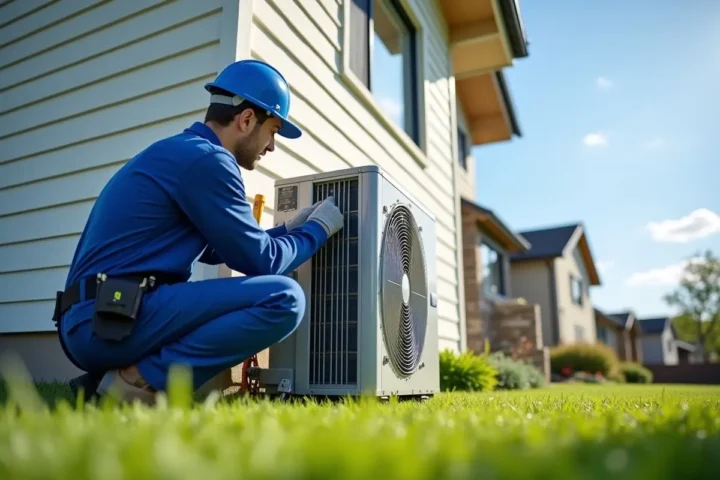
Even the most advanced energy-efficient air conditioners will underperform if poorly installed. According to the U.S. Department of Energy, issues like incorrect sizing, improper refrigerant levels, and leaky ductwork are common installation faults that sap efficiency and reliability. For optimal results, installation should focus on several critical areas:
- Correct Sizing: The AC unit must be matched to your home’s square footage and insulation. A unit that’s too small will run constantly, increasing wear and tear, while an oversized unit cycles on and off too often, which can lead to humidity problems.
- Refrigerant Charge: Adequate refrigerant is essential for strong cooling performance. Too little or too much refrigerant leads to inefficiency and potential compressor failure.
- Ductwork Integrity: Leaks in the duct system can waste over 20% of cooled air. Professionally sealed and insulated ducts preserve system efficiency and comfort.
- Thermostat Placement: For accurate temperature control, thermostats should be placed away from direct sunlight or drafts to ensure precise readings and efficient operation.
Ensuring these factors during installation not only boosts an AC’s efficiency but also prolongs its lifespan—ultimately saving homeowners on both utilities and repair costs.
Integrating Smart Thermostats for Additional Savings
Smart thermostats are revolutionizing the way we manage home comfort. When integrated with efficient air conditioning systems, these devices can further reduce energy consumption by 10–15%. Smart thermostats offer:
- Advanced scheduling and learning features that adjust to user habits.
- Remote control capabilities, so you can cool your home only when needed.
- Detailed energy usage reports to identify and eliminate wasteful routines.
Combining an efficient AC with a smart thermostat amplifies the cost and energy savings, while also making your home more responsive and comfortable.
Government Incentives and Tax Credits
Government incentives can greatly reduce the upfront cost of upgrading to an energy-efficient air conditioning system. The Inflation Reduction Act allows homeowners to claim a 30% tax credit, up to $600, on qualifying central air conditioners installed between 2023 and 2032. State and local rebate programs can make these high-performance systems even more affordable. Consult your installation provider or local authorities to learn which rebates are available in your region and how to claim them effectively.
Environmental Benefits
Beyond the financial rewards, efficient air conditioners make an important contribution to environmental protection. According to the U.S. Environmental Protection Agency, if every air conditioner in America were ENERGY STAR® certified, the country could reduce greenhouse gas emissions by over 12.5 billion pounds annually. This is equivalent to taking 1.2 million gasoline-powered cars off the road each year, a significant step toward a greener future. By opting for energy-efficient cooling, you’re directly supporting cleaner air and a healthier planet.
Choosing the Right Energy-Efficient Air Conditioner
Selecting the best air conditioner involves more than just picking a recognizable brand. Homeowners should consider the following:
- Look for the ENERGY STAR® label to ensure compliance with strict energy efficiency standards.
- Evaluate the Seasonal Energy Efficiency Ratio (SEER). The higher the SEER, the more efficient the system.
- Seek guidance from licensed HVAC professionals to match system size and features to your property’s unique needs.
Knowledgeable advice and a tailored approach ensure your new system will maximize both savings and comfort. For more on making your home more energy efficient year-round, visit the U.S. Department of Energy’s Energy Saver Guide.
Maintenance Tips for Sustained Efficiency
Regular maintenance is essential for keeping your air conditioner running at peak efficiency. Key actions include:
- Replace or clean air filters every 1–3 months to maintain airflow and indoor air quality.
- Clear away any debris, leaves, or obstructions from around the outdoor condenser unit.
- Schedule annual professional inspections to check refrigerant levels and mechanical components, catching minor issues before they become expensive problems.
Following these simple maintenance steps will protect your system’s efficiency and prolong its useful life, ensuring your energy and dollar savings continue year after year.
Conclusion
Installing an energy-efficient air conditioner is a home improvement project that pays dividends in more ways than one. With professional installation, the integration of smart technologies, access to government incentives, and regular upkeep, you can enjoy lower bills and greater comfort while also making a positive environmental impact. By choosing the right system and following best practices, Ontario homeowners can look forward to efficient cooling for years to come.