
Too Tired to Drive Where Can You Legally Pull Over and Sleep
You’re driving late at night when keeping your eyes open starts feeling like work. The obvious answer is to stop driving, but that creates another question pretty quickly. Can you simply pull over somewhere, recline the seat, and sleep until you’re alert enough to continue?
That’s where a smart safety decision can run into a surprisingly complicated set of rules. Not every parking space is available overnight, and being allowed to park somewhere doesn’t always mean you’re allowed to stay there for hours. The answer can change depending on exactly where you stop.
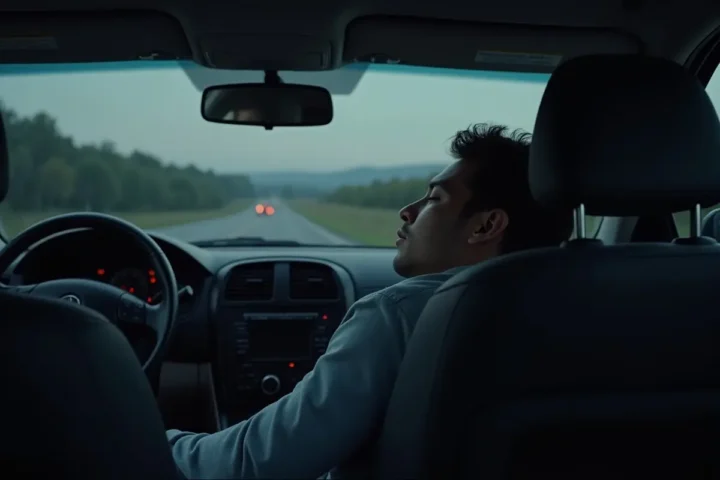
For anyone considering sleeping in your car in Pennsylvania, the location and circumstances matter. Pulling over because you’re exhausted may be far safer than pushing ahead, but it’s still important to choose a place where parking and remaining in the vehicle are permitted.
There’s More Than One Rule in Play
Pennsylvania doesn’t turn every situation involving a sleeping driver into one simple yes-or-no question. Whether there’s a problem can depend on where the vehicle is parked, how long it remains there, and what rules apply to that particular road, property, or parking area.
Local rules can matter too. A municipality may restrict overnight parking on certain streets or prohibit parking during particular hours. Other locations may have rules aimed at camping, loitering, or extended vehicle stays. A legal parking spot during the afternoon isn’t necessarily legal at three in the morning.
The surrounding circumstances can change things as well. A properly parked vehicle creates a different situation from one stopped on a shoulder where parking is prohibited or where it creates a traffic hazard. Before settling in, it helps to know what rules actually apply there.
The Parking Spot Changes the Answer
A quiet public street may look like an easy place to rest, but posted restrictions and local parking rules still apply. Overnight parking might be permitted on one street and restricted a few blocks away. Signs, meters, permit requirements, and temporary restrictions can all change what’s allowed.
Private property brings another issue: permission. A large parking lot may look empty and harmless at night, but the owner can set rules about who may park there and for how long. Businesses may also restrict overnight parking even when their lots remain physically accessible.
Rest areas and other designated stopping places can be more practical for tired travelers, but they can have their own time limits and rules. The key is not assuming that an open space automatically means an overnight invitation. Where the vehicle sits matters just as much as why it stopped.
Alcohol Can Change the Situation Quickly
Being too tired to drive and being impaired by alcohol are very different legal situations. If alcohol is involved, simply deciding to sleep in the vehicle doesn’t automatically eliminate potential DUI concerns. Pennsylvania law can look at more than whether a vehicle was moving when police arrived.
Details surrounding the vehicle and the person inside it may become important. Where the person is sitting, where the keys are located, whether the vehicle was recently driven, and other circumstances can potentially become relevant when authorities evaluate what happened.
That’s why using a vehicle as a place to sleep after drinking shouldn’t be treated as a guaranteed way to avoid legal trouble. The safest plan is to avoid driving after drinking in the first place and arrange transportation or lodging that doesn’t require taking control of a vehicle.
Find Somewhere Safe Before Exhaustion Takes Over
The best time to look for somewhere to rest is before staying awake becomes a battle. Once concentration is slipping, searching unfamiliar roads for the perfect parking spot becomes harder too. Recognizing fatigue early gives a driver more time to find a lawful and secure place.
Check signs before parking and pay attention to restrictions involving hours, permits, towing, or overnight stays. When using private property, don’t assume permission simply because other vehicles are parked there. If there’s uncertainty, checking the property’s rules or applicable local restrictions can prevent an unpleasant wake-up later.
Safety matters beyond legality as well. A dark shoulder or isolated roadside may be a poor choice even if stopping seems convenient. A well-lit, lawful location away from moving traffic can provide a much better place to rest before continuing the trip.
Conclusion
There comes a point when continuing to drive tired isn’t determination, it’s a safety risk. Fatigue can interfere with attention and reaction time, and forcing yourself to keep going can put everyone on the road in danger. Finding somewhere appropriate to stop may be the responsible choice.
The catch is that not every convenient-looking spot is available for an extended stay. Public streets can have local restrictions, private lots have property rules, and designated stopping areas may impose limits of their own. Alcohol can create an entirely separate set of legal concerns.
So the decision has two parts. First, recognize when you’re no longer in good shape to keep driving. Then find a lawful, secure place where stopping is actually permitted. A little attention to the location can make getting needed rest both safer and less complicated.