
How to Optimize Your HVAC System for Every Season
Maintaining your home’s comfort throughout the changing seasons calls for more than just setting your thermostat and forgetting about it. Instead, strategic HVAC care and upgrades can make a substantial difference, leading to lower energy bills and better temperature control. Homeowners seeking top-notch climate control solutions can benefit from professional guidance on MLD Leander HVAC installation to ensure their systems are ready for the demands of each season.
Whether preparing for summer heat or winter chill, efficient heating and cooling keep your household happy and healthy. Leveraging seasonal tips and modern innovations like smart thermostats can help you maintain a comfortable, cost-effective home throughout the year while also extending the lifespan of your HVAC system.
Routine maintenance, such as filter changes and system inspections, prevents minor problems from escalating into costly repairs. Incorporating proactive adjustments not only conserves energy but also means your system operates at peak performance when you need it most.
To stay informed about best practices and energy-saving opportunities, referencing reliable sources such as the U.S. Department of Energy can be helpful for homeowners looking to make data-driven decisions regarding their heating and cooling systems.
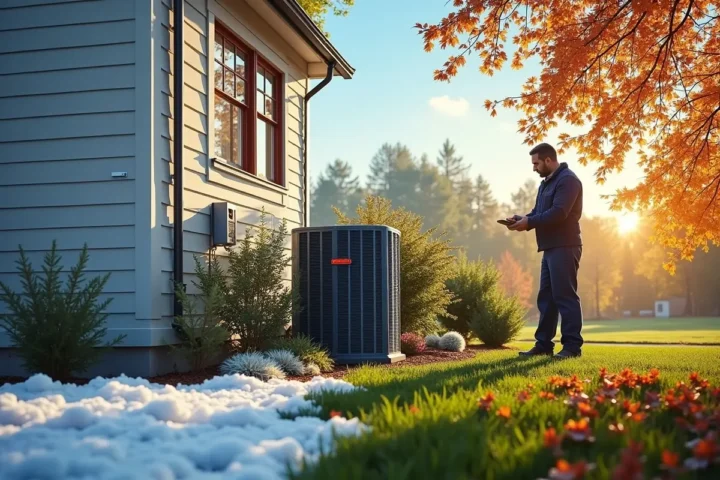
Spring: Preparing for Warmer Days
With spring’s arrival, outdoor temperatures start to climb and your AC system prepares for months of heavy use. Begin the season by replacing old air filters to ensure optimal airflow and efficiency. Checking around your outdoor unit for leaves, branches, or dirt can help keep the system unobstructed and working smoothly. It is also wise to have a professional inspection performed before the heat sets in, as this can catch small issues before they lead to breakdowns during peak cooling season.
Beyond filter changes, it’s helpful to examine your ductwork for any leaks or blockages that may have developed over the winter. Even small gaps or dust buildup can diminish efficiency and lead to uneven cooling. Spring is also the perfect time to test your thermostat and automatic scheduling functions, adjusting as necessary for changing routines as the weather shifts. By being proactive in the spring, you’re not only safeguarding comfort but also helping your system consume less energy once temperatures soar.
Summer: Maximizing Cooling Efficiency
When the hottest months hit, your air conditioner will be working extra hard. Maximizing its cooling power without skyrocketing energy bills is possible with a few adjustments:
- Set Thermostat Wisely: Keeping your thermostat at around 78°F when you’re home strikes a balance between comfort and energy savings.
- Utilize Ceiling Fans: Fans can circulate cool air and allow for slightly higher thermostat settings, which saves energy but maintains comfort.
- Seal Leaks: Inspect doors and windows for crevices where cool air could escape, and seal as necessary to reduce workload on your AC.
These straightforward steps can improve your cooling efficiency and help you avoid spikes in your monthly energy bills. For further guidance, Consumer Reports offers additional tips on reducing air conditioning costs.
Another way to boost cooling performance during summer is by shading your windows and minimizing direct sunlight. Window coverings, blinds, or UV-reflective films can significantly reduce indoor heat gain, lowering the strain on your HVAC system. Don’t overlook simple habits like closing doors to unused rooms, which channels cooled air only where it’s needed, resulting in less overall energy use. If you experience persistent hot spots or rising bills, consult a professional to assess your insulation and attic ventilation, as these often-overlooked aspects play a large role in seasonal comfort and efficiency.
Fall: Transitioning to Heating Mode
As fall brings cooler nights, it’s time to get your heating system ready. Begin by replacing or cleaning the system’s filters, which helps it operate more efficiently and improves indoor air quality. Checking for system malfunctions and arranging for a professional tune-up will ensure your heat source is dependable as winter approaches. Proactive preparation lowers the risk of unexpected problems and guarantees your family stays comfortable through the season.
Fall is also a smart opportunity to review your safety devices, such as smoke and carbon monoxide detectors, especially if you use gas heating. Test batteries and ensure every device is functional. Also, take a moment to assess your home’s weatherstripping and caulking; effective sealing prevents drafts, keeps heat inside, and reduces the demand on your furnace or heat pump.
Winter: Ensuring Warmth and Efficiency
Heating your home efficiently throughout winter means finding ways to stay warm without excessive energy usage.
- Set Thermostat Lower at Night: Dropping the temperature a few degrees while you sleep conserves energy without sacrificing comfort.
- Use Sunlight: Opening curtains during daylight hours lets natural warmth in, while closing them at night keeps the heat inside.
- Inspect Insulation: Ensuring proper insulation in your attic and walls prevents heat from escaping and makes a visible difference in energy savings.
Simple steps like these can translate to a cozier home and less strain on your heating system, potentially lowering repair risks and utility costs.
During extreme cold, make sure vents and radiators are not blocked by furniture or drapes to guarantee warm air can move freely. It’s also smart to occasionally check that outside exhaust vents aren’t obstructed by snow or ice. If you notice your system struggling, frozen pipes, or unusual noises, act promptly to resolve the issue—quick intervention helps prevent more costly repairs later.
Year-Round: Embracing Smart Technology
Modernizing your HVAC system with smart thermostats and automation can make a major impact on your household’s energy efficiency. Devices such as the Lennox S40 Smart Thermostat grant precise control, learn your routine, and generate energy usage reports that highlight further optimization opportunities. These features are especially beneficial for families with fluctuating schedules, providing automatic adjustments that balance comfort and cost.
More advanced home automation systems can integrate your HVAC with lighting, security, and environmental sensors. This integration creates an adaptive environment that enhances comfort and maximizes savings. If you travel often or own a vacation property, remote access means you can monitor and adjust temperatures anytime, anywhere, providing peace of mind and security along with efficiency.
Considering System Upgrades
If your current HVAC system is more than 10 years old, it may be time to consider an upgrade. Newer models, such as the Lennox SL28XCV air conditioner, deliver much higher SEER ratings and advanced features that older systems lack. Investing in a high-efficiency unit leads to lower utility bills, improved comfort, and often quieter operation, making it a sound investment for most homeowners.
When shopping for a new system, look for ENERGY STAR® certification to ensure your investment meets or exceeds energy efficiency standards. Discuss your household’s specific needs with a professional who can recommend equipment sized and configured to best serve your home. The right installation and regular professional checkups are essential for realizing each benefit a modern HVAC system can deliver.
Additional Tips for Energy Savings and Comfort
To maximize the return on your HVAC investment and retain ultimate comfort, consider the impact of habit changes and additional system optimizations. For example, maintaining a consistent cleaning schedule for vents, registers, and return grilles can further reduce airborne particles and maintain steady airflow, improving both system efficiency and the air quality within your home. Adding programmable zoning solutions, where possible, segments your home into different climate areas, so you only need to heat or cool occupied rooms, cutting down on unnecessary energy use and costs.
Attending to other aspects of home performance can further amplify your HVAC’s effectiveness. Upgrading to energy-efficient windows and doors not only minimizes heat exchange between indoors and outdoors but also reduces the load on your heating and cooling systems. Consider installing attic fans or whole-house ventilation systems to regulate temperature throughout all areas, especially if your home tends to trap excess heat or suffers from poor air circulation. These relatively small improvements combine with HVAC upgrades to create a more resilient, energy-conscious home.
Regularly reviewing seasonal energy usage reports, if your smart thermostat or utility provider offers them, can unlock patterns that reveal where further adjustments can be made. For instance, you may notice higher-than-average winter usage due to heat loss in an under-insulated room or increased summer costs related to direct sun exposure in certain windows. Addressing these insights with weatherization improvements or shifting schedules for major energy-using appliances can provide compounding savings year after year.
Don’t underestimate the value of homeowner education; take the time to teach all household members about best practices for thermostat adjustment, efficient use of blinds and curtains, and the importance of not blocking vents or registers. These everyday actions support system longevity and reinforce your investment in both comfort and cost control. Seasonal walkthroughs and checklists can help everyone stay engaged in home care routines, allowing small problems to be spotted and fixed before they escalate.
Conclusion
Optimizing your HVAC system for every season comes down to regular upkeep, mindful seasonal adjustments, and using the latest smart technology. Proactive care ensures reliable operation, lower running costs, and more comfortable living in any weather. Consider consulting a trusted professional for personalized advice and expert MLD Leander HVAC installation to unlock your home’s full comfort potential.