
Your Ultimate Guide to a Memorable and Responsible Safari
Embarking on a safari is a thrilling adventure that combines the awe of wildlife encounters with the serenity of nature’s most untouched landscapes. For those seeking a blend of luxury and authenticity, consider Queen’s luxury African safaris for a tailored and seamless experience. Whether you are a first-timer or a seasoned explorer, there are crucial factors to keep in mind to maximize both enjoyment and safety.
Planning your safari requires attention to detail, from selecting your destination to understanding the best travel times and the importance of ethical choices. Thoughtfully preparing for your journey not only ensures comfort but also helps preserve wildlife and habitats.
Selecting the Ideal Destination
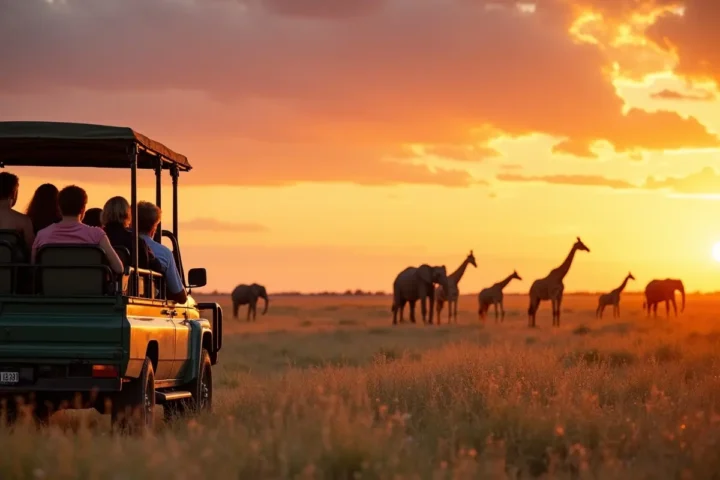
From Kenya’s renowned Masai Mara to Botswana’s elephant-rich Chobe National Park, Africa’s safari destinations each offer unforgettable wildlife moments. Your choice should reflect your personal interests, whether that means witnessing the Great Migration or admiring primates in Uganda’s Bwindi Impenetrable Forest. Researching parks, local conditions, and highlights helps you narrow down what you want out of your safari experience.
Each destination provides its own sense of magic and adventure, along with a distinctive array of wildlife and landscapes that create a once-in-a-lifetime journey. Some travelers may be drawn to the sprawling plains of Tanzania’s Serengeti, renowned for vast herds and dramatic predator action. In contrast, others are lured by the remote wilderness of Namibia’s Etosha National Park or the lush wetlands of the Okavango Delta.
Considering different countries, ecozones, and regional specialties enhances your ability to craft a journey that resonates deeply with your unique vision for a safari. Consulting travel professionals can help match your preferences with the right geographic and ecological settings, leading to a more rewarding trip.
Timing Your Safari
When you visit, it matters as much as where you go. The dry season, spanning June through October, is generally preferred since animals gather near limited water sources, providing spectacular viewing opportunities. Conversely, the rainy season brings blooming scenery, migratory birds, and fewer crowds. Each period offers unique advantages, so determine your priorities before setting your travel dates. For more on seasonal wildlife and park access, the National Geographic safari tips page is a helpful resource.
The timing of your safari not only affects the wildlife you encounter but also the ecosystems you encounter and the overall travel experience. Shoulder seasons, which fall between peak dry and wet periods, often provide an ideal mix of moderate prices, manageable visitor numbers, and dynamic animal behavior.
Sunrise and sunset game drives can dramatically increase your chances of seeing coveted species, such as elusive predators or nocturnal animals emerging from their daytime shelters. Factoring in local festivals or cultural events that may coincide with your visit can also add a layer of enrichment and authenticity to your journey.
Packing Essentials
Packing for a safari is about both utility and comfort. Use neutral-toned clothing that blends into the natural environment and reduces insect attraction. Essential items to bring include:
- Breathable, long-sleeved shirts and pants for sun and insect protection
- Sturdy, closed-toe shoes suitable for rugged terrain
- A broad-brimmed hat and UV-protective sunglasses
- High-quality sunscreen and insect repellent
- Optics gear like binoculars, and a good camera with extra storage and batteries
Be prepared for cool mornings and hot afternoons by dressing in layers. Don’t overlook practical items like a reusable water bottle and basic first-aid supplies.
In addition, consider packing a lightweight daypack for excursions, a power bank for charging electronic devices, and a waterproof bag to protect valuables during sudden rain showers. Including a field guide can help you identify animal tracks, bird species, and plants, deepening your appreciation for every aspect of the landscape.
Make a checklist before you leave to ensure nothing essential is forgotten, as many remote safari lodges are far from commercial centers. Taking time to research the specific climate and environmental conditions of your chosen park will inform your final packing decisions, helping you skip unnecessary items and bring those that matter most.
Respecting Wildlife
The primary rule of responsible safari travel is to respect the wildlife you are there to see. Keep a safe distance from animals and never make loud noises, attempt to feed them, or interfere with their natural behaviors. Adhering to your guide’s instructions is essential, as is observing all park or reserve regulations. Your safety and the animals’ well-being depend on these respectful practices.
Remember that safaris bring you into some of the most pristine and vulnerable ecosystems on Earth, so your behavior can have a direct impact. Even well-intentioned actions, such as speaking loudly or using flash photography, can distress animals and disrupt their routines.
Responsible travelers limit their footprint by disturbing wildlife as little as possible, leaving no litter, and refraining from collecting natural souvenirs such as plants or feathers. A safari is not just wildlife viewing; it is participation in an interconnected system where every action matters.
Health and Safety Precautions
Consult a healthcare professional well before your departure to discuss vaccines and medications appropriate for your destination. Malaria is a risk in many African safari regions, so ask about prophylaxis and mosquito precaution strategies. Comprehensive travel insurance that includes emergency medical care is strongly recommended. For up-to-date global health information and travel advisories, visit the Centers for Disease Control and Prevention (CDC) Traveler’s Health portal.
Ethical Considerations
Being a conscientious traveler means selecting safari operators that support conservation, empower local communities, and minimize environmental impact. Look for companies that have certifications or affiliations with recognized conservation bodies and are transparent in their operating practices. Supporting such operations helps protect wildlife and ensures that future generations can enjoy these experiences. For additional guidance, you can reference guides from the World Wildlife Fund’s safari guide.
Embracing the Experience
While it is tempting to chronicle every moment through your camera lens, take intentional pauses to soak in the atmosphere and truly appreciate your surroundings. Listen to the distant calls of the wild, savor the sunrise over the savannah, and experience the astonishing beauty firsthand. Balancing photography with mindfulness will leave you with lasting memories that photos alone cannot capture.
Staying Flexible
Nature operates on its own schedule, and wildlife sightings can be unpredictable. By keeping your itinerary flexible, you will be better positioned to embrace surprises and make the most of unique opportunities during your safari. Patience and adaptability ensure a richer, more enjoyable journey.
Approaching your safari adventure with preparation and mindfulness helps you make the most of your time in the wild. Incorporate these essential tips to enjoy a memorable, responsible, and awe-inspiring expedition into Africa’s heart.
Deepening Your Knowledge and Appreciation
Before you depart, take time to learn about the region’s flora, fauna, and cultures. Reading books or watching documentaries about African wildlife, tribal traditions, and park histories can enhance your overall experience by providing context for what you observe and encounter.
Many safari lodges and camps offer evening talks, guided bush walks, or educational sessions with conservationists and ecologists. Participating in these activities not only widens your perspective but also creates opportunities to engage with those working passionately to protect Africa’s natural heritage.
During your safari, don’t hesitate to ask your guides questions; most guides are highly skilled professionals with deep-rooted knowledge of the local terrain and its inhabitants. Their stories about animal behavior, ecological systems, and even the challenges facing wildlife help transform your adventure from a mere sightseeing tour into a meaningful learning journey. Engaging with local communities, whether through village visits or cultural exchanges, can offer additional insights and foster mutual respect.
Sustainable Travel and Eco-Lodging
Opting for lodging that embraces eco-friendly practices is a crucial aspect of responsible travel. Many luxury safari camps go beyond just minimal environmental impact; they actively support anti-poaching initiatives, engage in habitat restoration, and ensure their operations benefit local people through fair employment and community projects. When booking, inquire about a safari lodge’s or tour operator’s sustainability credentials. Look for operations that minimize plastic use, rely on renewable energy, and support local suppliers.
Your conscious choices can make a significant difference: travelers who select eco-friendly accommodations and operators send a clear message that sustainability matters. This, in turn, encourages the safari industry to keep raising standards for nature conservation and positive community engagement.
Capturing Memories Responsibly
While wildlife photography is a major highlight for many safari adventurers, always prioritize ethical practices. Use zoom lenses instead of seeking close encounters, never provoke animal responses for a better shot, and heed all guidelines regarding flash, especially for nocturnal species. Take time between photos to watch and be present; some moments are best experienced without a lens between you and them.
Beyond the Safari Vehicle
Consider adding unique perspectives to your itinerary, such as guided walking safaris, dawn hot-air balloon rides, or canoe trips along riverbanks. These activities allow you to experience the ecosystem at ground level or from above, revealing the intricate details of life in the African wild that might pass unnoticed during a traditional game drive.
Each mode of exploration offers its own thrills and insights, from tracking animal footprints in the dust to gliding quietly past hippos and birds in a mokoro canoe. Embracing diversity in your safari adventures offers a richer, more comprehensive connection to the land.