
How to Tell If Your Child’s Anxiety Is More Than a Phase
All children feel anxious sometimes. A new classroom, a test, a sleepover, a conflict with a friend, or a change at home can bring up worry, nervousness, or clinginess. In many cases, these feelings pass with reassurance, routine, and time.
But sometimes anxiety does not simply fade. It begins to shape how a child moves through the day. A child may avoid situations they used to manage, need constant reassurance, complain of stomachaches before school, become tearful at bedtime, or seem unusually irritable over small things. For parents, it can be difficult to know whether this is a normal developmental stage or a sign that your child may need more support.
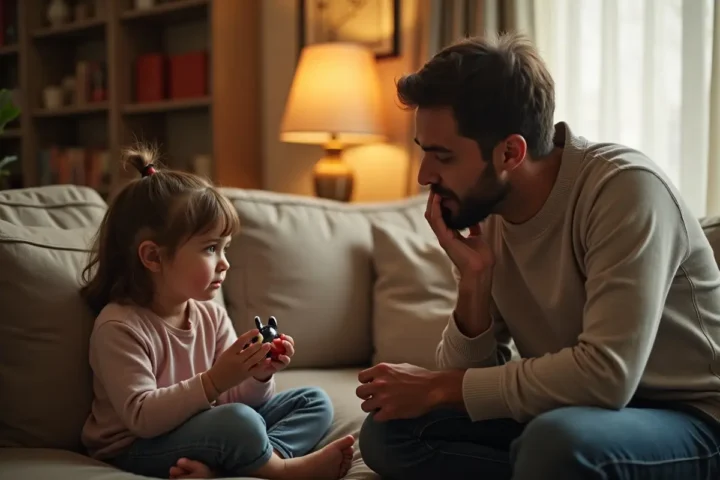
A helpful question is not simply, “Is my child anxious?” Most children are anxious at times. The more important question is, “How much is anxiety affecting my child’s life?”
When Anxiety Starts to Interfere
Anxiety becomes more concerning when it begins to interfere with daily functioning. This can show up in school, friendships, sleep, family routines, or a child’s ability to try new things.
For some children, anxiety looks obvious. They may say they are scared, ask repeated “what if” questions, or avoid situations that make them nervous. For others, anxiety is harder to recognize. It may appear as anger, frustration, perfectionism, physical complaints, or resistance.
A child who refuses to go to school may not be trying to be difficult. A child who melts down before a birthday party may not be dramatic. A child who asks the same question over and over may not be ignoring your reassurance. These behaviours can be signs that their nervous system is overwhelmed and looking for a sense of safety.
Signs Your Child’s Anxiety May Need Support
Anxiety may be more than a passing phase when it is persistent, intense, or limiting your child’s life. You may notice that your child avoids school, activities, social situations, or separations that other children their age are managing. They may have frequent stomachaches, headaches, trouble sleeping, nightmares, or difficulty relaxing.
Some children become clingier. Others become more irritable or controlling. They may need things done in a very specific way or become upset when plans change. They may ask for constant reassurance but still seem unable to feel reassured.
Parents often notice that the family starts organizing itself around the anxiety. You may avoid certain places, adjust routines, answer repeated questions, or step in to prevent distress. This is understandable. Parents naturally want to reduce their child’s suffering. But over time, anxiety can become stronger when a child learns that avoidance is the only way to feel safe.
Why Reassurance Does Not Always Work
Many parents feel confused when reassurance does not help. You may say, “You’ll be okay,” “There’s nothing to worry about,” or “You did this before and it was fine.” While these responses come from care, an anxious child may not be able to absorb them in the moment.
Anxiety is not only a thought process. It is also a body response. When a child feels anxious, their body may act as if there is danger, even when the situation is safe. Their heart may race, their stomach may hurt, or their thoughts may move quickly. In that state, logic alone often is not enough.
Therapy can help children understand what anxiety feels like in the body, name what is happening, and build tools to respond differently over time.
When to Consider Child Therapy
You may want to consider child therapy if anxiety is affecting school attendance, sleep, friendships, family life, or your child’s confidence. Therapy may also be helpful if anxiety has been present for several weeks or months, seems to be increasing, or is causing significant distress for your child or family.
Child therapy does not mean something is wrong with your child. It means your child may need support learning how to understand and manage feelings that have become too big to handle alone.
In therapy, children can begin to express worries in a developmentally appropriate way. Depending on the child’s age and needs, this may include play, drawing, storytelling, mindfulness, emotional regulation tools, or gradual skill-building. Parents are often included in the process so they can better understand what their child is experiencing and how to respond at home.
For those in Victoria, BC, Steady Heart Counselling offers the opportunity to work with an experienced therapist who specializes in supporting children dealing with anxiety and depression.
Moving From Fear to Support
Anxiety can become more manageable when children feel understood rather than pressured, supported rather than judged, and gently guided rather than pushed too quickly.
If your child’s anxiety is affecting daily life, it may be more than a phase. With the right support, children can learn to recognize anxiety, build coping skills, and regain confidence in themselves and their world.