Beyond the Tractor: Why Multi-Purpose Vehicles Are Essential for Modern Land Management
For tasks like these, the vehicle needs to be small, nimble, and efficient. It doesn’t need to handle a big implement or pull tons of produce. It’s your go-to workhorse for hundreds of small jobs that keep the place ticking.
And because the tractor is expensive to run and tires out your skilled operators, the work vehicle can mean the tractor is laser-focused on what it does best.
The mobilization problem
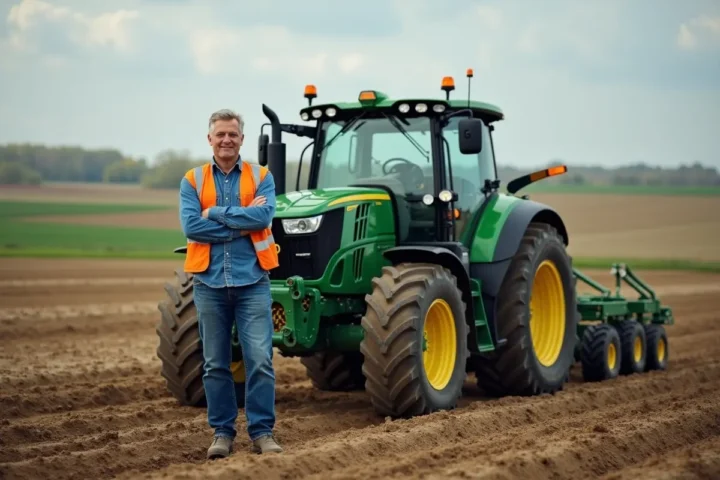
It takes time to use tractors. Attaching, engine starter and warming up, leaving a shed with a 10m turning radius – you’re quickly pushing 10 minutes and more, three or four times within a day. A side by side UTV parks, starts and is on the move in less than 60 seconds. For a lot of the “just check that…” or “take a quick look over…” type jobs, be it at water troughs, fences following a storm, or a quick response to a livestock issue, that type of deficit is massive before 7am.
But this doesn’t take away from what a tractor does. It’s about not using a tractor for jobs it was never designed to do efficiently. The two machines could not serve more different operational windows, try and make them competitors based on their features and you’ve probably missed the point entirely.
The cargo bed changes the math
An average ATV can transport you from one point to another. However, when you have to work, a utility task vehicle (UTV) will take you there while carrying 400kg of equipment in the cargo bed, with a passenger sitting next to, and a sprayer or post-hole tool attached. That’s how much of a difference it makes having a cargo bed – it transforms a transportation vehicle into a fully equipped mobile workspace.
Fencing is a perfect example. You can load star pickets, wire, tools, and even a crew into the vehicle and then work on a boundary for the day without the need to return to the shed. No trailer, no secondary vehicle. The fewer trips and handoffs you have to make, the more time you save for actual work.
When making a decision, the best approach is to compare models by their actual factory-rated payload and smallest turning circle specifications with your expected loads and working environment. If you are carrying water tanks or trailers over rough surfaces, towing limits are just as important as engine power. Browsing a utv side by side for sale listing with those specs in front of you helps cut through the noise quickly.
Soil health and ground pressure
One advantage of modern UTVs that many people may not notice or think about is related to the impact these vehicles have on the ground. Heavy machinery causes compaction. When a several-ton tractor goes over the same lines of a pasture again and again, particularly when the ground is wet, it presses the soil together and forms ruts that negatively impact drainage and the ability of grass to return for multiple growing seasons.
UTVs put their weight over four points of contact and have a much lower overall ground pressure. And when outfitted with treads created to minimize impact on turf, they can go over those same tracks day after day and not have it add up to damage. If you’re in the business of raising livestock on sensitive grazing land or are responsible for maintaining a football field, this isn’t a small thing.
Features that make the workday shorter
The technology in modern work UTVs is far more advanced than basic transportation. When you’re pushing through scrub or crawling along fence lines for hours on end, Electronic Power Steering means you aren’t putting in any more physical effort than necessary. Differential lock allows you to power through bits of mud and up steep inclines that would stop a two-wheel-drive alternative in its tracks.
Articulated independent suspension ensures all four wheels are still in contact with the ground on uneven terrain, which becomes essential when the bed is weighted down with supplies. Plus, it protects the operator from a seriously rough ride – the sort that badly jars the heavy musculature of your backside and lower back leaving you aching and exhausted long before close of business. ROPS certification will be on any proper work vehicle now, and there’s no harm in making sure it’s there before you buy – it’s the principal structural safety standard in a rollover, not a box-ticking exercise.
Cost and operational fit
For about 80% of daily land management tasks, a UTV will cost you a fraction of diesel tractor fuel to cover the same ground. Maintenance intervals are fewer, parts are less expensive, and, in most places, the guy with a regular driver’s license can operate the thing with no extra certification. The global UTV market is expected to increase significantly in the next decade, largely because the agricultural and forestry sectors are expected to value fuel efficiency more than raw tonnage in heavy machinery. Land managers have already started to make that discovery.
The most efficient operations aren’t replacing a tractor with a UTV. They’re using the tractor to do what a tractor does best, and the UTV does the rest. Bolt on a winch, a sprayer mount, or a rear blade, and the UTV works its way up the utility scale without the manager another handful of machines into the mix.