How to Choose the Best Frameless Shower Screen?
The frameless shower screens instantly upgrade a bathroom, making it look larger, lighter, and more luxurious. Clear glass and minimal hardware showcase your tiles instead of hiding them behind bulky frames.
To get a result that feels high-end and works well every day, you must pay attention to the right details. Size, layout, glass thickness, hardware quality, and door style all affect safety, comfort, and appearance.
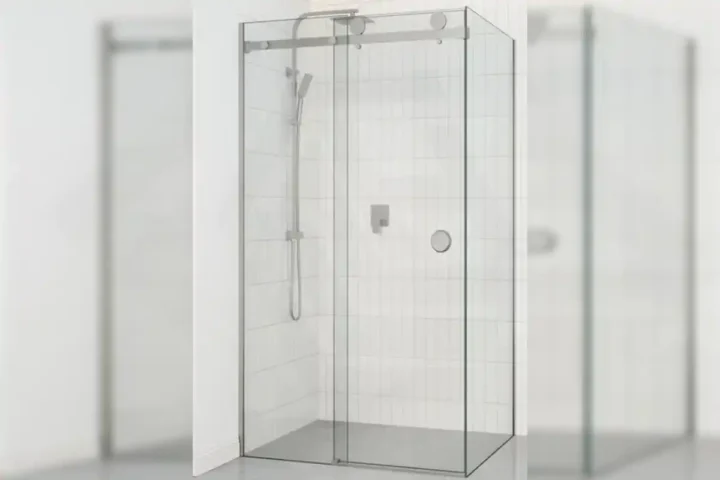
Premium options, such as an L-shape frameless shower screen with a 10mm toughened glass hinge door and fixed panel, offer superior strength and a wide, elegant entry. This guide explains what to look for so you can choose a frameless shower screen that fits your bathroom and lifestyle.
What Should You Consider When Choosing a Frameless Screen?
Measuring Space and Planning Shower Layout
Start by measuring your shower area accurately. Use a tape measure to record the width, depth, and height of the space, and note any variations in wall straightness or floor level. Check where existing plumbing, windows, and doors sit, because they will affect your shower layout and door swing.
An L-shape frameless shower enclosure suits corners and creates a spacious, open feel in compact rooms. Plan the entry point so the door opens to a clear area, not towards a toilet or vanity.
Ensure enough room for a dual-action hinged door to move both inward and outward if you choose that style. Careful planning prevents water splashes, improves access, and helps your installer fit the glass securely.
Choosing the Right Glass Thickness and Type
Glass thickness directly affects the safety, stability, and feel of a frameless shower screen. Many premium frameless designs use 10mm toughened safety glass, which offers superior strength, weight, and a solid, high-end feel.
Toughened glass goes through a special heat process so it resists impact and, if it breaks, shatters into small, less harmful pieces. Clear glass maintains an open, light-filled look and shows off your tiles, while frosted or patterned glass adds privacy but can make the space feel smaller.
For a luxury appearance, look for low-iron glass that removes green tints and delivers clearer views. Always confirm that the glass meets local safety standards and pairs well with the hardware’s weight-bearing capacity.
Understanding Door Styles and Opening Options
Door style has a big impact on daily comfort and how your bathroom works. Hinged doors suit frameless screens well, especially when paired with a solid forged brass hinge system that supports heavier 10mm glass panels.
A dual-action hinged door that opens both inward and outward gives excellent access and makes cleaning easier. Sliding doors save space in tight bathrooms but may use more hardware and tracks, which can disrupt a minimalist look.
Pivot doors work well in narrow openings but usually only swing one way. For corner layouts, a frameless L-shape hinged shower enclosure creates a wide, elegant entry, while the fixed panel controls splashes and defines the wet area.
Key Features to Look for in Frameless Shower Screens
Safety Glass, Durability, and Structural Support
Safety should sit at the top of your checklist. Choose toughened safety glass, ideally 10mm thick, for robust strength and a solid feel. This thickness resists movement and flexing, especially on larger panels.
Check how the screen mounts to the wall and floor. Quality systems use sturdy brackets and channels to support the glass weight. A precision hinged door system, constructed from solid forged brass, provides high weight-bearing capacity and long-term durability. It also keeps the door aligned and reduces sagging over time.
Ask your supplier about compliance with local building codes and safety standards. A well-designed L-shape frameless hinged enclosure should balance the load between the fixed panel, hinges, and wall fixings for reliable performance.
Hardware Finishes and Minimalist Design Elements
Hardware sets the tone of your frameless shower screen. Minimalist fittings keep the focus on your tiles and create a seamless, open look. Frameless designs often use slim brackets, discreet hinges, and neat handles that reduce visual clutter.
Premium heavy-duty hinges in solid forged brass not only support 10mm glass but also add a refined feel. Choose finishes that match the rest of your bathroom, such as chrome, brushed nickel, matte black, or brass.
Consistent colours across taps, towel rails, and shower hardware tie the space together. For a sleek result, look for hardware that sits flush, with concealed fixings where possible. This approach keeps lines clean, enhances luxury, and makes the shower feel like part of a cohesive design.
Easy Maintenance and Water Resistance Features
A frameless shower screen should look good and stay easy to clean. Fewer frames mean fewer spots for soap scum and mould to gather. Choose glass with an easy-clean or nano-coating if possible, as it helps water bead off the surface and reduces streaks.
Well-designed L-shape frameless enclosures use tight seals along the door edges and at the floor to limit leaks. A precise hinged door system helps the door close firmly against seals, guiding water back into the shower area.
Opt for hardware with corrosion-resistant finishes, especially in coastal or humid regions. Smooth surfaces, minimal channels, and well-placed seals mean less scrubbing and better water control, keeping your bathroom fresher with less effort.
How to Choose the Right Frameless Screen for Your Bathroom?
Matching Screen Style with Bathroom Design
The best frameless shower screen will complement your bathroom’s overall style. For modern spaces, clear 10mm glass with minimalist hardware in matte black or brushed nickel highlights clean lines and open space. If you have a luxury spa look, an L-shape frameless hinged enclosure with a wide entry showcases feature tiles and stone slabs.
Classic bathrooms may benefit from warm metal finishes such as brushed brass, paired with simple, elegant handles. Check how the screen’s height aligns with your tiles and ceiling to create balanced proportions.
Keep hardware finishes consistent with taps and accessories so the shower feels integrated, not added on. This attention to style ensures your screen enhances, rather than fights, your existing design.
Balancing Budget, Quality, and Functionality
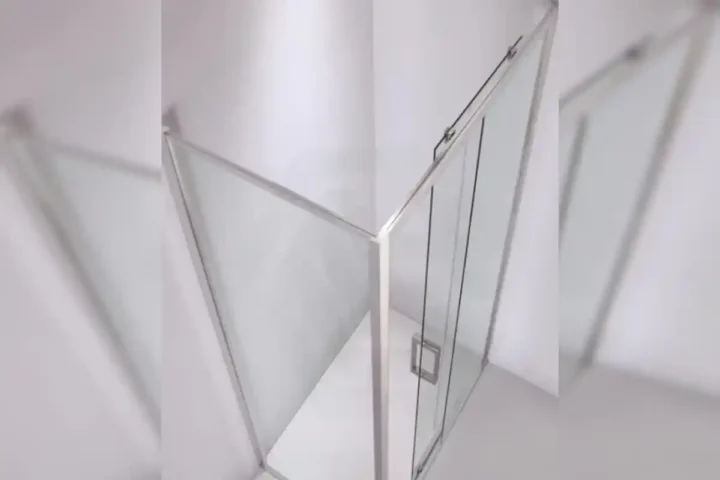
Budget plays a role, but cutting corners on glass and hardware can lead to problems later. Decide what matters most: safety, longevity, and ease of use should sit above purely cosmetic extras. A frameless L-shape hinged shower enclosure with 10mm toughened glass and a solid forged brass hinge system may cost more upfront, but it delivers better durability and a premium feel.
Compare warranties, hardware materials, and glass specifications, not just price. Consider installation costs as well; a professional fitter can ensure correct alignment and sealing, which protects your investment. Aim for the best quality you can afford while choosing a design that fits your space and daily routine.
Conclusion
Choosing the best frameless shower screen means balancing style, safety, and practicality. Accurate measurements, a thoughtful layout, and the right door style ensure the screen fits your bathroom and lifestyle. Premium features, such as 10mm toughened glass, a precision hinged door system, and solid forged brass hardware, deliver strength and a luxurious feel.
An L-shape frameless hinged enclosure works especially well in corners, creating a wide entry and showcasing your tiles. By matching hardware finishes to your décor and prioritising easy maintenance and water control, you can enjoy a modern, open shower space that stays beautiful and functional for years.