
How Car Accidents Change Families Forever: When the Crash Hits Home
A car accident lasts a few seconds. The aftermath can last a lifetime. For families, the ripple effects go far beyond medical bills and repair costs. They reach into bedrooms, kitchens, and living rooms — reshaping daily routines, relationships, and futures in ways no one ever expects.
When someone you love is seriously hurt in a crash, everything changes overnight. Understanding how — and knowing where to turn — can make all the difference.
The Emotional Shockwave Nobody Talks About
The first thing most families feel after a serious car accident is fear. Fear for their loved one’s life, fear of the unknown, and fear of what comes next. That fear doesn’t just disappear once the dust settles.
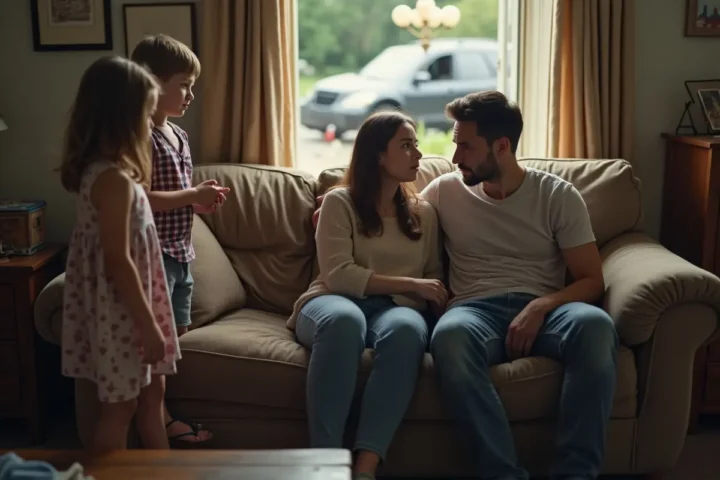
Children who witness a parent’s injury can develop anxiety or post-traumatic stress. Spouses take on caregiver roles they never prepared for. Siblings feel forgotten in the chaos. The emotional weight spreads through the entire household, and it often shows up quietly — in sleep problems, mood changes, and withdrawn behavior.
Counseling and mental health support are just as important as physical rehabilitation. Families that treat both tend to heal better together.
When the Breadwinner Can’t Work
One of the most immediate and painful realities after a serious crash is the loss of income. If the injured person is the primary earner in the household, families can find themselves in financial freefall within weeks.
Medical expenses pile up fast. Hospital stays, surgeries, physical therapy, prescription medications — none of it is cheap. Meanwhile, the mortgage still needs to be paid. The kids still need school supplies, groceries, and winter coats.
This financial strain is one of the leading causes of relationship stress after a car accident. Couples argue. Extended family gets pulled in. And the injured person often feels an overwhelming sense of guilt for the burden they believe they’ve placed on others — even though the accident wasn’t their fault.
Why Legal Help Matters More Than Most Families Realize
Most families don’t think about calling a lawyer right away. They’re busy managing hospital visits, fielding calls from insurance adjusters, and trying to hold everything together. But waiting too long can cost them dearly.
Insurance companies move quickly, and they don’t always have your family’s best interests at heart. According to The Finch Firm, Bridgeport Car Accident Attorneys, many families unknowingly accept settlements that fail to cover the full scope of their losses — including future medical care, ongoing therapy, lost earning capacity, and the emotional toll the accident has taken on the whole household.
A good attorney doesn’t just fight for a number. They help families understand the true cost of what they’ve been through — and what they’ll continue to face in the years ahead.
The Long Road of Physical Recovery
Serious car accident injuries — spinal damage, traumatic brain injuries, broken bones, internal trauma — don’t heal on a predictable schedule. Recovery is often nonlinear. There are good weeks and terrible setbacks. Plans get canceled. Milestones get missed.
Family members become drivers, nurses, and appointment schedulers. They rearrange work schedules and skip their own needs. This kind of caregiving, while done out of love, leads to burnout. Caregiver fatigue is real, and it quietly erodes the health of the people doing the caregiving.
Setting boundaries, asking for outside help, and accepting support from community resources isn’t a sign of weakness. It’s survival.
Children Feel It Too
Kids are perceptive. Even young children sense when something is wrong, even if they can’t name it. When a parent is injured, children often internalize the stress around them. They may act out at school, regress in behavior, or become unusually quiet and withdrawn.
Honest, age-appropriate conversations about what happened go a long way. Children don’t need every detail, but they do need reassurance that the adults in their lives are going to be okay — and that it’s safe to talk about how they’re feeling.
Moving Forward Doesn’t Mean Moving On
Healing after a car accident doesn’t mean pretending it didn’t happen. Families that do best are the ones who acknowledge the difficulty while still making room for recovery — physical, emotional, and financial.
Connecting with support groups, leaning on a trusted legal advocate, and being patient with the process all help. There’s no shortcut through grief and disruption, but there are better and worse ways to navigate it.
The crash may have been sudden. The recovery is a long, slow road — and no family should have to walk it alone.