
Permanent Bracelet Repair: What to Do When Yours Breaks
Permanent bracelets are designed to be worn every day. They do not have clasps. They are welded onto the wrist and meant to stay there. Because of that, many people assume they should never break.
In real life, that is not how it works.
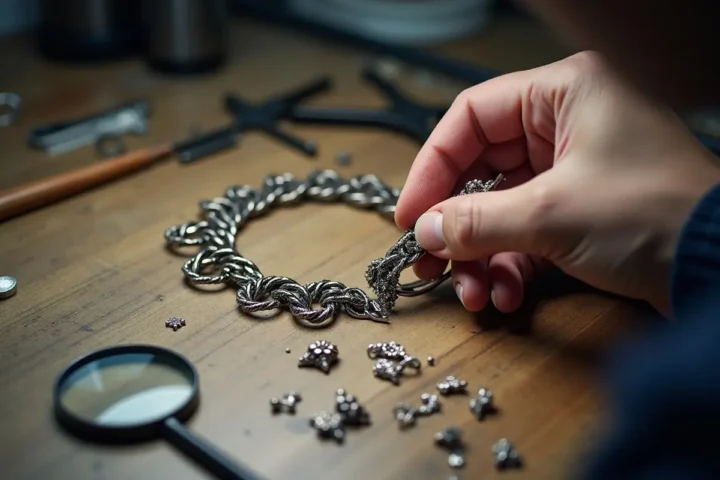
Bracelets are exposed to daily movement, pressure, and wear. Over time, even well-made chains can break. When that happens, most permanent bracelets can be repaired.
Knowing what to do next makes the situation much easier.
Why Permanent Bracelets Break
Permanent bracelets break for the same reasons other jewelry does. The wrist moves constantly. Sleeves pull on the chain. Bags catch. Repeated stress weakens certain links.
Most breaks happen at:
- A thin or stretched link
- A weld point
- A section that experiences frequent bending
This does not mean the bracelet was poorly made. It means it was worn as intended.
Is a Broken Permanent Bracelet Repairable?
In most cases, yes.
If the chain is intact and only separated at one point, the bracelet can usually be repaired without changing how it looks or fits. Clean breaks are the easiest to fix.
A bracelet may be repairable if:
- The chain did not snap into multiple pieces
- The metal is not severely bent or crushed
- The bracelet was saved after it broke
The sooner it is looked at, the better the result tends to be.
What Permanent Bracelet Repair Involves
Permanent bracelet repair focuses on restoring the original piece, not replacing it.
A proper permanent bracelet repair typically includes reconnecting the original chain and reinforcing the weak point so the bracelet can be worn again comfortably.
The goal is to:
- Maintain the original look
- Keep the original fit
- Ensure the bracelet feels secure on the wrist
When done correctly, the repair should not stand out or change the overall design.
Why Repairing Is Better Than Replacing
Replacing a permanent bracelet may seem easier, but it often feels different once it is done.
Repairing keeps:
- The original metal
- The original sizing
- The original meaning attached to the piece
Many people choose permanent bracelets to mark a moment or connection. Repair allows that same bracelet to continue being part of daily life instead of starting over.
How to Take Care of a Repaired Bracelet
After repair, the bracelet does not need special treatment. It is meant to be worn normally.
That said, a few habits can help extend its life:
- Avoid pulling the bracelet over tight sleeves
- Remove pressure when carrying heavy bags
- Check for looseness if it catches on something
These small adjustments help reduce stress on the chain without changing how you wear it.
When to Get a Bracelet Checked
If your bracelet feels loose, uneven, or thinner in one spot, it is worth having it looked at before it breaks.
Early checks can prevent full separation and make repairs easier.
Warning signs include:
- Visible stretching in one section
- Sharp edges where the chain connects
- Frequent catching on clothing
Addressing these early can save time and preserve the bracelet.
Wearing It Again With Confidence
Once repaired, a permanent bracelet should feel familiar again. It should sit naturally on the wrist and move with daily activity.
You do not need to baby it. You just need to wear it the way it was designed to be worn.
Many people find that after repair, they appreciate the bracelet more. It becomes something they chose to maintain rather than replace.
The Takeaway
Permanent bracelets are meant for real life. That includes wear, movement, and occasional breaks.
A broken bracelet does not mean the piece is lost. In most cases, it can be repaired and worn again without losing its look or meaning.
Repair keeps what matters intact. It allows the bracelet to continue being part of everyday life, which is what permanent jewelry is for in the first place.